
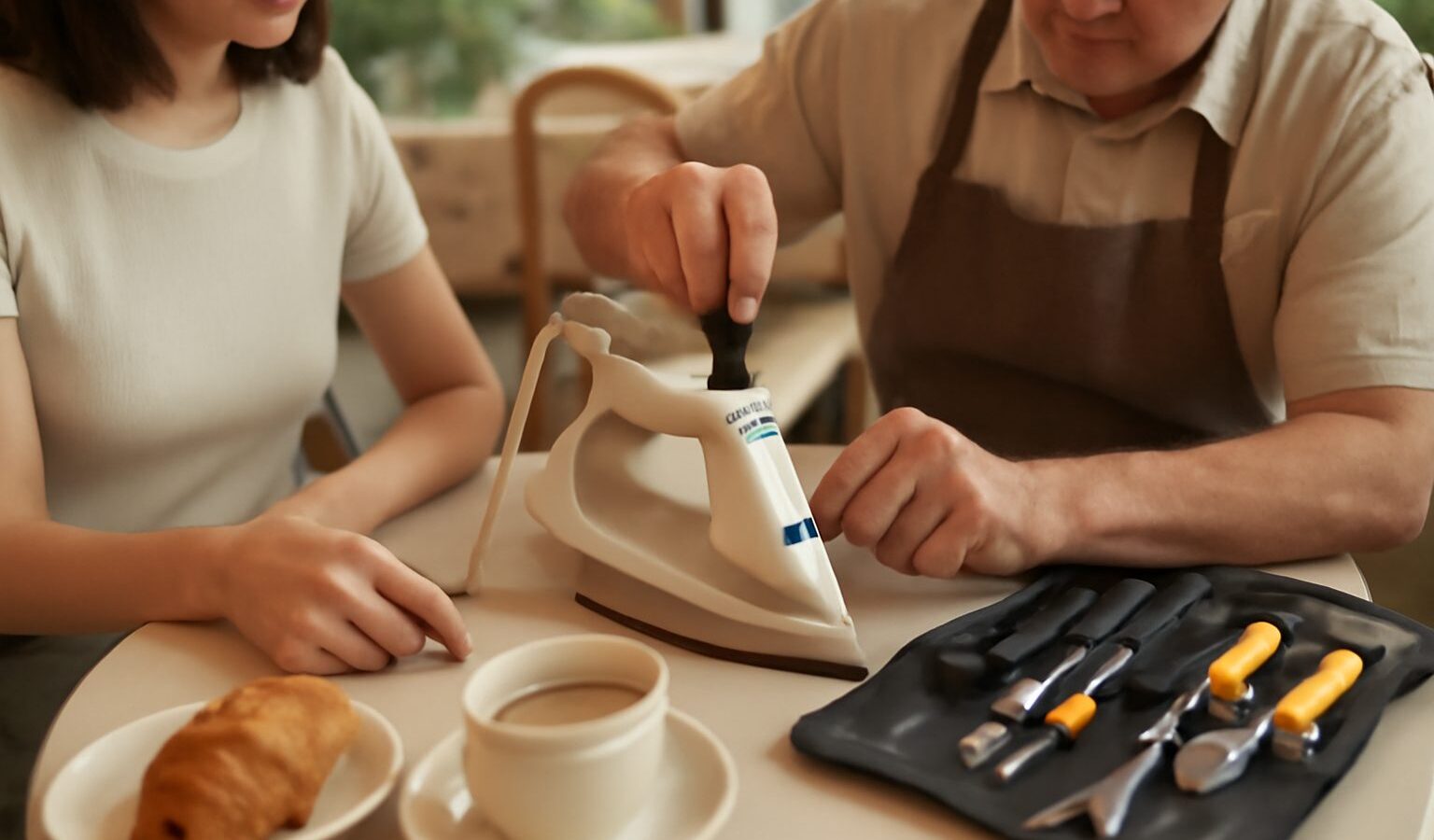
Before you throw out a wobbly desk fan or a bag with a broken zip, it is worth asking whether it can simply be fixed. A repair cafe singapore residents can visit is one part of a wider fix-it culture that includes cobblers, tailors, watch counters and neighbourhood handymen, all of whom keep things out of the rubbish chute for a fraction of the cost of buying new. Repairing is one of the greenest habits going, because the most sustainable product is almost always the one you already own. This guide explains what community repair events do, what everyday services can mend, and how to tell the difference between a safe do-it-yourself fix and a job for a licensed professional.
What a Community Repair Event Actually Is
A community repair event is a gathering, often held at a community centre, library or void deck space, where volunteers with practical skills help residents mend their own belongings for free or for a small donation. These are sometimes run in a kopitiam-style setting, informal, friendly and open to anyone who turns up with a broken item and a bit of patience. Similar community repair movements exist all over the world, and the idea has taken root here through grassroots groups, town councils, schools and green organisations who host them from time to time.
The point is not just the repair itself. It is learning. A volunteer will usually sit with you, open up the item together, explain what went wrong, and show you how to spot the same fault next time. You leave with a working object and a little more confidence. Common items that get a new lease of life include lamps with loose connections, toys, bicycles, small kitchen gadgets, clothing, and bags. Because these events come and go, the best way to find one is to keep an eye on your community centre noticeboard, your town council updates, library programmes and local sustainability groups on social media.
What Everyday Repair Services Can Fix
Beyond the occasional community event, Singapore still has a quiet network of everyday repair trades tucked into heartland malls, wet market blocks and older shopping centres. These are the people who can mend the things we too often throw away. You do not need a special event to use them, and supporting them keeps valuable skills alive in the neighbourhood.
- Cobblers can resole shoes, replace worn heels, restitch soles and repair leather bags and belts.
- Tailors and alteration shops take in loose waistbands, fix zips, patch tears and hem trousers.
- Watch and clock counters replace batteries, straps and glass, and service mechanical movements.
- Locksmiths and key cutters handle locks, keys and small metal fittings.
- Mobile phone and laptop shops swap cracked screens, tired batteries and faulty charging ports.
- Bicycle shops true buckled wheels, replace brake pads and sort out gears and punctures.
A quick chat before you commit is always worth it. Ask for a rough idea of cost and how long the job will take, and weigh that against the price and hassle of replacing the item. Many small repairs cost far less than a new purchase, and they spare you the trip to buy, unbox and dispose of packaging all over again.
Repair or Replace: How to Decide
Not everything is worth mending, and pretending otherwise helps no one. The trick is to weigh cost, safety and how much life the item has left. The table below offers a simple way to think it through before you decide.
| Situation | Lean towards repair | Lean towards replace |
|---|---|---|
| Cost of fix | Well below the price of a new one | Close to or above buying new |
| Item age and quality | Well made, sentimental or barely used | Cheap, worn out or long past its prime |
| Safety | Simple mechanical or cosmetic fault | Electrical, gas or structural fault |
| Spare parts | Easy to source locally | Discontinued or impossible to find |
If a repair costs almost as much as a replacement and the item was never great to begin with, letting it go is a reasonable call. But if you are looking at a well made appliance, a quality pair of shoes or something with sentimental value, a fix nearly always wins on both cost and carbon. When you do replace, remember that recycling the old item properly, through e-waste points for electronics or a second-hand channel for anything still usable, keeps the loop as green as possible.
Safety First: When to Call a Licensed Professional
This is the part to take seriously. Community repair events and home tinkering are wonderful for mechanical, textile and cosmetic fixes, but some jobs are not safe to attempt yourself. Anything involving mains electricity, gas or water connections should go to a licensed professional, full stop. In Singapore, electrical work on your fixed wiring and gas work must be carried out by properly licensed workers, and attempting it yourself risks fire, electrocution, gas leaks and voided insurance.
A useful line to draw is this. If a repair means unplugging a lamp and tightening a visible screw, that is generally fine. If it means opening up mains wiring, meddling with a gas hob connection, or working inside a water heater, stop and get a professional. The same caution applies to anything with a large capacitor, such as a microwave, which can hold a dangerous charge even when unplugged. When in doubt, leave it to someone qualified. Saving the planet never means putting your household at risk.
How to Start Fixing More Things
You do not need to become a handyman overnight. Start with the easy wins. Build a tiny repair kit at home with a screwdriver set, a needle and thread, some fabric glue and a roll of tape, and you will be surprised how many small problems you can solve in ten minutes. Keep a mending pile rather than binning things on the spot, so a torn hem or a loose button waits for a quiet evening instead of the rubbish chute.
For anything beyond your comfort, note down where your nearest cobbler, tailor and phone repair shop are before you need them, and keep an eye out for the next community repair event near you. Each thing you mend is one less item burned at Semakau and a small, satisfying win for the Singapore Green Plan spirit of using resources wisely. No one gets it right every time, and that is fine. The goal is simply to reach for a fix before you reach for a replacement.
Explore more
Mending sits alongside plenty of other easy habits worth trying. If you enjoy making things last, see our guide on how to make your clothes last longer, and for creative reuse of broken or dated items, try easy upcycling projects for the home. When a device really is beyond saving, buying refurbished electronics is a greener next step than buying brand new.