
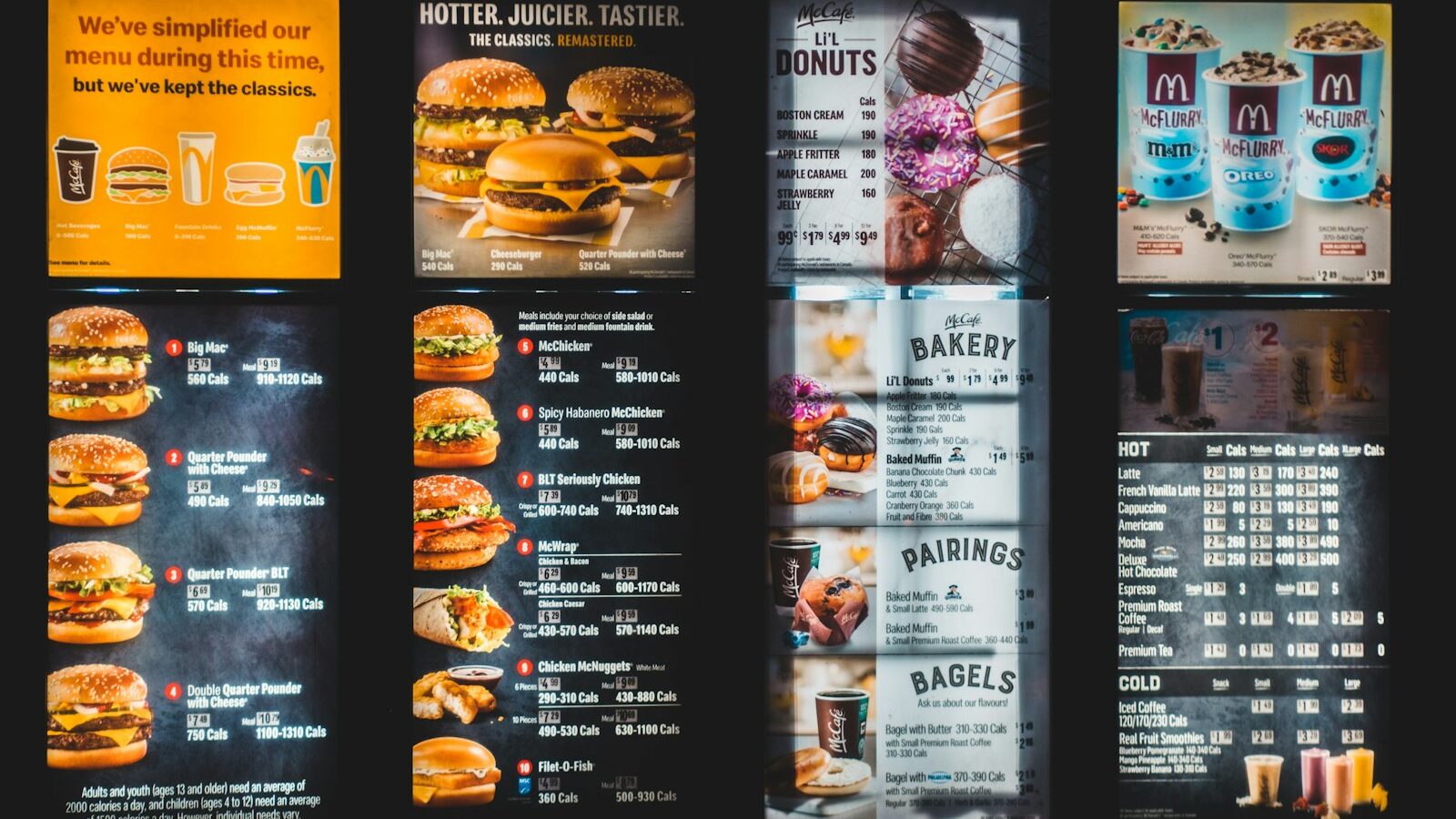
Restaurant digital signage singapore operators are adopting for one simple reason: it turns a static, printed menu into a living operational tool. A digital menu board lets you change a price, swap a dish or launch a promotion in seconds, across one outlet or fifty. For any F&B business juggling tight margins, staff shortages and fast-moving costs, that flexibility is no longer a luxury. This guide explains how digital menu boards enhance day-to-day operations, what to look for in the design, and how to roll out F&B digital signage sensibly for hawker-adjacent stalls, QSR chains, cafes and full-service restaurants alike.
Why Digital Menu Boards Beat Printed Menus
Printed menus and light boxes look tidy on opening day. The trouble starts the moment anything changes. A supplier raises the price of chicken, GST is revised, or a supplier stops carrying an ingredient, and suddenly your printed collateral is wrong. Reprinting means design fees, printing lead times and a member of staff standing on a stool with a screwdriver.
A digital menu board singapore outlets install removes that friction entirely. Key advantages include:
- Instant price and menu updates. Adjust a single item or push a full menu refresh across every screen from one dashboard. When GST or service charge changes, you update once and every outlet reflects it the same day.
- No recurring print costs. Over a year, the savings on reprinting seasonal menus, promo posters and price stickers often cover the hardware.
- Multi-outlet consistency. A central template ensures your Orchard, Jurong and Tampines branches all show the same pricing, branding and imagery, with no rogue laminated sheets.
- Richer presentation. Motion, appetising photography and short video make dishes look better than any printed panel, which lifts perceived value and average spend.
A menu board that can be edited from a laptop is not just a display. It is a pricing lever, a marketing channel and a compliance tool rolled into one screen.
Operational Wins for F&B Businesses
The strongest case for restaurant digital signage is what it does behind the counter, not just in front of it.
Dayparting for breakfast, lunch and dinner
One screen can be three menus. Schedule your kaya toast and kopi set to show from opening, switch automatically to the lunch bento and set meals at 11am, then move to the a la carte dinner menu in the evening. Dayparting means staff never manually flip boards, and customers only ever see what the kitchen is actually serving. Late-night and supper menus can trigger on their own timer too.
Promoting high-margin items
Not every dish earns you the same profit. Digital menu boards let you give prime screen real estate to the items you most want to sell: the signature bowl, the add-on side, the drink upsize, the bundled combo. Rotate a featured strip or animate a “Chef’s Pick” badge to nudge attention toward the dishes that protect your margin, and quietly de-emphasise the loss leaders.
Kitchen and POS integration
The real efficiency gains come when your screens talk to the rest of your systems. Integrate with your POS so that an item marked “sold out” at the till disappears or greys out on the menu board immediately, ending the frustration of customers ordering what the kitchen ran out of an hour ago. Order-ready screens near the collection point display ticket numbers pulled straight from the kitchen display system, cutting down on staff shouting numbers across a busy floor.
Faster queues with paired kiosks
Pairing menu boards with self-order kiosks is where QSR menu display and throughput meet. While customers browse and pay at the kiosk, overhead screens reinforce promotions and set expectations, so the queue moves faster and order values tend to rise. If you are weighing up kiosks, our guide on how to select the best digital kiosk covers sizing, placement and payment considerations for Singapore venues.
Designing Menu Boards for Readability
Great content fails if diners cannot read it from the queue. A few principles keep your F&B digital signage clear and effective.
Prioritise contrast and hierarchy
Use high contrast between text and background, and keep body text large enough to read from three to four metres away. Establish a clear hierarchy: category headers, dish names, then price. Resist the urge to cram. White space is not wasted space, it is what makes a busy menu scannable in the few seconds a customer has before they reach the counter.
Limit motion and colours
Subtle motion draws the eye, but constant animation makes a board tiring and hard to read. Animate one featured area, not the whole screen. Keep to a disciplined colour palette that matches your brand, and reserve a bright accent colour for the items or promotions you want to stand out.
Layout tips that work in Singapore venues
- Group items logically: sets, mains, sides, drinks, desserts.
- Show prices consistently and state clearly whether they are nett or subject to GST and service charge.
- Keep dish photography accurate. Over-styled images invite complaints when the plate arrives.
- Design for the actual viewing distance and screen orientation, whether that is a landscape run above the counter or a portrait screen beside a hawker-adjacent stall.
Rolling Out Digital Signage Across Restaurant Formats
A single cafe and a twenty-outlet QSR chain need very different rollouts. Match the approach to your format.
Hawker-adjacent stalls and kiosks. A single bright portrait screen often replaces a cluttered light box. Choose commercial-grade panels rated for long daily operating hours and the heat of a non-air-conditioned setting.
Cafes and single restaurants. Two or three screens above the counter usually suffice. Prioritise easy self-editing so an owner or manager can change specials without calling a technician.
QSR and multi-outlet chains. Centralised content management is essential. You want to build once and deploy everywhere, with role-based access so head office controls pricing while local managers handle only approved promotions. Reliable networking and remote monitoring keep screens live and alert you before a blank display costs you sales.
Whatever your format, the hardware and software you choose determine how painless the next five years will be. Commercial displays, a dependable media player and a content platform built for scheduling all matter. Our guide to choosing the right digital signage supplier in Singapore walks through the questions to ask before you commit, and if your concept spills onto the street or a shopfront, outdoor digital signage covers the brightness and weatherproofing you will need there.
A sensible rollout sequence
- Pilot in one representative outlet and measure the impact on speed and upsell.
- Finalise templates, dayparting schedules and your approval workflow.
- Integrate with POS and kitchen systems before scaling.
- Roll out in batches, train staff on the dashboard, and set a content calendar so screens never go stale.
Done well, restaurant digital signage in Singapore pays back in reduced printing, quicker service, stronger upsell and the confidence that every outlet shows the right price at the right time. Start small, prove the value in one location, and scale from there.
Explore more: