
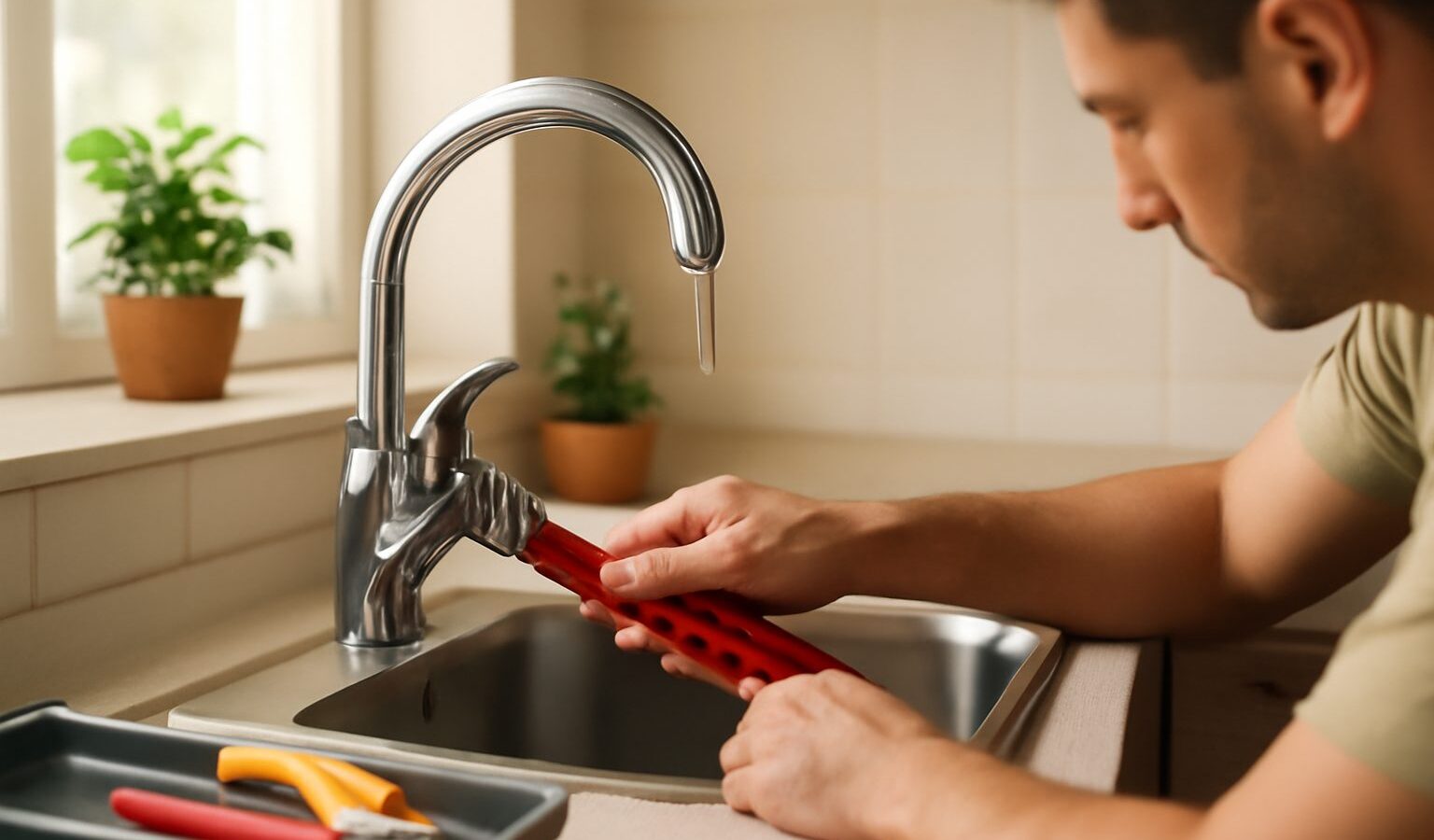
Fixing leaks Singapore homes quietly develop is one of the fastest ways to cut your water bill and waste less, and most of the wins are small jobs anyone can spot. A tap that drips overnight, a toilet that hisses long after you flush, or a damp patch under the sink all send clean, treated water straight down the drain while you pay for every drop. The encouraging part is that many leaks are easy to find once you know where to look, and plenty are a quick fix with basic tools. This guide walks through catching leaks early, sorting the do it yourself jobs from the call a plumber jobs, and building water saving habits that stick in an HDB flat or condo.
Why a Small Drip Is a Big Deal
A single dripping tap looks harmless, yet it runs day and night without stopping. Multiply one slow drip by weeks and it quietly fills buckets you never see, all of it water you have already paid to have cleaned and piped to your home. A running toilet is worse, because a worn flush valve can let water trickle continuously into the bowl, often silently, so the first sign is a bill that creeps up for no obvious reason.
Beyond the cost, leaks in our humid climate invite problems you really do not want. Persistent damp under a sink or behind a wall encourages mould, warps cabinetry and can seep into a neighbour’s unit below, which turns a small repair into an awkward and expensive dispute. PUB actively encourages households to conserve water and to fix leaks promptly as part of keeping Singapore’s supply resilient, and every leak you close is a small contribution to that shared goal. Getting on top of drips early is cheaper, tidier and kinder to the whole block.
Finding Hidden Leaks Before They Cost You
You do not need special equipment to hunt for leaks, just a little attention. Start with a simple whole home check that PUB style water audits rely on:
- Turn off every tap and water using appliance, then look at your water meter. If the dial or digits keep moving, water is flowing somewhere it should not be.
- Listen in a quiet flat at night for hissing or trickling near toilets and pipes, which is often the only clue to a silent leak.
- Do the toilet dye test: put a little food colouring in the cistern, wait fifteen minutes without flushing, and if colour appears in the bowl, the flush valve is leaking.
- Feel under sinks and around the base of the toilet and water heater for damp, and watch for warped wood, peeling paint or a musty smell.
- Check visible pipe joints, the washing machine hose, and the flexible connectors under taps, since these age and loosen over time.
Do this sweep every few months and after you return from a long trip. Catching a leak in its first week rather than its third month is the difference between wiping up a drip and repainting a cabinet.
The Usual Suspects and Their Simple Fixes
Most household leaks come from a short list of familiar culprits, and knowing what you are looking at makes the fix far less daunting.
| Leak source | Likely cause | Typical first fix |
|---|---|---|
| Dripping tap | Worn washer or cartridge inside the tap | Replace the washer or cartridge, or tighten the fitting |
| Running toilet | Worn flush valve or flapper in the cistern | Swap the flush valve or adjust the float and fill level |
| Under sink damp | Loose flexible hose or connector nut | Hand tighten the nut, or replace the flexible hose |
| Damp behind wall | Concealed pipe joint failing | Stop use and call a licensed plumber promptly |
Notice how the first three are usually cheap parts and a few minutes of work, while the last belongs to a professional. Matching the symptom to the cause before you start saves you from opening the wrong thing.
When to Fix It Yourself and When to Call a Plumber
Plenty of leaks are genuinely beginner friendly. Replacing a tap washer, swapping a toilet flush valve, tightening a flexible hose or changing a worn connector are all within reach with a spanner, a screwdriver and a short video for reference. Turn off the supply at the isolation valve first, keep the old part to match the replacement, and do not over tighten, since forcing a fitting can crack it.
Some jobs, though, are firmly a plumber’s territory, and there is no shame in dialling for help. Call a licensed plumber when a pipe leaks inside a wall or ceiling, when water seeps toward a neighbour’s unit, when you cannot find the source, or when a repair involves your main supply pipe. In Singapore, work on your water service and certain fittings should be done properly and in line with PUB requirements, so a licensed water service plumber is the safe choice for anything structural or concealed. If water is actively flooding, shut off your unit’s main stopcock first, then make the call. Knowing your own limits is part of doing this well, not a failure.
Everyday Habits That Save Water
Fixing leaks pairs naturally with using less in the first place, and small routines add up across a household:
- Turn off the tap while brushing teeth, soaping hands or scrubbing dishes, and only run it to rinse.
- Take shorter showers and consider a water efficient shower head, checking the water efficiency labels when you buy fittings.
- Run the washing machine and dishwasher only with full loads to make every cycle count.
- Fix that dripping tap the same week you notice it rather than living with the sound.
- Catch the cold water while waiting for the shower to warm and reuse it on plants or for mopping.
PUB’s water conservation guidance leans on exactly these everyday choices, and they cost nothing but a moment of attention. None of it requires you to feel guilty in the shower. It is simply about not letting clean water run away for no reason.
How to Start This Week
Pick the quickest win first. Do the meter check and the toilet dye test this weekend, since together they take under twenty minutes and reveal most hidden leaks. If you find a dripping tap, buy a matching washer and change it, and if the toilet is running, look at the flush valve next. Anything behind a wall, near the main pipe or heading toward a neighbour is your cue to call a licensed plumber rather than push on. Fix one leak, build one saving habit, and let it grow from there. Every drip you stop is money kept and water spared, and that is a small win worth celebrating in a city that never takes its water for granted.
Explore more
Once your taps are tight, keep the momentum going with reusing rainwater and greywater at home for a safe second life for water. To trim utility bills further, see cutting your water heater energy use, and run a simple home energy audit to catch waste across your whole flat.
Related across Sky Media: Saving Water at Home in Singapore · Tap Water Singapore: The Home Essentials Every Newcomer Asks About