
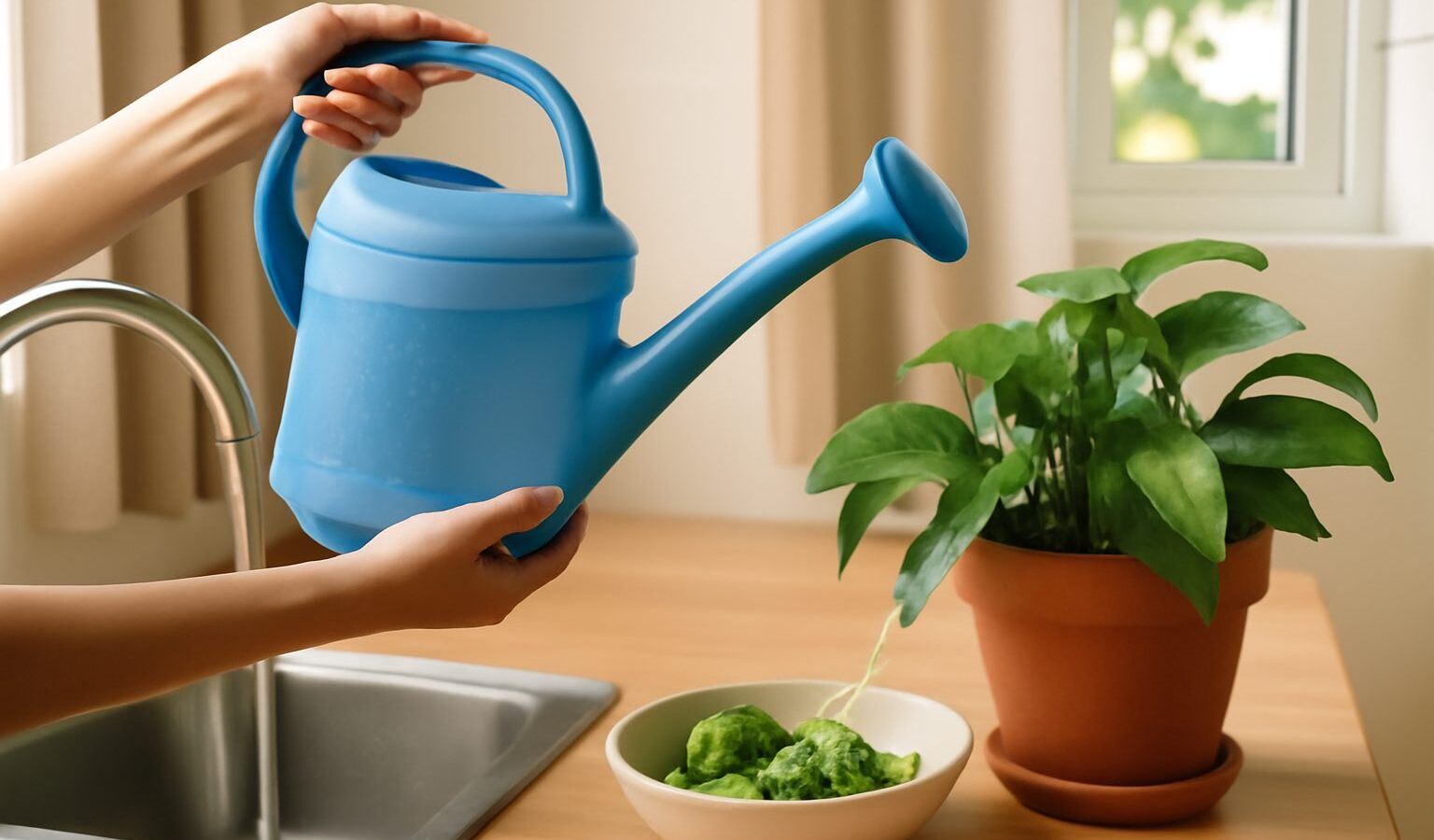
Greywater reuse Singapore style is really about small, sensible habits rather than big engineering projects. Greywater is the gently used water from your rinsing, laundry and showers, while rainwater is the free supply that falls on our island almost every other day. Both can do a second job around the home, such as watering plants or flushing away a mess, before they head down the drain. The catch is that our flats are compact, our rules are strict, and our warm climate means any water left standing can breed mosquitoes fast. This guide keeps things safe and realistic, showing what you can reuse, what you should never do, and how to start without touching your plumbing.
What Counts as Greywater and Rainwater
Greywater is lightly soiled water from everyday tasks: the bowl of water you rinsed vegetables in, the last clear rinse from hand washed laundry, or water caught while you wait for the shower to warm up. It is not water from the toilet, and it is not water heavy with grease, bleach or strong cleaning chemicals. Those belong down the drain. Rainwater is simply what you collect when it pours, usually from a balcony, a service yard or a shared open area, caught in a covered container.
Neither type is meant for drinking, cooking or washing your body. Treat both as a bonus supply for non contact, non potable jobs. The most common and safe uses are watering ornamental plants, mopping floors, rinsing a dirty balcony, or pouring into the toilet cistern for a manual flush. Keeping your expectations modest is what makes this both safe and easy, and it still trims your monthly water use in a meaningful way.
The Rules That Matter in an HDB Flat
This is the part to get right before anything else. In Singapore, you must never connect any rainwater or greywater collection to your potable water supply, taps or pipes. Cross connecting reused water with the clean drinking supply is a serious contamination risk and is not allowed. Any change to your flat’s plumbing is governed by PUB regulations and, for HDB blocks, your town council also has a say over shared areas, external walls, ledges and the common drainage that carries away roof and surface run off.
In practice this means you should keep everything simple and detached from fixed pipework. A free standing bucket, basin or covered container that you fill and empty by hand is fine and needs no approval. Rigging up gutters, tanks or pumps that tie into building drainage or plumbing is a different matter entirely, and you should defer to PUB and your town council first, because rules change and they know your block. Never divert water across a parapet or balcony edge where it could fall on people or units below. When in doubt, ask before you build.
Safe Ways to Catch and Reuse Water
You can get most of the benefit with nothing more than a couple of containers and a routine. Here are practical, flat friendly ideas:
- Keep a basin in the sink to catch vegetable and fruit rinsing water, then tip it onto your plants.
- Place a bucket in the shower to collect the cold water that runs while you wait for it to heat up.
- Save the final clear rinse from hand washed laundry for mopping or flushing, but skip water full of detergent or bleach.
- Put a covered pail on the service yard or balcony during heavy rain to gather rainwater for your plants.
- Use collected water the same day where you can, so it does not sit long enough to turn stale or smelly.
A few safety habits keep this pleasant rather than problematic. Always use greywater on the soil around plants, not on the leaves or edible parts you will eat. Do not store greywater overnight, because in our heat it quickly develops odour and bacteria. Label any container clearly so no one mistakes it for clean water, and keep everything well away from children and pets. Wash your hands after handling it, and never use greywater to clean kitchen surfaces or anything that touches food.
Choosing the Right Water for the Job
Not all reused water suits every task. This quick comparison helps you match the source to a safe use around the home.
| Water source | Good reuse | Avoid using it for |
|---|---|---|
| Rainwater (covered container) | Watering plants, rinsing the balcony, topping up mop water | Drinking, cooking, washing your body or dishes |
| Vegetable or fruit rinse water | Watering soil around plants, general mopping | Anything touching food you will eat raw |
| Final clear laundry rinse | Flushing the toilet by hand, mopping hard floors | Plants if it still contains detergent or bleach |
| Shower warm up water (clean) | Almost any non drinking job, including plants | Drinking, since it is not treated to potable standard |
Use this as a rough guide, not a rulebook. The safest reuses are always the ones with no skin contact and no contact with food, which is why watering ornamental plants and flushing are the everyday favourites.
Keeping Mosquitoes and Dengue at Bay
In a tropical city, standing water is the single biggest risk of reusing it, because the Aedes mosquito that spreads dengue breeds in stagnant pools. This is not a reason to give up, just a reason to be tidy. The golden rule is to never leave collected water standing. Use it the same day, and if you cannot, pour it out rather than let it sit.
Follow NEA’s advice on preventing mosquito breeding as your baseline. Keep every container tightly covered when it is not in active use, turn empty pails upside down so they cannot fill during a passing shower, and check saucers under potted plants, which are a classic breeding spot people forget. Scrub the sides of any container weekly, since eggs can cling above the water line. During the wetter months, do a quick weekly sweep of your balcony and service yard for any hidden pools. These habits take minutes and protect your whole block, not just your home.
How to Start This Weekend
Begin with one container and one habit. Put a basin in your sink this week and use that rinse water on your plants, and you will already be reusing water with zero cost and zero risk. Once that feels natural, add a shower bucket for warm up water. Keep everything hand filled and detached from your plumbing, cover or invert containers between uses, and never treat any of it as drinking water. Remember that none of this needs to be perfect to count. A few litres saved each day adds up over a year, and doing it the safe, tidy Singapore way means you help the wider water story without inviting a single mosquito indoors.
Explore more
Saving water at home works best alongside your other utilities, so read our guide on fixing leaks and saving water at home to stop waste at the source. If you want to trim bills further, see cutting your water heater energy use, and start with a simple home energy audit to spot easy wins across your flat.