
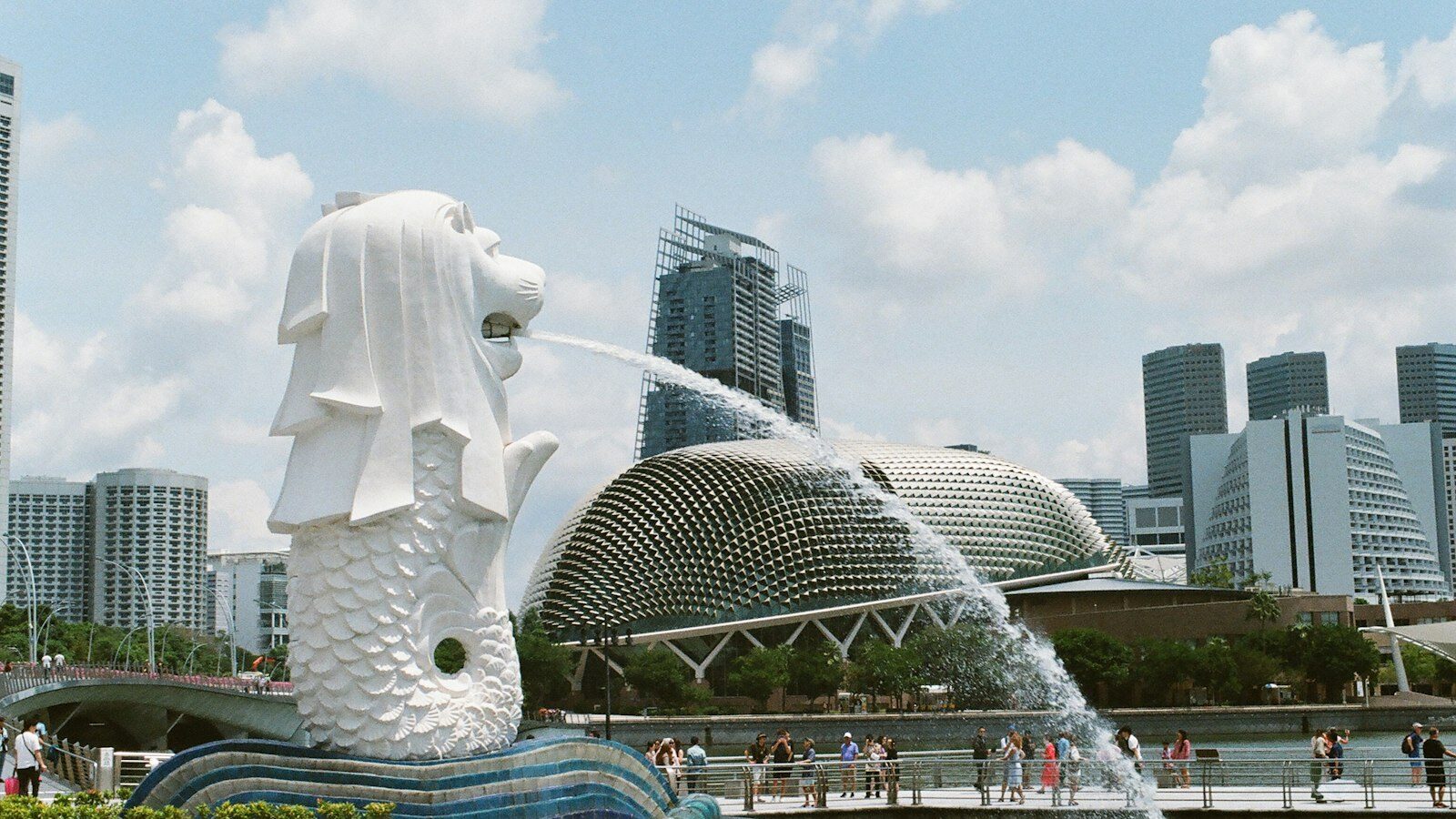
Few cities make it as easy for visitors to move about as this one. Getting around Singapore as a tourist means you can hop between hawker centres, gardens, museums and shopping streets without ever renting a car or puzzling over parking. The island is compact, the trains are clean and frequent, and buses reach the corners the rail lines miss. This guide walks you through the main ways to travel, from the moment you land at Changi to the late-evening stroll back to your hotel, so you can plan trips that fit your budget and your pace.
From Changi Airport to Your Hotel
Your journey usually begins the moment you clear the airport. Changi is well connected, and you have several sensible ways into the city. The MRT runs from the airport and links into the wider rail network, which is the friendliest option on the wallet if you are travelling light. Taxis and ride-hailing wait at clearly marked pickup points and make sense when you have heavy luggage, young children or a very early arrival. Airport shuttle services and hotel transfers are worth asking about when you book your room.
Fares and any surcharges are set by the operators and by the authorities, and they do change, so confirm the current cost through official channels such as the LTA, TransitLink or the ride-hailing app before you set off. Whatever you choose, allow a little extra time on your first trip while you get your bearings.
The MRT and Bus Network
The Mass Rapid Transit system, or MRT, is the backbone of getting around. Trains are air-conditioned, signposted in clear English, and stop near most major attractions. Stations show colour-coded lines and easy-to-follow maps, and platforms have screens counting down to the next train. For a first-time visitor, the MRT is often the least stressful way to cross the island quickly.
Buses fill in the gaps and reward the curious traveller, since you get to watch the neighbourhoods roll past. The network is dense, and services are frequent along the main corridors. Route apps make bus travel far less daunting by showing you which service to board and when it is due. If you are unsure, station staff and fellow commuters are generally happy to point you the right way.
A few habits make public transport smoother for everyone:
- Keep to the left on escalators so others can pass on the right.
- Let passengers off before you board.
- Offer priority seats to those who need them more.
- Eating and drinking are not allowed on trains and buses, so finish your kopi before you tap in.
Taxis and Ride-Hailing
When you want door-to-door convenience, taxis and ride-hailing apps are your friends. Licensed taxis can be flagged down, picked up at ranks outside malls and hotels, or booked through an app. Ride-hailing apps show you an upfront estimate before you confirm, which many visitors find reassuring. Both are handy late at night, when you are carrying shopping, or when the heat and humidity make a short walk feel longer than it is.
Costs vary with distance, time of day and demand, and any surcharges are set by the operators, so let the meter or the app do the maths rather than relying on a fixed figure. Have your destination written down or pinned on a map, since a clear address helps your driver take the best route.
Ride-hailing shines during a downpour or in the small hours, when trains have stopped and you would rather not wait for a bus. If you are travelling as a group, splitting one car can work out sensibly, and you skip the walk to the nearest station. For a solo hop across town in the middle of the day, though, the MRT usually gets you there faster and cheaper, so weigh convenience against cost each time rather than defaulting to one habit.
Tourist Passes and Paying Your Way
You have a few tidy ways to pay as you travel. Contactless payment through the SimplyGo system lets you tap a bank card or phone straight onto the reader on trains and buses. Stored-value travel cards are another option, and visitor-focused travel passes are designed for shorter stays. The right choice depends on how long you are here and how much you plan to move around.
The table below compares the main travel options at a glance. Fares, pass prices and validity are set by TransitLink, SimplyGo and the LTA and can change, so always check the current details on their official channels before you buy.
| Option | Best for | Pace | How you pay |
|---|---|---|---|
| MRT | Crossing the island fast | Quick and predictable | Tap card, phone or a travel pass |
| Public bus | Scenic, local routes | Relaxed, street-level | Tap card, phone or a travel pass |
| Taxi or ride-hailing | Luggage, late nights, groups | Direct, door to door | Meter fare or in-app payment |
| Walking | Short hops between sights | Slow and immersive | Free |
If you are unsure which pass suits you, ask at a passenger service centre in any MRT station. Staff can explain the current options for a visitor without you having to guess.
Walking, Cycling and Slow Travel
Some of the best moments come on foot. Many districts sit close together, and sheltered walkways, park connectors and pedestrian bridges make short journeys pleasant even in a passing shower. Wandering between a temple, a market and a riverside cafe often beats hopping on a train for a two-stop trip.
Cycling and shared mobility options add another gear for those who like fresh air. Stick to designated paths, ride courteously, and keep to the rules of the road and the shared-space signs. Whatever the mode, carry water, wear light clothing and plan the hottest part of the day around an indoor stop or a slow lunch. Getting around Singapore as a tourist works best when you mix and match, letting the train do the heavy lifting and your feet do the discovering.
Explore more
Plan the practical bits of your trip with these companion guides. Start with getting to and from Changi Airport for a smooth arrival, sort out fares with concession cards and travel passes, and travel like a local by reading up on MRT and bus etiquette.
Related across Sky Media: Getting Around as a Newcomer · Getting Around Singapore with Elderly Parents