
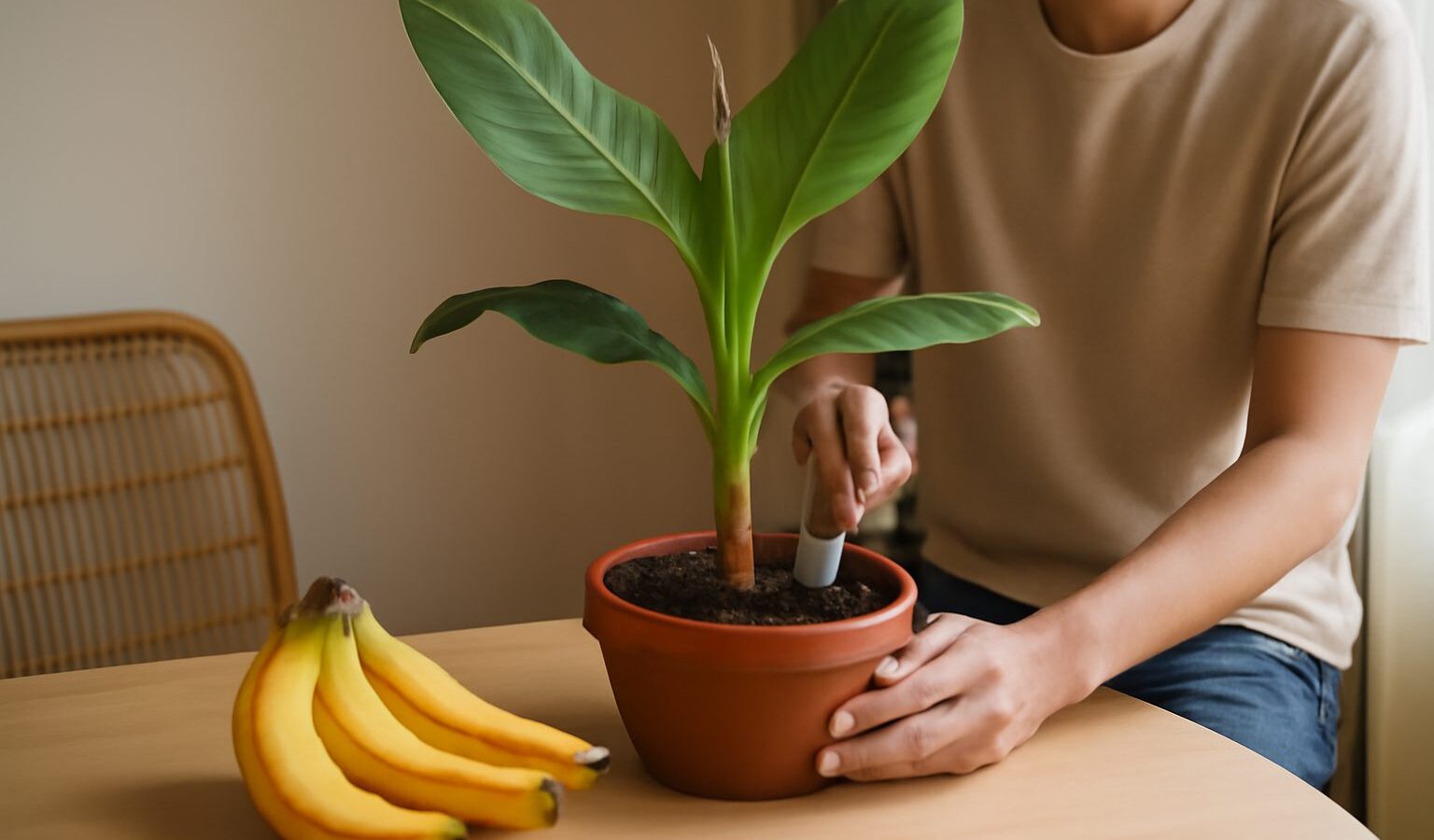
There is something deeply satisfying about cutting your own bunch of pisang from a plant you raised. Growing bananas suits Singapore’s climate beautifully, since the plant is a true tropical giant that thrives on year round heat, humidity and heavy rain. The honest catch is size and time. A banana is not a pot plant for a narrow balcony; it is a big, thirsty, hungry plant that needs ground, strong sun and the better part of a year before it flowers. This guide sets realistic expectations and shows you how to grow one well if you have the room.
Treat this as general information for home gardeners rather than professional horticultural advice.
Do You Have the Space and Sun
Before anything else, look honestly at your space. A banana plant is technically a giant herb, not a tree, with a soft trunk of tightly wrapped leaf bases. Even so called dwarf types reach around two metres, and full sized ones tower well above that. Each plant also spreads by suckers into a clump, so it wants a footprint, not just a pot.
Bananas are realistic in these settings:
- A landed garden with a sunny, sheltered corner and deep, rich soil.
- A community or allotment plot, where the space and sun exist.
- A very large container, at least 50cm deep and wide, on a bright terrace or rooftop, accepting that a potted banana stays smaller, needs constant watering and may never fruit.
On a standard HDB balcony a banana simply will not have the light or root space to fruit, and the leaves shred in the wind. If your space is small, a compact edible such as limes in pots or long beans will reward you far sooner.
Planting and the Role of Suckers
Bananas are almost always grown from a sucker, a young side shoot taken from an established clump, rather than from seed, since edible bananas produce no viable seed. A gardening friend, a community plot or a nursery can often supply a healthy sucker. Choose a sturdy sword sucker with narrow, pointed leaves rather than a weak, broad leaved one.
Plant it into deep soil enriched generously with compost and well rotted organic matter, in the sunniest, most sheltered spot you have. Bananas need at least six hours of direct sun to fruit. Shelter matters because their large leaves tear easily in strong gusts, and our sudden monsoon squalls can shred an exposed plant, which reduces its vigour.
Space clumps well apart, because one plant quickly becomes several as suckers emerge around the base. Managing those suckers is central to good banana growing.
Watering, Feeding and Managing the Clump
Bananas are among the thirstiest and hungriest plants you can grow. A big leaf area loses a lot of water in our sun, so the soil should stay consistently moist but never waterlogged. In a container this can mean watering every day. Mulch heavily around the base to hold moisture and feed the soil.
Feed often and generously. Bananas are heavy feeders, especially of potassium, and respond to regular compost and a balanced fertiliser applied according to the label. Poor feeding gives small, disappointing bunches.
Manage the clump with a simple rule many local growers follow. Let each mat carry only one fruiting plant, one well grown follower and one small sucker at a time, and cut off the rest at ground level. This channels energy into fruiting rather than a crowded thicket. Because a trunk fruits only once and then dies, you cut it down after harvest and let the next follower take over.
Keep water from stagnating anywhere nearby. Leaf bases, old cut stems and saucers can all hold water, and stagnant water breeds Aedes mosquitoes and dengue. Tip it out, and follow NEA guidance and the Mozzie Wipeout habits.
Flowering, Pests and the Long Wait
After many months of growth, a large purple flower bud emerges on a stalk from the centre of the trunk and bends downward. Rows of small bananas, called hands, form behind the peeling bracts. Edible local bananas set fruit without pollination, so you do not need to hand pollinate them, unlike many of the fruits in our hand pollinating guide. Once the hands have formed, you can cut off the remaining dangling male bud to direct energy into the fruit.
Watch for these common problems:
- Wind damage shreds leaves and can topple a fruiting plant; stake a heavy bunch and shelter the clump.
- Banana aphids spread bunchy top virus, which stunts and distorts growth; remove and dispose of infected plants.
- Weevils and nematodes attack the base and roots in old, tired clumps; start fresh with clean suckers if a mat declines.
- Birds, squirrels and rats raid ripening fruit; bagging the bunch in a breathable sleeve helps.
A Realistic Timeline
| Stage | Rough timing here | Your job |
|---|---|---|
| Sucker to established plant | First few months | Water, feed, mulch heavily |
| Flower bud appears | Often around 9 to 12 months | Support the stalk, protect from wind |
| Bunch fills out | 2 to 3 months after flowering | Bag the bunch, keep feeding |
| Harvest | When fruit is plump and rounded | Cut whole bunch, ripen indoors |
Harvest and Honest Expectations
Cut the whole bunch while the fruit is still green but plump and well rounded, before it splits or the birds get it, and ripen it hanging in a shady, airy spot indoors. A single bunch can carry many kilos of fruit, which is part of the appeal and part of the logistics.
Be honest with yourself before you start. Growing bananas is a commitment of space, water, feeding and close to a year of patience for one bunch per trunk. Given ground, sun, shelter and steady care, it is entirely achievable in Singapore and hugely satisfying. Squeezed onto a shady balcony, it will only ever be a handsome leafy plant. Match the plant to the space you truly have, and it will not disappoint.
Explore more: growing papaya at home.