
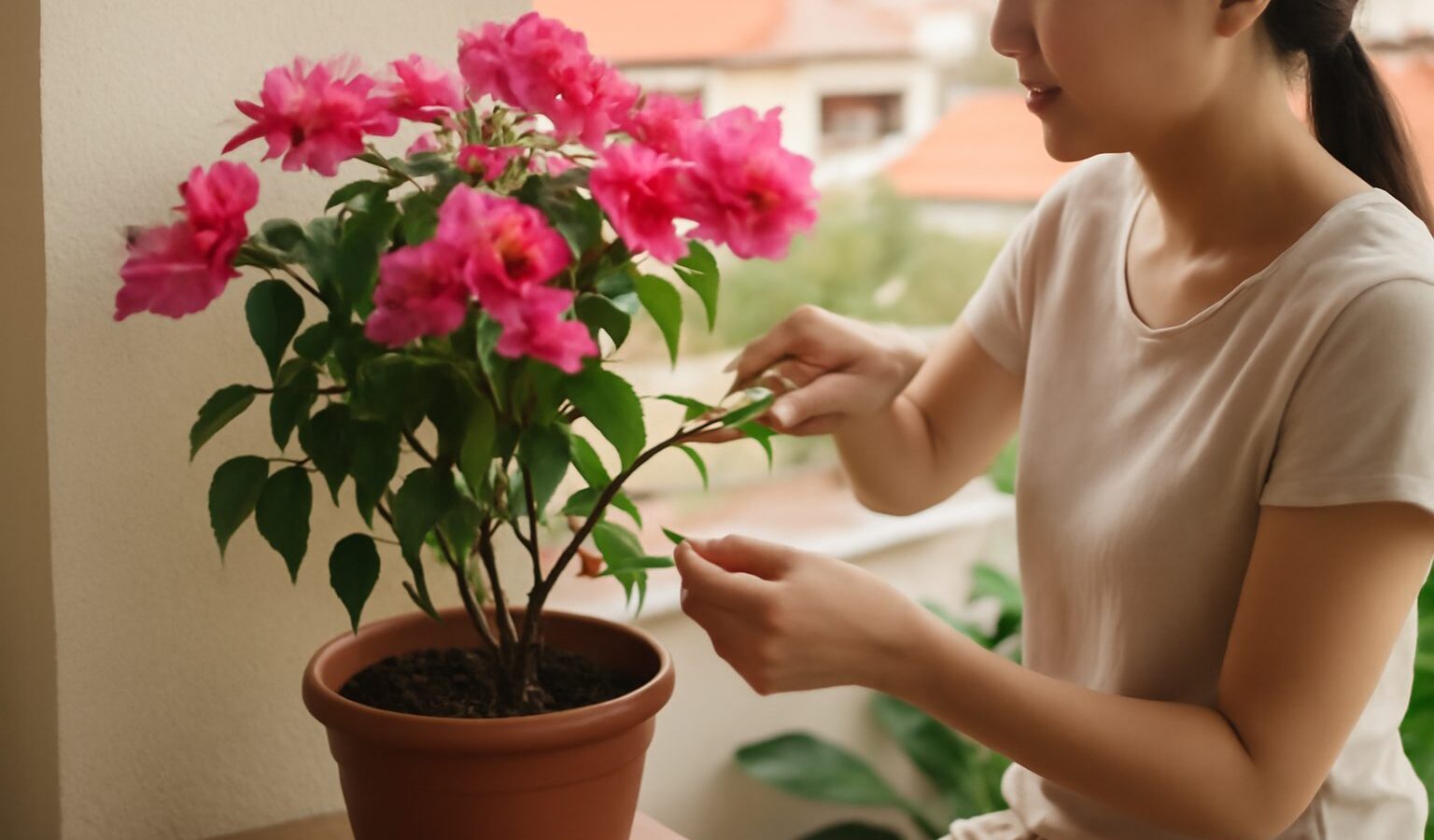
Few plants say tropical quite like bougainvillea. Those brilliant sprays of pink, magenta, orange and white that spill over walls and railings across the island are not flowers at all but colourful bracts, papery modified leaves that surround the tiny true blooms. Bougainvillea thrives in exactly the conditions Singapore offers in abundance, blazing sun and warmth, which is why it is one of the most rewarding flowering plants you can grow on a bright balcony or in a landed garden. It does, however, have a few firm opinions about sun, water and pruning. Get those right and growing bougainvillea becomes almost effortless. This guide is general advice for home gardeners, not professional horticultural instruction.
Why Bougainvillea Loves Singapore
Bougainvillea is a sun worshipper through and through. In its ideal spot it flowers on and off much of the year here, and unlike gardeners in cooler countries who fight the seasons, we can keep it colourful with far less effort. Our heat is a feature, not a bug.
It also copes well with our two-part weather. Bougainvillea is naturally drought-tolerant, so it handles hot dry spells with ease, and mature plants shrug off the odd missed watering. The monsoon is the greater challenge, since constant wet and heavy shade during long grey spells push the plant to grow leaves instead of bracts. Understanding that tension, sun and a little stress bring colour while lush comfort brings greenery, is the key to a plant that actually flowers.
For HDB and condo growers, bougainvillea is a strong balcony candidate precisely because it wants the harsh, exposed, west-facing heat that many other plants hate. Just check your town council rules before training anything along a common corridor or over a shared railing, and secure heavy pots so nothing can fall.
Sun, Soil and Choosing a Spot
The single most important rule is sun, and lots of it. Bougainvillea needs at least five to six hours of direct sun a day to flower well, and more is better. A shaded balcony will give you a leafy green plant that stubbornly refuses to colour up. If your space is bright and hot, you are in business.
A few pointers for setting it up:
- Pick the brightest, hottest spot you have, ideally facing where the afternoon sun lands.
- Use free-draining soil. A normal potting mix with added sand or perlite prevents soggy roots, which bougainvillea hates.
- Choose a pot that is not too large. Bougainvillea flowers better when its roots are a little snug, so resist the urge to over-pot.
- Ensure good drainage holes and never let the pot stand in a saucer of water, both to protect the roots and to deny Aedes mosquitoes a breeding site. Empty saucers after rain in line with NEA and Mozzie Wipeout guidance.
- Handle with care. Most bougainvillea have sharp thorns, so wear gloves and long sleeves when planting, moving or pruning, and keep it clear of walkways where people brush past.
Watering, Feeding and Pruning for Colour
Here is the counterintuitive heart of growing bougainvillea: a little hardship makes it flower. Pampering makes it sulk. Once you accept that, the care becomes simple.
Water deeply but let it dry out. Give an established plant a good soak, then wait until the soil is quite dry before watering again. A mild wilt actually helps trigger flowering, whereas constantly damp soil gives you leaves and root problems. In a small pot on a hot balcony you may still water often, so judge by the soil, not the calendar, and ease off during rainy spells.
Feed for flowers, not foliage. Too much nitrogen produces lush green growth at the expense of colour. Use a fertiliser higher in phosphorus and potassium, the nutrients that support blooming, and feed modestly during active growth. If you want a deeper look at coaxing blooms, our guide on how to get your plants to flower in Singapore covers the same principles across many plants.
Prune boldly and often. Bougainvillea flowers on new growth, so cutting it back stimulates fresh flowering shoots and keeps a balcony plant compact. After a flush of colour fades, trim back the stems, remove any weak or crossing growth, and shape as you like. Always wear gloves for the thorns, and never prune in the harshest midday sun. Regular pruning is the difference between a tidy, floriferous plant and a sprawling green monster.
Common Problems and Simple Fixes
Most bougainvillea troubles trace back to too much shade, too much water or too much nitrogen. The table below helps you diagnose and correct the usual complaints.
| Problem | Likely cause | What to do |
|---|---|---|
| Lots of leaves, no colour | Too little sun or too much nitrogen | Move to full sun; switch to a low-nitrogen feed |
| Bracts drop soon after opening | Sudden move, overwatering or heavy rain | Keep it stable, ease off water, shelter in downpours |
| Yellowing leaves | Overwatering or poor drainage | Let soil dry more; improve drainage; reduce watering |
| Leggy, sparse growth | Not enough light or no pruning | Give more sun; prune to encourage bushy new shoots |
| Few blooms in the monsoon | Long wet, grey spells | Be patient; colour returns with sunnier weather |
If your plant refuses to flower despite full sun, try easing back on both water and nitrogen for a few weeks. That gentle stress is often all it takes to flip a leafy plant into full colour.
A Splash of Colour Worth the Effort
Bougainvillea asks for sun, sharp drainage, restraint with the watering can and a willingness to prune, and in return it gives you some of the most vivid colour available to a Singapore gardener. It is a plant that rewards a firm hand rather than a soft one, which makes it oddly satisfying to grow well. Give it the hottest corner you have, keep it a little lean and thirsty, and prune it hard after each flush, and your balcony or garden can glow for much of the year.
Explore more: for more sun-loving tropical colour, see our guides to growing hibiscus in Singapore and growing frangipani plumeria in Singapore, both natural companions for a bright, hot balcony.