
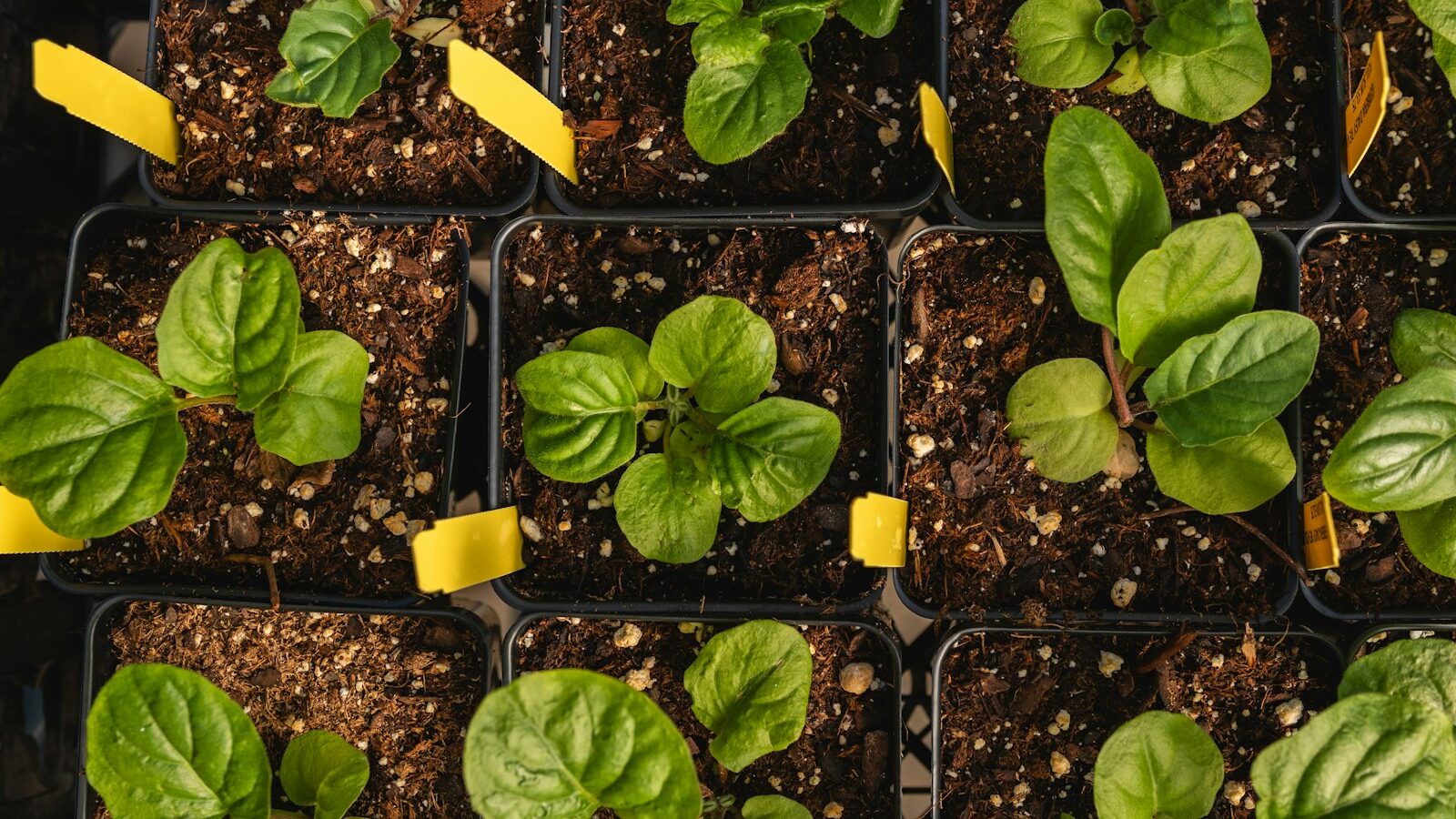
True spinach sulks in our heat. It bolts, wilts and rarely gives a worthwhile harvest on an HDB corridor or a landed garden bed. That is why so many home growers turn to Brazilian spinach in Singapore, along with its climbing cousin, Ceylon spinach. Neither is botanically related to European spinach, but both give you a steady supply of tender, leafy greens all year round, with far less fuss.
This guide focuses on these two heat lovers specifically: how to tell them apart, how to propagate them from a single cutting, how to keep them productive, and how to use them in the kitchen.

Meet the Two Spinach Substitutes
Brazilian spinach (Alternanthera sissoo, also sold as sissoo spinach) is a low, mounding perennial with crinkly, glossy, bright green leaves. It forms a dense bush roughly knee high and spreads sideways as stems touch the soil and root. The leaves are crunchy when raw and soften when lightly cooked.
Ceylon spinach (Basella alba, also called Malabar spinach, and known in Chinese kitchens as 木耳菜 or “potato leaf vegetable”) is a fast, twining vine with thick, fleshy, heart shaped leaves. There is a green stemmed form and a red stemmed form often labelled Basella rubra. The leaves turn slightly silky, almost mucilaginous, when cooked, which is exactly why it is loved in soups.
| Feature | Brazilian Spinach | Ceylon Spinach |
|---|---|---|
| Growth habit | Low, spreading bush | Climbing vine that needs support |
| Easiest propagation | Stem cuttings | Stem cuttings or seeds |
| Light needs | Full sun to partial shade | Full sun to partial shade |
| Leaf texture | Crisp, crinkly | Thick, soft, slightly slippery when cooked |
| Best kitchen use | Stir fries, omelettes, salads in small amounts | Soups, stir fries with garlic, porridge |
| Space needed | Wide pot or bed edge | Pot plus a trellis, railing or string |
Propagating From Cuttings: The Easy Way In
Both plants root readily, so you rarely need to buy seedlings. A bunch of Ceylon spinach from a wet market or supermarket, or a few stems from a gardening friend, is often enough to start.
- Choose healthy stems. Pick firm, pest free stems about the length of your hand, with several leaf nodes. Avoid limp or yellowing pieces.
- Strip the lower leaves. Remove leaves from the bottom two or three nodes, since roots form from the nodes.
- Root in water or soil. Stand the stems in a glass of water in bright shade, changing the water every couple of days, or push them straight into moist potting mix. Brazilian spinach often roots within a week or two; Ceylon spinach can be even faster.
- Pot up once roots form. Move water rooted cuttings into soil when the roots are a few centimetres long, and keep them in bright shade for several days before moving into more sun.
Ceylon spinach can also be grown from seed. The dark purple berries that form on mature vines contain one seed each. Dry them, then sow a few in moist mix. Soaking overnight first can help germination. Be aware that the berry juice stains fingers and grout.
Soil, Pots and Sunlight
Both plants want a loose, well drained mix rich in organic matter. A general potting mix blended with compost works well. Heavy, waterlogged soil invites root rot, especially in rainy monsoon months.
- Pots: Brazilian spinach likes a wide, shallow to medium container so it can spread. Ceylon spinach needs a deeper pot to support a vigorous vine.
- Sunlight: Four to six hours of direct sun gives the best leaf production. Both tolerate partial shade, which suits many HDB corridors, though growth will be slower and leaves larger and thinner.
- Support for Ceylon spinach: Give it a trellis, a bamboo teepee, netting or a string tied to a corridor railing. Check your town council’s rules before attaching anything to common property, and keep plants tidy and clear of walkways.
- Watering: Keep the soil evenly moist but never soggy. In hot dry spells, daily watering may be needed for pots in full sun. In wet weather, check before watering.
- Feeding: A light dose of compost, worm castings or a balanced organic fertiliser every few weeks keeps leaves coming. Leafy crops respond well to nitrogen, but overfeeding gives soft growth that attracts pests.
If you are new to edible gardening overall, our guide to growing vegetables in Singapore covers containers, mixes and basic pest control in more depth.
Harvesting So the Plants Keep Producing
The trick with both plants is to harvest often. Regular picking pushes out new side shoots and keeps the plants compact.
Brazilian spinach: Snip the top few centimetres of each stem just above a leaf node, or pick individual leaves once the bush is established. Cutting back by about a third every few weeks keeps it bushy instead of leggy. Older, tougher leaves can go into the compost.
Ceylon spinach: Pinch the growing tips with the top few leaves attached. This tender section is the best part to eat. Pinching also encourages branching, so you get more tips over time. If you want seeds, leave a few stems to flower and fruit, but know that a vine focused on flowering tends to produce fewer new leaves.
Both plants slow down if they become crowded or root bound. Every so often, take fresh cuttings and restart a pot so you always have vigorous young plants.
Common Problems and Quick Fixes
- Leggy, sparse growth: Usually too little light. Move to a brighter spot and prune back hard.
- Yellowing lower leaves: Often overwatering or poor drainage, sometimes a nutrient shortage. Check that the pot drains freely, then feed lightly.
- Holes in leaves: Caterpillars and grasshoppers are the usual suspects. Hand pick them in the early morning or evening.
- Sticky residue and curled tips: Look for aphids or mealybugs on the undersides of leaves and along stems. A strong spray of water or wiping with soapy water often keeps small infestations down.
- Leaf spots in rainy weather: Remove affected leaves, improve air flow and avoid wetting foliage late in the day.
Cooking With Your Harvest
Brazilian spinach has a mild, slightly nutty taste. Toss it into a garlic stir fry, fold it into omelettes, add it to fried rice or blanch it as a side. Some people add small amounts raw to salads. Like many leafy greens, it contains oxalates, so many growers prefer to eat it mostly cooked and in normal food portions. If you have a medical condition such as a history of kidney stones, ask your doctor about leafy greens that are high in oxalates.
Ceylon spinach shines in clear soups with egg, minced pork or ikan bilis stock, where its silky texture thickens the broth slightly. It also suits simple stir fries with garlic or fermented bean curd, and it is added to porridge and dhal in many homes. Cook it briefly so the leaves stay bright and the stems keep a little bite.
Both greens should be washed well before cooking, especially if grown near a busy road or a corridor where dust settles.
Building a Heat Proof Leafy Greens Corner
Brazilian and Ceylon spinach pair well with other tropical greens that cope with Singapore’s climate. If you enjoy these two, consider adding longevity spinach for a perennial with a different flavour, or fast cropping bayam grown from seed. Gardeners with a water tray or damp spot might also try kangkong.
Start with one pot of each, harvest little and often, and keep a jar of rooting cuttings on the windowsill as backup. Within a couple of months, you can have a reliable supply of home grown greens without ever battling to keep true spinach alive.
Frequently Asked Questions
Which is easier for beginners, Brazilian spinach or Ceylon spinach? Brazilian spinach is usually the gentler start, because it stays low, needs no trellis and forgives uneven watering. Ceylon spinach grows faster but is a vine, so you must plan a railing, string or trellis for it. If space is tight, begin with a single pot of Brazilian spinach.
How long before I can harvest after planting a cutting? Expect to wait until the cutting has rooted and put out fresh growth, which for both plants is a matter of weeks rather than months. Sunlight, pot size and feeding all change the pace. Start with light picking of the tips so the plant keeps building leaves.
Can Brazilian spinach or Ceylon spinach grow indoors near a window? They can survive there, but results are usually poorer than outdoors. Both want several hours of bright light, and a dim indoor spot gives leggy, sparse growth. A sunny window ledge or a bright balcony works far better than the middle of a room.
Will Ceylon spinach take over my corridor or garden? It can sprawl if left alone, because a healthy vine keeps climbing and branching. Regular pinching of the tips keeps it in check and gives you more to eat. Keep it tied to its support and clear of walkways, and cut back stems that stray.
Are these greens good for people with kidney problems? That depends on the person, so it is best to ask a doctor or dietitian first. Brazilian spinach contains oxalates, as many leafy greens do, and people with a history of kidney stones are often advised to watch their intake. Eating it cooked and in normal portions is the usual approach for everyone else.