
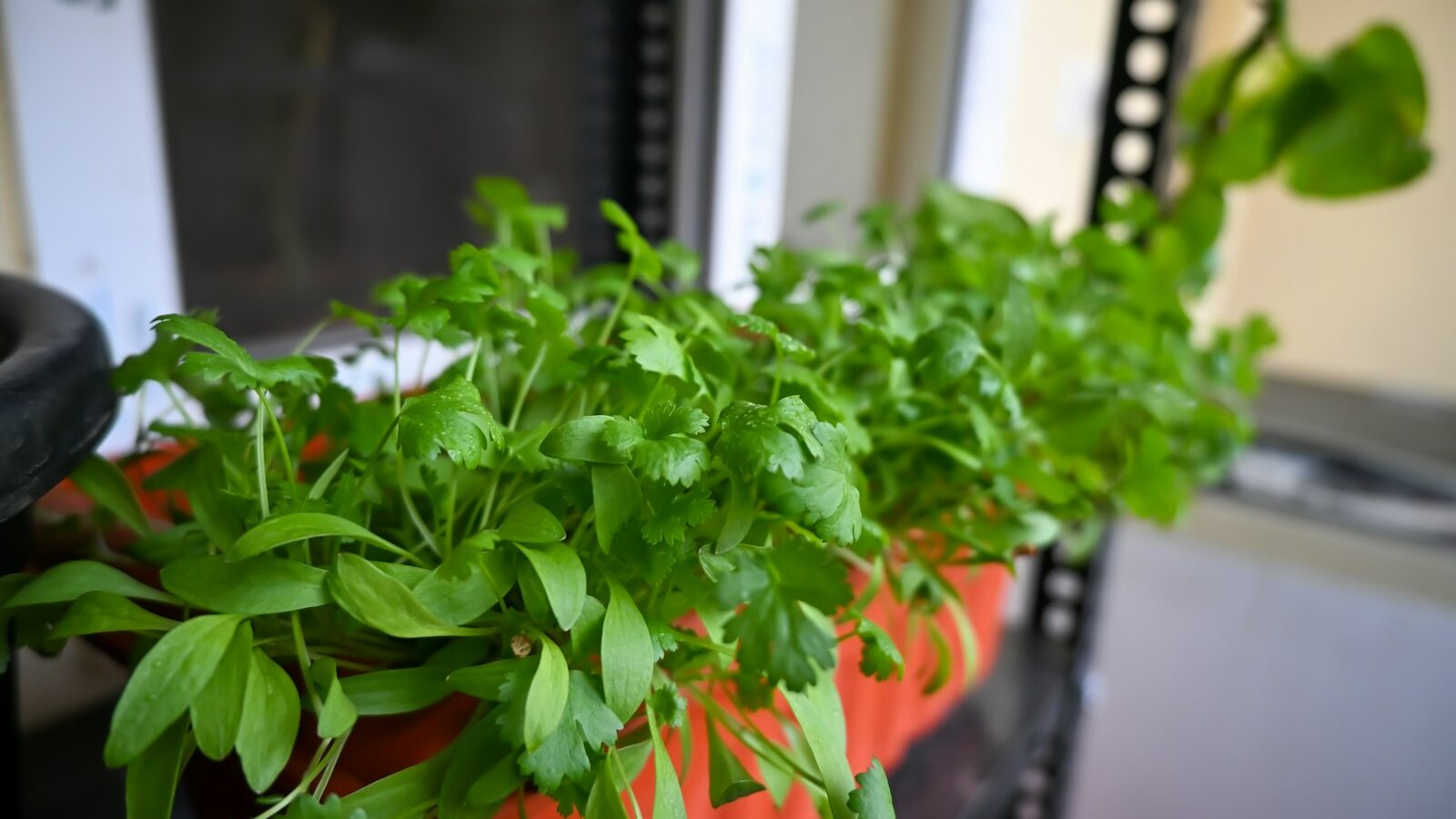
Let us be honest from the start: growing coriander Singapore gardeners quickly discover is one of the trickier herbs to keep happy in our climate. Coriander, the same plant that gives us the leafy cilantro, hails from cooler, drier parts of the world and has a strong dislike of relentless heat. In our tropical warmth it tends to bolt, meaning it rushes to flower and set seed rather than producing the lush green leaves you actually want. That does not make it impossible. With the right spot, realistic expectations and a willingness to sow little and often, you can enjoy fresh homegrown coriander through much of the year.
This guide is deliberately frank about the challenges, because the fastest way to succeed with this herb here is to understand why it struggles and to work around its stubborn nature.
Why Coriander Bolts in Our Heat
Coriander is a cool-season annual. When temperatures climb and days stay long and warm, the plant reads this as a signal to reproduce quickly before conditions worsen, so it sends up a flower stalk and the leaf production grinds to a halt. This process is called bolting, and in Singapore it can happen alarmingly fast, sometimes within weeks of germination. Once a plant bolts, the leaves turn feathery and the flavour grows harsh, so the leafy harvest window is short.
The trick is to slow the bolting down. You do this by keeping the plant as cool as possible, protecting it from the fiercest midday sun, and never letting it dry out or become stressed, since stress is a major bolting trigger. Even with the best care, expect each sowing to be relatively short-lived. The professional approach here is not to nurse one plant for months but to sow fresh seed every couple of weeks so that a new batch is always coming on to replace the ones that bolt.
Finding a Cooler, Shadier Spot
Full tropical sun is too much for coriander. Aim instead for a position that gets gentle morning light and shade through the hot afternoon, or bright but filtered light for most of the day. A spot on an east-facing balcony, under the light shade of a taller plant, or beneath a shade cloth all help lower the heat stress. Cooler microclimates matter: an airy, breezy corner will always outperform a hot, still one that traps radiant heat off concrete walls.
Keep the potting mix consistently moist but well drained. Coriander has a taproot and resents being moved, so sow seeds directly into their final container rather than transplanting seedlings, which often triggers an early bolt. A container at least 20cm deep suits the taproot. Sow the seeds thinly, cover lightly, and keep them damp until they germinate, which usually takes a week or two.
An Honest Comparison of Conditions
The table below sums up what coriander wants versus what our climate naturally offers, so you can see where to intervene.
| Factor | Coriander prefers | Singapore reality |
|---|---|---|
| Temperature | Cool, mild | Consistently hot, encourages bolting |
| Light | Gentle sun or part shade | Intense; needs afternoon shade |
| Lifespan | Weeks to months | Often short before bolting |
| Watering | Steady moisture | Easy to keep moist, but drainage vital |
| Best strategy | One long crop | Frequent small resowings |
Feeding, Watering and Daily Care
Coriander is not a heavy feeder, but a light dose of balanced liquid fertiliser, diluted as the label directs, every few weeks keeps the leaves green and productive. As with any edible, store and apply fertiliser well away from food preparation areas, following the instructions on the packaging. Overfeeding does more harm than good with this herb, producing lush but flavourless leaves that bolt just as readily, so err on the side of a lighter hand.
It also helps to sow a small pinch of seed into two or three containers staggered a week or two apart, rather than one big pot all at once. That way, if one batch bolts early during a particularly hot spell, another is always coming up behind it. This simple succession habit is the single most reliable way local growers keep a steady trickle of leaves on the go through the year.
Water in the cool of the morning and try to keep moisture even, since a dry-then-wet cycle stresses the plant and hastens bolting. Do not leave the saucer full of standing water, both to protect the roots from rot and to avoid creating still water that could breed mosquitoes. Watch for aphids and the occasional fungal leaf spot, the latter encouraged by our humidity, and improve airflow if you see it. A gentle rinse with diluted soap solution handles most small pest outbreaks.
Harvesting Leaves Before It Bolts
Since your window is short, start harvesting outer leaves as soon as the plants are a decent size, snipping from the outside and letting the centre keep growing. Regular light harvesting can even delay bolting a little. The moment you see a central stalk beginning to shoot upwards with finer, ferny leaves, harvest generously, because the leafy phase is nearly over.
Do not despair when a plant bolts. If you let the flowers develop, they attract beneficial insects, and the plant eventually produces round seeds. Those seeds are coriander the spice, which you can dry and use in cooking, and a few can be saved to sow the next batch. In this way a bolting plant is not a total loss but a second, different harvest.
Always wash homegrown coriander thoroughly before eating, as soil and organic fertiliser can cling to the delicate leaves. A careful rinse under running water is all that is needed.
Realistic Success in the Tropics
The path to enjoying homegrown coriander here is acceptance rather than struggle. Give it the coolest, shadiest spot you can manage, keep the moisture steady, and above all sow little and often so a fresh crop is always waiting when the last one bolts. Growing coriander Singapore gardeners can genuinely achieve, provided you treat each plant as a short, generous sprint rather than a marathon. Pair it with easier herbs for reliable greens, and let coriander be your rewarding, slightly demanding challenge.
Explore more
How to Grow Herbs at Home
Growing Mint and Basil
How to Grow Pandan and Local Herbs
The Easiest Edibles to Grow