
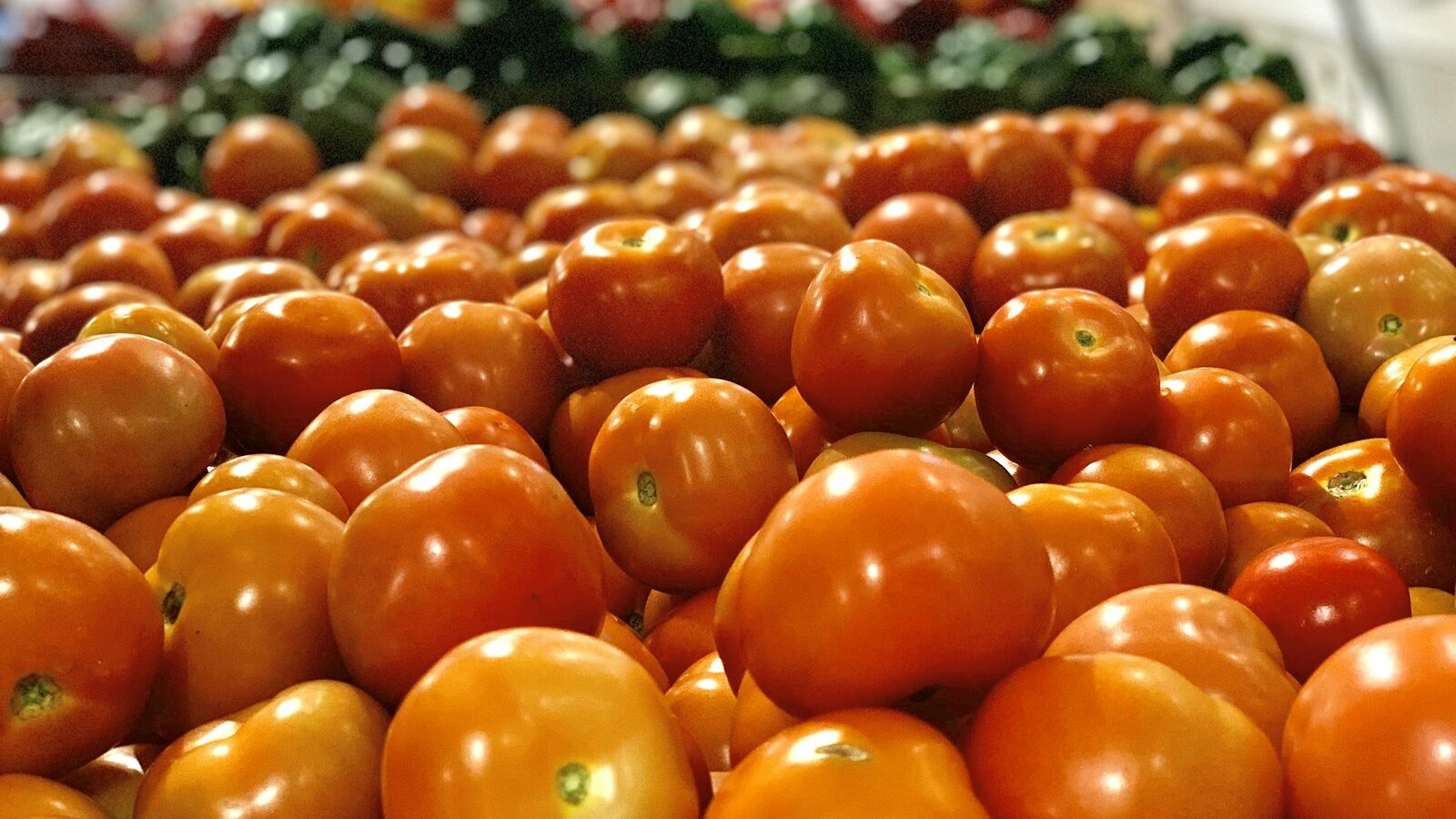
There is a special kind of pride in snipping a warm, sun-ripened tomato from a plant you grew yourself, and it is absolutely possible on a Singapore balcony or corridor. Growing tomatoes in Singapore does come with a few tropical quirks, mainly our heat, humidity and sudden downpours, but with the right variety and a little know-how, even a first-time grower can pull off a satisfying harvest. This guide walks you through everything, from choosing seeds to keeping your saucers free of mosquitoes.
Can You Really Grow Tomatoes in the Tropics?
Yes, though it helps to set expectations. Tomatoes were bred over centuries for temperate climates with warm days and cool nights, so a few things work against us here. Our nights stay warm, which can make large “beefsteak” types drop their flowers before they set fruit. Constant humidity encourages fungal leaf diseases, and heavy monsoon rain can split ripening fruit and batter soft stems.
The good news is that none of this is a dealbreaker. The trick is to lean into what suits the tropics: smaller-fruited cherry and grape types set fruit far more reliably in the heat than big slicing tomatoes. Grow them in pots so you can move them out of the worst afternoon sun and driving rain, give them plenty of light, and keep the airflow good to fend off disease. Treat your first crop as a happy experiment rather than a farm, and you will learn fast.
Choosing Heat-Tolerant Varieties
Variety choice matters more than anything else. Reach for the small, tough, fast types and skip the giant heirlooms that struggle in our climate. Cherry, grape and small plum tomatoes are the reliable performers on a Singapore balcony, and many are sold locally as seeds or young seedlings.
Here is a quick comparison to help you pick what suits your space and patience.
| Type | Fruit and habit | Best for | Care level |
|---|---|---|---|
| Cherry tomatoes | Small, sweet, heavy croppers, sprawling vines | Beginners wanting reliable fruit | Easy |
| Grape tomatoes | Oval, firm, sweet, prolific | Snacking and salads, hot balconies | Easy |
| Determinate (bush) types | Compact, fruit in one flush, less staking | Small pots and tidy corners | Easy to moderate |
| Beefsteak or heirloom types | Large fruit, tall vines, flowers drop in heat | Experienced growers, cooler spots | Hard |
If you are unsure, start with a cherry tomato. It forgives mistakes, fruits quickly in our warmth, and gives you a steady trickle of tomatoes over weeks rather than one all-or-nothing harvest.
Pots, Soil and Where to Put Them
Tomatoes have hungry roots, so give them room. A deep pot of at least twenty to thirty centimetres across, with good drainage holes, suits one plant well. Grow bags and recycled containers work fine too, as long as water can escape freely from the bottom. Fill with a light, free-draining potting mix rather than heavy garden soil, and mix in some compost or well-rotted organic matter to feed those roots.
Light is non-negotiable. Tomatoes want at least six hours of direct sun a day to fruit properly, so a bright, sunny balcony, an unshaded corridor spot or a rooftop garden bed is ideal. That said, our midday sun is fierce, and pots dry out fast, so morning sun with a little afternoon relief is the sweet spot. If your only bright spot is exposed, be ready to water more often and consider some light shade during the harshest hours.
A few placement pointers for HDB living:
- Keep pots stable and never balanced on ledges or railings where they could fall.
- If gardening along a common corridor, keep the walkway completely clear for fire safety and access, and follow your town council, HDB and SCDF rules, which vary between estates.
- Give the plant a stake, cage or trellis early, because a fruiting vine gets heavy and topples without support.
Watering, Feeding and Keeping Mosquitoes Away
Tomatoes in pots under tropical sun are thirsty, and uneven watering is a common cause of split fruit and blossom-end rot. Aim to keep the soil consistently moist but never waterlogged. In practice that often means watering once a day in hot, dry spells, checking by pushing a finger into the top few centimetres of soil. Water at the base rather than over the leaves, since wet foliage in our humidity invites fungal disease.
This is where a Singapore-specific caution matters. Never let water sit in the saucer or tray beneath the pot. Standing water in saucers, trays and container bases is a prime breeding spot for Aedes mosquitoes, and dengue is a genuine, year-round risk here. Tip out any collected water within a day, keep saucers dry between waterings, and avoid letting the soil surface harden into a crust that traps puddles. Following NEA’s anti-mosquito advice protects both your household and your neighbours.
Feeding keeps a tomato productive. Once the plant is settled and starting to flower, a fertiliser formulated for fruiting or tomatoes, applied roughly every couple of weeks, supports steady cropping. Always follow the product label for dosage, keep fertilisers and any pest treatments well away from children and pets, and lean towards eco-friendly or organic options where you can. More feed does not mean more tomatoes, and overdoing nitrogen just gives you a leafy plant with little fruit.
Pollination, Pests and Common Problems
Outdoors, wind and visiting insects usually handle pollination for you. If your plant flowers but fruit does not form, especially in a sheltered spot, give the flowering stems a gentle daily tap or shake to shed the pollen and help it along.
Watch for the usual tropical troublemakers. Whiteflies, aphids and spider mites cluster under leaves, while caterpillars chew holes overnight. Check the undersides of leaves regularly and act early: a firm spray of water, hand-picking caterpillars, or an eco-friendly treatment like neem oil used strictly per the label will handle most outbreaks. Yellowing lower leaves, black leaf spots or sudden wilting often point to fungal or bacterial disease, made worse by wet leaves and crowding, so improve airflow, remove affected leaves and water at the base.
Two other common gripes: leaves curling or flowers dropping in extreme heat is often just the plant coping with a hot stretch, and it usually recovers. Cracked fruit almost always traces back to erratic watering or a heavy downpour on parched soil, so keep moisture steady.
Harvesting, Eating and Where to Buy
Pick tomatoes when they are fully coloured and give slightly to a gentle squeeze, which is when they are sweetest. Regular picking encourages the plant to keep producing. As with all home-grown edibles, wash your tomatoes well before eating, and only eat fruit you are confident came from your tomato plant.
To get started, seeds and young seedlings turn up at the nurseries along Thomson Road and out at Sungei Tengah, at Far East Flora, community nurseries, and plenty of online sellers, alongside pots, stakes and potting mix. Prices vary a lot by size and type, so check with the nursery or shop rather than fixing on a figure. Honestly, the cheapest and most rewarding start is a single cherry tomato seedling, a decent pot and a sunny corner. Keep the saucer dry, water steadily, and you will soon understand why growing tomatoes in Singapore is such a beloved little project.
Explore more
Tomatoes are a brilliant gateway into edible gardening, so if you are keen for more, our guide to growing vegetables in Singapore and the roundup of the easiest edibles to grow are natural next reads. Pair your tomatoes with fresh home-grown herbs or a pot of chilli plants, or plan the whole plot with how to start a small edible garden.