
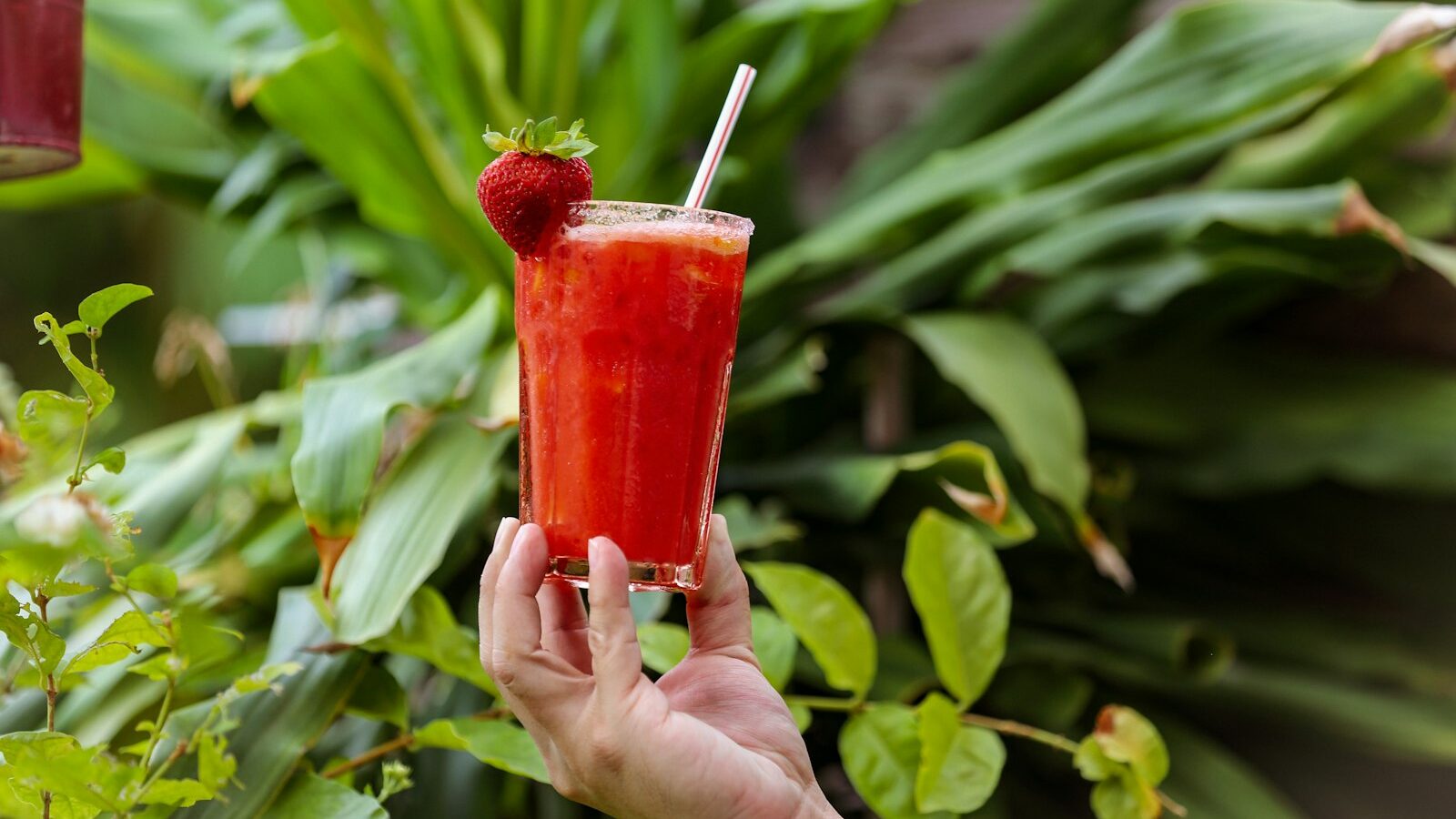
Growing strawberries Singapore gardeners fantasise about, those plump red berries from a homegrown pot, is one of the most requested and most difficult projects in tropical gardening. Strawberries are temperate plants that crave cool weather, chilly nights and a proper change of seasons to fruit well. Our hot, humid, seasonless climate is close to their worst nightmare, which is why so many hopeful growers end up with leafy plants that flower sparingly, set tiny berries, or simply melt away in the heat. This guide is refreshingly honest about the odds while giving you the best realistic shot at a small, satisfying harvest.
Treat this as a rewarding challenge rather than a guaranteed crop. With the coolest spot you can find, the right variety and diligent care, a few sweet homegrown berries are genuinely achievable, and that makes them all the more prized.
Why Strawberries Struggle in the Heat
Strawberries fruit best in mild conditions, roughly the cool temperatures of a temperate spring. In our persistent warmth, the plants pour their energy into leaves and runners rather than flowers and fruit, and any berries that do form tend to be small, soft and quick to spoil. High humidity compounds the problem by encouraging the fungal rots and mildew that strawberries are prone to, and our intense sun can scorch both leaves and fruit.
There is also the matter of the plant’s internal clock. Many strawberry varieties need cool nights or a certain daylength to trigger flowering, cues our equatorial climate simply does not provide. This is why day-neutral or everbearing types, which are less dependent on those seasonal signals, are the sensible choice here. Even then, expect modest yields rather than the heaving punnets of a temperate garden. Understanding this upfront turns disappointment into realistic, enjoyable experimentation.
Choosing Varieties and a Cooler Microclimate
Seek out day-neutral or everbearing strawberry varieties, as these are the most likely to flower and fruit without a cold season. Buying established plants or runners rather than starting from seed gives you a much faster and more reliable start, since strawberry seed is slow and fiddly.
Location is everything. Hunt for the coolest microclimate you have. A breezy, elevated balcony that catches morning sun but is shaded through the scorching afternoon is ideal, as is any spot that stays a few degrees cooler and airier than the rest of your home. Some dedicated local growers even raise strawberries indoors near a bright window with a fan for airflow, or in air-conditioned rooms, precisely to mimic the cooler conditions the plants crave. Strong afternoon shade is not optional here; it is essential to prevent heat stress.
An Honest Expectations Table
The table below lays out what strawberries want against what we can offer, so you know where the effort goes.
| Factor | Strawberries want | Singapore reality |
|---|---|---|
| Temperature | Cool, mild, cool nights | Consistently hot day and night |
| Fruiting | Free with the right season | Sparse; needs day-neutral types |
| Light | Full sun in cool climates | Needs afternoon shade to avoid scorch |
| Humidity | Moderate | High, encourages rot and mildew |
| Realistic yield | Generous | Small but rewarding |
Containers, Soil and Watering
Grow strawberries in containers or hanging baskets rather than the ground, as this keeps the fruit off wet soil, improves airflow, and lets you move plants to cooler or shadier spots as needed. Use a rich but free-draining potting mix, since strawberries hate both drought and waterlogging. Add compost for fertility and perlite for drainage, and make sure every container has good drainage holes.
Water consistently to keep the mix evenly moist, watering at the base in the morning so the leaves and fruit stay dry and less prone to rot. Never leave the saucer full of standing water, both to protect the roots and to avoid still water that mosquitoes could breed in. Mulch the surface lightly to keep roots cool and to stop developing berries from resting on damp mix.
Feed regularly during active growth with a balanced liquid fertiliser, switching to one higher in potassium as flowers appear to support fruiting, always diluted as the label directs. Store and apply fertiliser well away from food preparation areas, following the packaging.
Managing Pests, Disease and Fruiting
Humidity brings fungal challenges, so airflow is your best friend. Space plants well, remove any dead or spotted leaves promptly, and avoid wetting the foliage. Watch for the grey mould that turns berries fuzzy in damp conditions, and pick affected fruit off at once. Snails, ants and birds all fancy ripe strawberries, so a little netting or raising baskets out of reach helps protect your small crop.
To encourage the plant to fruit rather than sprawl, remove most of the runners it sends out, since these divert energy into new plants rather than berries. When flowers appear, you can gently hand-pollinate by dabbing the centre of each bloom with a soft brush, which often improves fruit set indoors where insects are scarce.
Always wash homegrown strawberries before eating, since potting mix, mulch and organic fertiliser can cling to the fruit and leaves. A gentle rinse under running water just before serving keeps the berries at their best.
Savouring a Small, Hard-Won Harvest
The candid conclusion is that growing strawberries Singapore gardeners can pull off, but only as a labour of love with modest rewards. Choose day-neutral varieties, chase the coolest, shadiest, breeziest microclimate you have, keep drainage sharp and airflow generous, and celebrate every single berry as the small triumph it truly is. If a few plants fade in the heat despite your care, that is normal even for seasoned growers. Approach it as a fun, honest experiment rather than a staple crop, and the occasional sweet, sun-warmed berry from your own pot will taste all the sweeter for the effort.
Explore more
The Easiest Edibles to Grow
How to Start a Small Edible Garden
A Guide to Growing Vegetables
Understanding Soil and Potting Mix