
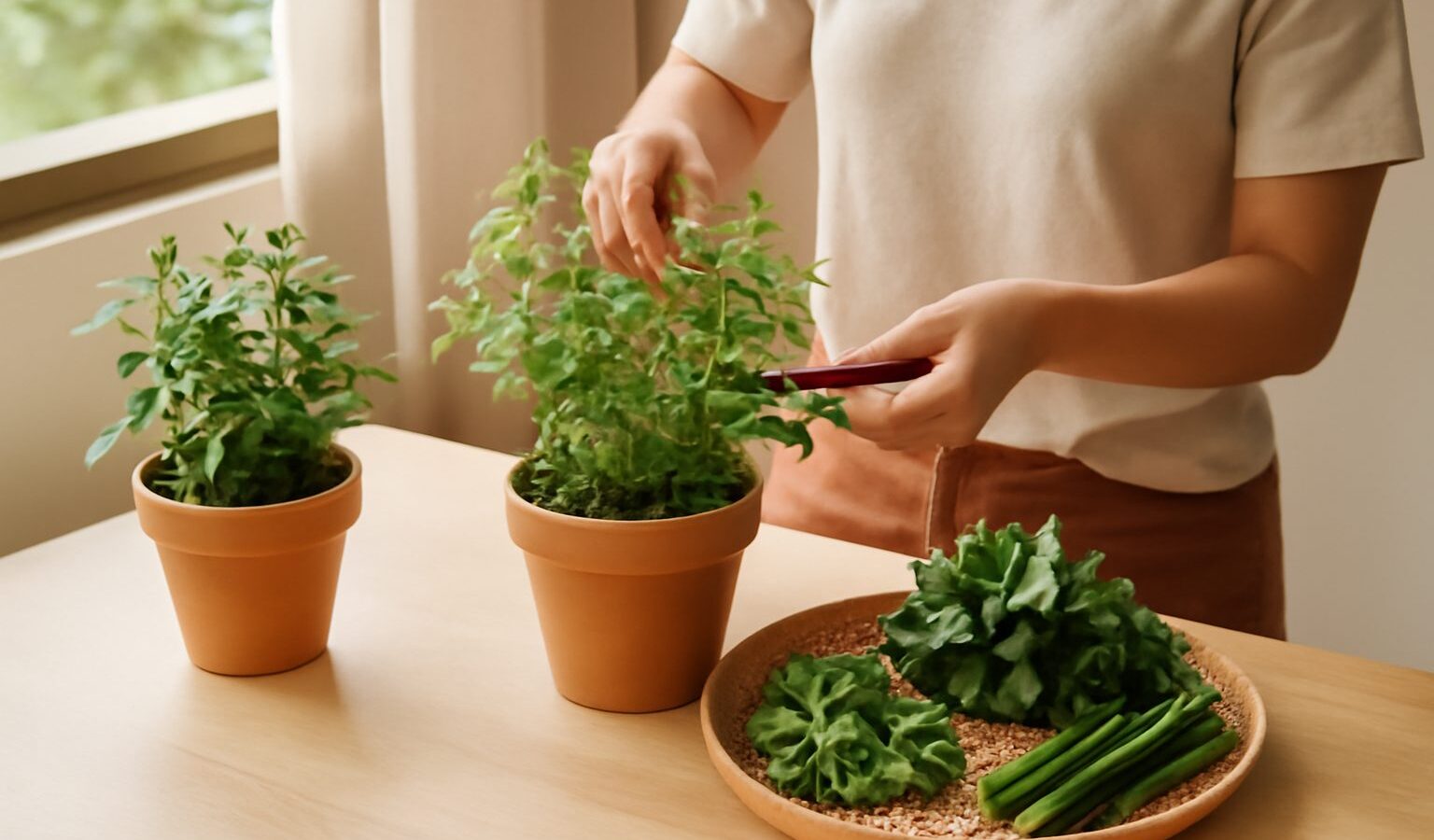
Open a bowl of laksa and that unmistakable warm, peppery aroma comes largely from one herb. Known here as laksa leaf, daun kesum or Vietnamese coriander, it is one of the easiest and most rewarding herbs you can grow at home. If you have wanted fresh laksa leaf singapore markets sell in tired little bunches, growing your own gives you an endless supply of fragrant leaves. This guide covers laksa leaf and a handful of other local herbs that thrive in our climate.
Meet the Laksa Leaf
Laksa leaf is a low, sprawling herb with narrow, pointed leaves often marked with a dark chevron. Despite the name Vietnamese coriander, it is not related to true coriander, though its scent has a similar citrus-pepper brightness. It is used across South East Asian cooking, most famously in laksa but also in salads, soups and rice dishes.
The great news for home gardeners is that it loves exactly the conditions we have. It thrives in heat and humidity, grows fast, and asks very little in return. Unlike temperate herbs that sulk in our climate, laksa leaf simply gets on with growing.
It is a creeping plant, sending out stems that root wherever they touch soil. This makes it incredibly easy to propagate but also means it will happily take over a shared bed if left unchecked, so many gardeners keep it in its own pot.
How to Grow Laksa Leaf
You can start laksa leaf from a cutting in minutes. Take a stem a few centimetres long, strip the lower leaves, and either push it straight into moist soil or stand it in a glass of water until roots appear. It roots so readily that a single supermarket bunch can become a whole pot of plants.
Unlike most herbs, laksa leaf actually enjoys moisture. It grows wild along the edges of ditches and ponds, so it tolerates damp soil far better than the average herb. Keep the soil consistently moist and never let the pot dry out completely, especially in strong sun.
It grows well in full sun or partial shade. A spot with morning sun and some afternoon shade keeps the leaves lush and tender. In very harsh all-day sun the plant survives but can look scorched, while in deep shade it grows leggy and pale.
Feed occasionally with a diluted balanced fertiliser to keep the leaves coming, and pinch back the growing tips regularly. Frequent harvesting is the best thing you can do, as it encourages bushy new growth and stops the plant becoming straggly.
Harvesting and Keeping It in Check
Harvest by snipping stems just above a leaf node, taking what you need for cooking. The more you pick, the more it produces. Always wash home-grown herbs before use, and if you are new to a plant, be sure of your identification before eating it.
Because laksa leaf spreads so eagerly, keep it contained. Growing it in a pot rather than an open bed prevents it colonising ground you had other plans for. If a stem escapes and roots into a neighbouring pot, simply snip it off and pot it up separately or give it away.
Other Local Herbs Worth Growing
Laksa leaf pairs naturally with the other aromatic herbs of our regional cooking, and most are just as easy to grow. The table below sums up a few favourites and what they need.
| Herb | Light | Water | Growing note |
|---|---|---|---|
| Laksa leaf | Sun to part shade | High | Loves moisture, spreads fast |
| Pandan | Bright, part shade | Moderate | Slow but long-lived clump |
| Curry leaf | Full sun | Moderate | Small tree, prune to a shrub |
| Thai basil | Full sun | Moderate | Pinch flowers to keep leafy |
| Lemongrass | Full sun | Moderate | Forms a large grassy clump |
Pandan is a classic partner, prized for its fragrance in kueh and rice, and it grows into a handsome long-lived clump. Curry leaf, essential for South Indian cooking, grows into a small tree but can be kept as a pruned shrub in a pot. Lemongrass forms a generous grassy clump and roots easily from a stalk stood in water, much like laksa leaf.
Together these herbs give you the backbone of local cooking within arm’s reach. They tolerate our heat, forgive the occasional missed watering, and reward a light hand with the scissors by producing more.
Keeping Your Herbs Healthy
Even easy-going herbs benefit from a little routine care. The most common problem in our humid climate is not drought but the opposite: pots that stay soggy, leading to soft stems and root rot. Make sure every container has drainage holes and that water runs freely through the mix. Laksa leaf is the exception that enjoys constant moisture, but pandan, curry leaf and lemongrass all prefer soil that drains well between waterings.
Watch too for pests that thrive in the warmth. Aphids and mealybugs sometimes cluster on new growth, and a firm spray of water or a wipe with a damp cloth usually clears a light infestation without any chemicals. Because you are growing these leaves to eat, it is worth avoiding sprays altogether where you can, relying instead on regular inspection, good airflow between pots, and prompt removal of anything that looks unhappy. Refresh the potting mix and feed lightly once or twice a year, and your herb corner will stay productive for a long time.
Starting Your Own Herb Corner
You do not need a garden to grow these. A sunny kitchen window, a corridor ledge or a small balcony can hold several pots. Group herbs with similar needs together, keep the vigorous spreaders like laksa leaf in their own containers, and harvest often.
Within weeks you will have fresh, fragrant leaves ready whenever a recipe calls for them. Start with laksa leaf, since it is almost impossible to fail with, then add pandan, curry leaf and the rest as your confidence grows. A homegrown herb corner is one of the simplest pleasures a tropical gardener can enjoy.