
Growing Mediterranean herbs Singapore gardeners dream of, the fragrant rosemary, thyme, oregano and sage of a sun-baked hillside, is one of the more humbling challenges in tropical gardening. These herbs evolved in a dry, breezy climate with cool nights, lean stony soil and low humidity. Our island offers almost the opposite: relentless warmth, sticky humidity, heavy rain and rich, moisture-holding conditions. The result is that many of these plants sulk, rot or slowly decline here rather than thriving as they would in Provence or Greece. This guide is honest about those limits while showing you the realistic ways to enjoy at least some of these beloved herbs at home.
The good news is that success is possible with the right varieties, ruthless attention to drainage, and a willingness to treat some of them as short-lived rather than permanent residents.
Why the Tropics Fight These Herbs
The core problem is a mismatch. Mediterranean herbs are adapted to survive drought and poor soil, so their defences are tuned for dryness, not wet warmth. In our climate, three things work against them at once. First, the constant humidity keeps foliage damp and invites fungal disease. Second, our frequent heavy rain waterlogs roots that are built to stay on the dry side. Third, the lack of a cool, dry rest period stresses plants that expect a change of seasons.
Rosemary in particular is prone to sudden collapse here, often from root rot after a wet spell, and can look healthy one week and dead the next. Sage tends to struggle with the humidity. Thyme and oregano are generally the toughest and most worth attempting, along with certain hardy marjoram types. Setting your expectations by variety saves a lot of heartache: some will reward you for months, while others may only ever be a brief, aromatic experiment.
Drainage, Sun and Airflow Above All
If there is one rule, it is this: never let these herbs sit wet. Use a gritty, fast-draining mix rather than a rich moisture-holding one, blending ordinary potting mix with plenty of coarse sand, perlite or fine grit so water rushes through. Always use a pot with generous drainage holes, and never leave the saucer full, both to protect the roots and to avoid still water that could breed mosquitoes. A terracotta pot helps, since its porous walls let the mix dry faster than plastic does.
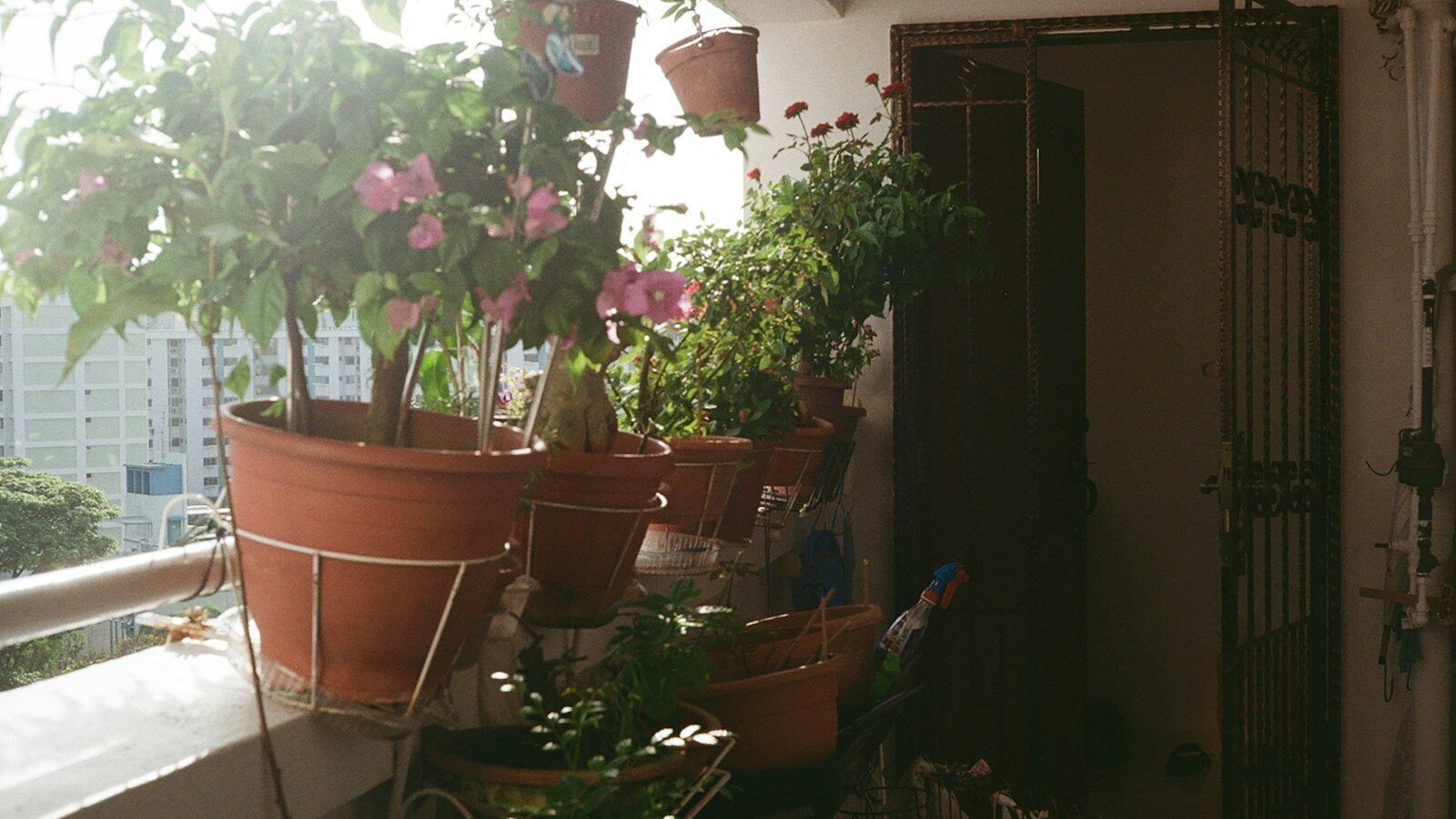
Give them bright light, but shelter from the harshest midday and afternoon sun, which in our tropics can scorch and overheat potted roots. A spot with strong morning sun and afternoon shade is often the sweet spot. Above all, prize airflow. A breezy, open position, such as an exposed balcony ledge, dries the foliage between rains and dramatically reduces the fungal problems that kill these plants in still, muggy corners. Space plants apart rather than crowding them.
A Realistic Variety Guide
Here is how the common Mediterranean herbs tend to fare in our climate, so you can choose where to spend your effort.
| Herb | Tropical outlook | Key to survival |
|---|---|---|
| Thyme | Among the more manageable | Sharp drainage, part shade, airflow |
| Oregano | Often does reasonably well | Dry-leaning mix, regular trimming |
| Rosemary | Difficult, prone to sudden rot | Grittiest mix, shelter from heavy rain |
| Sage | Struggles with humidity | Best airflow, treat as short-lived |
| Marjoram | Hardier types can cope | Part shade, avoid waterlogging |
Watering, Feeding and Upkeep
Water less than instinct tells you. Let the top few centimetres of mix dry out before watering again, and water at the base in the morning so foliage dries through the day. During rainy spells, move pots under cover if you can, since prolonged wet is the single biggest killer.
These herbs are light feeders that actually prefer lean conditions, so go easy on fertiliser. A weak dose of balanced liquid feed occasionally is plenty; overfeeding produces soft, floppy growth that rots and disappoints on flavour. Store and apply any fertiliser well away from food preparation areas, following the label. In fact, the intense oils that give these herbs their fragrance develop best when the plant is a little stressed and lean, so resist the urge to pamper them the way you would a leafy vegetable. Trim and pinch regularly to encourage bushy growth and improve airflow within the plant, and remove any yellowing or spotted leaves promptly to slow disease.
Watch for the fungal problems our humidity loves, along with the odd aphid or whitefly. Better airflow and drier foliage prevent most trouble; a wipe with diluted soap solution handles minor pests.
Getting the Most From a Short Season
Because some of these herbs are short-lived here, it pays to harvest generously while they are thriving rather than waiting for a bigger plant that may never come. Snip sprigs regularly, use them fresh, and dry any surplus, since dried thyme and oregano keep their fragrance well. If a rosemary or sage plant declines despite your best efforts, do not take it personally; even experienced local growers lose them, and replacing a plant now and then is simply part of the game.
Always wash homegrown herbs before eating, since potting mix and organic matter can cling to the leaves. A quick rinse under running water suffices, and a gentle pat dry keeps the delicate foliage from bruising.
Taking cuttings is a smart insurance policy with these herbs. Snip a few healthy sprigs of thyme, oregano or rosemary, strip the lower leaves and root them in a fresh gritty mix, so that if the parent plant succumbs to rot you already have replacements coming on. Keeping two or three small pots on the go, rather than one prized specimen, spreads the risk and means a single bad wet spell never wipes out your whole supply.
Enjoying Them Realistically
The honest verdict is that growing Mediterranean herbs Singapore homes can manage, but on the tropics’ terms, not the herbs’. Lead with the tougher thyme and oregano, give everything gritty fast-draining mix, part shade and the breeziest spot you have, and accept that rosemary and sage may be beautiful, fragrant guests rather than long-term residents. Approached this way, with modest expectations and sharp drainage, you can still fill your kitchen with homegrown aroma, and every sprig will feel like a small victory against the climate.
Explore more
How to Grow Herbs at Home
Growing Mint and Basil
How to Grow Pandan and Local Herbs
Understanding Soil and Potting Mix