
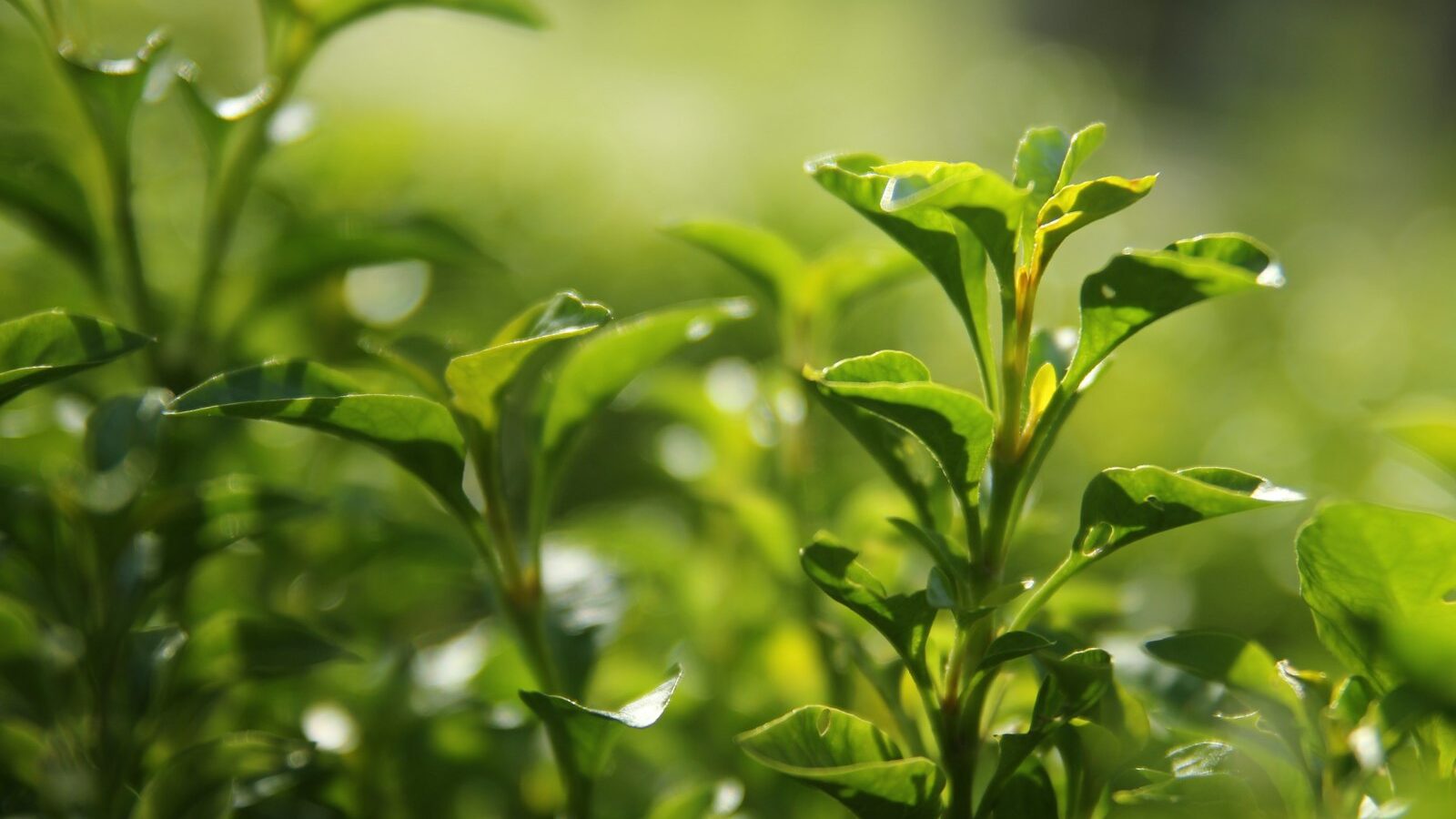
Roselle, sometimes sold as sour leaf or by its Malay name asam paya, is one of the most rewarding edibles you can raise in a hot climate, which makes growing roselle in Singapore a genuine pleasure rather than a struggle. The plant loves heat and sun, shrugs off our humidity, and gives you deep red calyces that brew into a tart, cranberry-like tea and set beautifully into jam. If you have a sunny balcony, a corridor spot that catches a few hours of light, or a patch in a community garden, you already have the makings of a small roselle harvest.
This guide walks you through the whole journey, from sowing a seed to picking the fleshy calyces and turning them into something you can drink or spread on toast. It is a forgiving crop, so it is a lovely one to try if you are still building confidence with edibles.

Getting Roselle Started From Seed
Roselle (Hibiscus sabdariffa) is grown as an annual here, and it is easiest to raise from seed. You can save seeds from a previous crop or buy a packet; either way, sow into a moist, free-draining potting mix. If you are new to raising plants this way, our guide to seed starting for beginners covers the basics of trays, depth, and keeping seedlings healthy.
Push each seed about one to two centimetres into the mix and keep it damp but not soggy. In our warmth, germination is usually quick, often within a week or so. Once seedlings have a few true leaves and are sturdy enough to handle, move them into their final home.
Roselle grows into a substantial, branching shrub that can reach chest height or taller, so it needs room. A large pot of at least twenty to thirty litres, a deep grow bag, or an open bed suits it best. Choose the biggest container you can spare, because a cramped root system means a smaller plant and fewer calyces. Full sun is important; roselle wants six hours or more of direct light to flower well, so a sunny balcony or an open community plot beats a shady corner.
Caring for Your Plant Through the Season
Roselle is refreshingly low-fuss once it is settled. Water regularly so the mix stays evenly moist, especially in a pot on a breezy balcony where things dry out fast, but avoid leaving it standing in water. During heavy monsoon downpours, make sure containers drain freely so the roots do not sit sodden.
Feed it every few weeks through the growing months. A balanced feed early on encourages leafy growth, and you can lean towards something with more potassium as flowering approaches to support the calyces. If you prefer to keep things natural, homemade options work well, and our piece on DIY organic fertilisers from kitchen waste has easy recipes.
As the plant grows tall it can become top-heavy and catch the wind, so staking is worthwhile on an exposed balcony. Pinching out the growing tips when the plant is young encourages a bushier shape with more branches, and more branches means more flowers and ultimately more calyces to harvest.
Watch for the usual tropical pests. Roselle can attract aphids and the occasional caterpillar or mealybug. Check the undersides of leaves regularly, wipe off small infestations, and only reach for sprays as a last resort, using any product exactly as directed and keeping it away from the parts you plan to eat. Our overview of how to deal with plant pests explains gentle, food-safe approaches.
Harvesting the Calyces
The part you want is not the flower itself but the calyx, the fleshy red cup that swells around the seed pod after the pale yellow flower fades. Roselle flowers open and drop within a day, and the calyx develops over the following one to two weeks.
Harvest when the calyces are plump, deep red, and still tender enough to snip easily with scissors or secateurs. If you leave them too long they turn woody and dry, which is fine if you actually want dried calyces for storage, but less good for fresh jam. Pick regularly, because steady harvesting encourages the plant to keep producing.
Only eat calyces from a plant you have grown and can positively identify as edible roselle. To use them, twist or cut the fleshy red calyx away from the hard central seed pod. A quick way is to press a chopstick or corer through the base to push the seed pod out, leaving you with the clean red cup. Rinse the calyces in clean water before you cook or brew them.
Making Roselle Tea and Jam
For tea, use fresh or dried calyces. Simmer a handful in water for several minutes until the liquid turns a rich ruby red, then strain. It is naturally tart, so sweeten to taste with a little sugar or honey, and it is lovely served chilled over ice on a sticky afternoon. If you dry your own calyces to store, make sure they are fully dry, then keep them somewhere clean, dry, and airtight so they do not go mouldy in our humidity.
For jam, roselle is a joy because the calyces are naturally high in pectin, so they set readily. Simmer the cleaned calyces with sugar and a little water until soft and thickened, stirring so it does not catch. Spoon into clean, sterilised jars while hot. Because you are storing food, keep everything scrupulously clean and refrigerate the jam once opened.
A Rewarding Crop for Small Spaces
Roselle rewards very little effort with a genuinely useful harvest, which is why so many home gardeners here grow it year after year. It thrives in our heat, copes with humidity, and gives you both a refreshing drink and a homemade preserve from a single plant. If you enjoy it, you might branch into other edibles; our guide on how to start a small edible garden is a friendly next step. Give roselle a sunny spot, keep it watered and fed, and you will be brewing your own ruby tea before you know it.
Frequently Asked Questions
How long does roselle take to produce calyces after sowing? It takes several months from seed to harvest, and times vary with sun, feeding and variety. Expect leafy growth first, then flowers, then calyces over the following weeks. A sunny spot and a big pot speed things along.
Can I drink roselle tea every day? Many people enjoy it as an occasional drink, but it is not suitable for everyone, so ask a doctor if you are pregnant, take regular medication or have a health condition. Moderation is sensible with any herbal tea.
How do I dry roselle calyces to store? Remove the seed pods, spread the calyces out in a clean, airy spot until completely dry, then store them airtight. In humid Singapore, any remaining moisture leads to mould, so make sure they are fully dry before sealing.
Can the leaves of the roselle plant be eaten? Roselle leaves are known as sour leaf and are used in cooking in some places, but only eat what you have grown and can positively identify. Use clean leaves, and if unsure how to prepare them, follow a trusted recipe.
Can I grow roselle on a shady HDB corridor? It is difficult, as roselle needs six hours or more of direct sun to flower well. A dim corridor will give a leggy plant with few calyces. A sunny balcony or open community garden plot is a much better choice.