
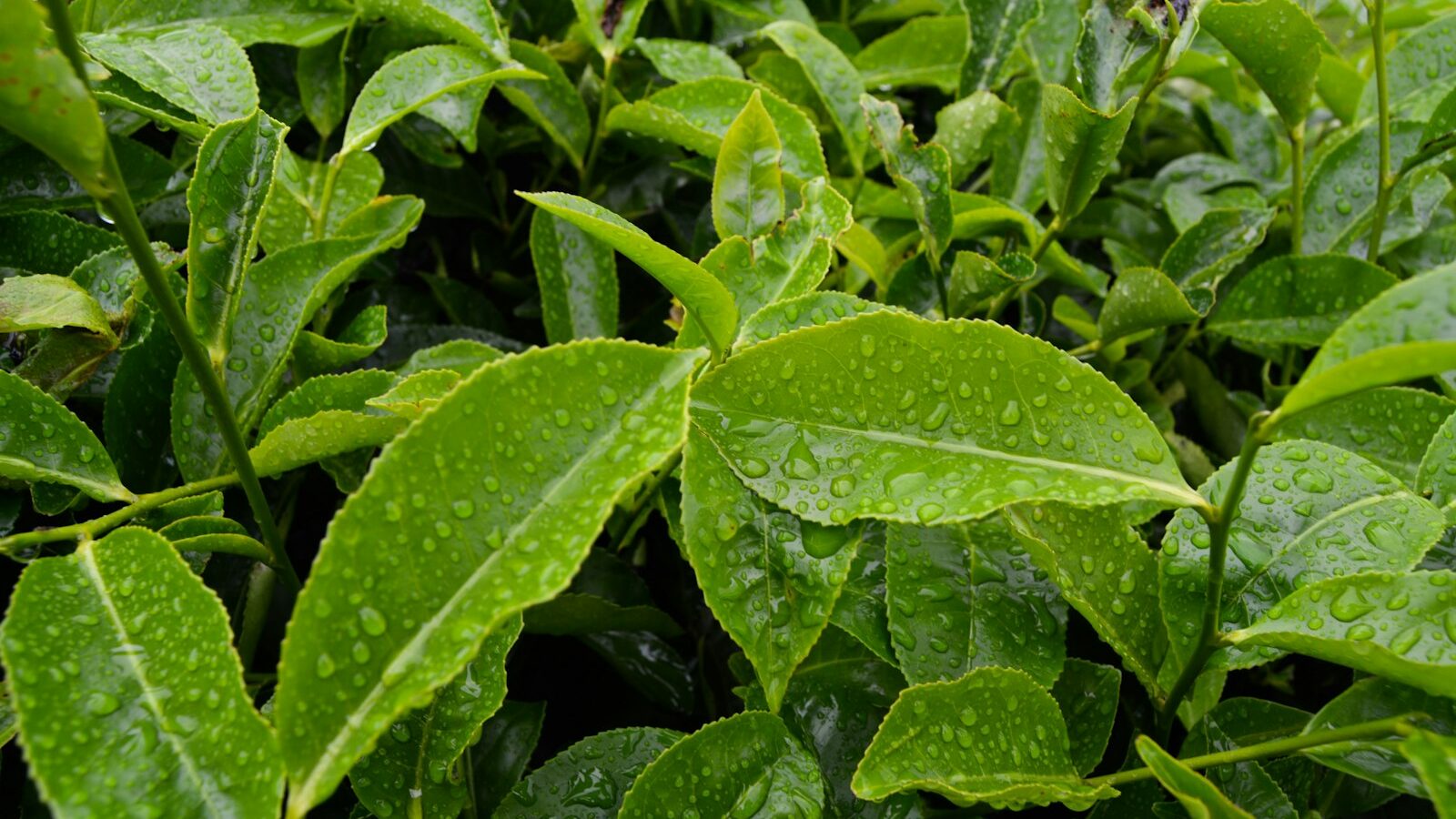
Nothing beats a cup brewed from leaves you picked minutes earlier. A tea garden, a small collection of herbs and flowers grown for infusing, is one of the most useful and rewarding things to keep on a Singapore balcony. Most of the classic tisane plants are tough, aromatic herbs that revel in our year round warmth, growing happily in pots on a sunny HDB or condo ledge. A tisane, by the way, is simply a herbal infusion, any brew made from plants other than the true tea bush. This guide shows you what to grow, how to keep it thriving in the tropics, and how to harvest and brew it safely.
This is general information for home gardeners, not medical advice.
What Goes Into a Tea Garden
The beauty of a tisane garden is that most of the plants are forgiving herbs you can start cheaply and multiply yourself. Pick a few you actually like to drink rather than trying to grow everything at once.
- Mint: The classic. Fast, vigorous and best kept in its own pot because it spreads. Spearmint and peppermint both make a clean, refreshing brew.
- Lemongrass (serai): A tropical star that thrives in our heat. Its stalks and leaves make a fragrant, citrusy tea and it grows into a lush clump.
- Lemon balm: A soft, lemony mint relative that makes a gentle, calming infusion. Give it a little shade from the harshest midday sun.
- Pandan: The scent of local kitchens. A few leaves add a sweet, nutty aroma to a pot of tea or to other tisanes.
- Butterfly pea: The blue flowered vine whose blooms make a striking colour changing tea. See our guide to growing butterfly pea flowers.
- Roselle and ginger: Roselle calyces give a tart red brew, and a slice of home grown ginger warms any cup.
- Holy basil and lemongrass companions: Aromatic basils and other soft herbs round out the collection.
Group plants with similar needs together, and keep the vigorous spreaders like mint in separate pots so they do not swamp the others.
Growing Herbs in Pots for the Tropics
Container growing suits high rise living and lets you move plants to chase the sun or dodge a battering downpour. The essentials are sun, drainage and steady moisture.
- Give most herbs sun. Aim for four to six hours of direct light. Lemongrass and mint want it bright, while lemon balm appreciates some afternoon shade in our fierce sun.
- Choose the right pots. Use containers with drainage holes and a free draining potting mix. Lemongrass and pandan grow large, so give them roomy pots.
- Water steadily. Herbs in pots dry fast in our heat, so check daily and water when the top of the mix dries. Empty saucers after watering and after rain so they never sit full, protecting roots and denying Aedes mosquitoes a breeding site, in line with the Mozzie Wipeout habit.
- Feed lightly and regularly. Leafy herbs appreciate a gentle, regular feed. A diluted homemade feed from our DIY organic fertilisers from kitchen waste guide keeps them productive.
- Harvest to shape. Regular picking keeps herbs bushy and stops them getting leggy, so brewing tea is also good pruning.
Watch for aphids, whiteflies and the odd caterpillar on soft herbs. Since you will be drinking these leaves, favour physical control: pick off pests, blast them with water, or net vulnerable plants. If you ever spray, test on a few leaves first, spray in the cooler hours out of direct sun, keep it off leaves near harvest, and follow the label. Never brew leaves that may carry spray residue.
Sun, Shade and Water at a Glance
Different herbs have slightly different preferences. This comparison helps you place each pot.
| Herb | Light | Water | Note |
|---|---|---|---|
| Mint | Sun to part shade | Keep evenly moist | Vigorous, pot it alone |
| Lemongrass | Full sun | Moderate to plenty | Loves heat, grows into a clump |
| Lemon balm | Part shade | Keep moist | Soften the midday sun |
| Pandan | Bright, part shade | Moist | Slow but tough and long lived |
| Butterfly pea | Full sun | Water when dry on top | Climbing vine, needs a trellis |
Use this to group your pots sensibly: sun lovers on the brightest railing, the softer, shade tolerant herbs a little back from the harshest light.
Harvesting, Brewing and Doing It Safely
Fresh herbs make a livelier brew than anything dried and bagged, and picking little and often keeps the plants in good shape.
- Pick in the morning when the aromatic oils are strongest, taking healthy leaves or stems and leaving enough for the plant to recover.
- Wash before brewing. Rinse the leaves or flowers to remove dust and any hidden insects.
- Brew fresh or dry for later. For a fresh cup, steep a small handful of leaves, a stalk of bruised lemongrass or a few butterfly pea flowers in hot water for a few minutes. To store, dry herbs in a warm, airy, shaded spot until crisp, then keep them in an airtight jar.
- Combine thoughtfully. Mint with lemongrass, lemon balm with butterfly pea, or ginger with roselle all make pleasant blends. Adjust to taste.
Safety still applies even to friendly kitchen herbs:
- Brew and drink only plants you have positively identified as edible and grown yourself without pesticides. Never use a leaf, flower or berry you are not certain about, as toxic lookalikes exist among ornamentals.
- Try a small amount of any new tisane first, in case of an allergy or sensitivity, and stop if you react.
- Take extra care if pregnant, breastfeeding, on medication or giving tea to young children. Some herbs are stronger than they seem, so check with a doctor or pharmacist before making any herbal tea a regular habit.
- This remains general information for home gardeners, not medical advice.
A tea garden is a small, deeply satisfying project: a handful of pots that scent your balcony, keep giving for years, and turn an ordinary evening into a fresh brewed one. Start with mint and lemongrass, add a butterfly pea vine for colour, and grow your collection a cup at a time.
Explore more: growing edible flowers and growing aloe vera at home.