
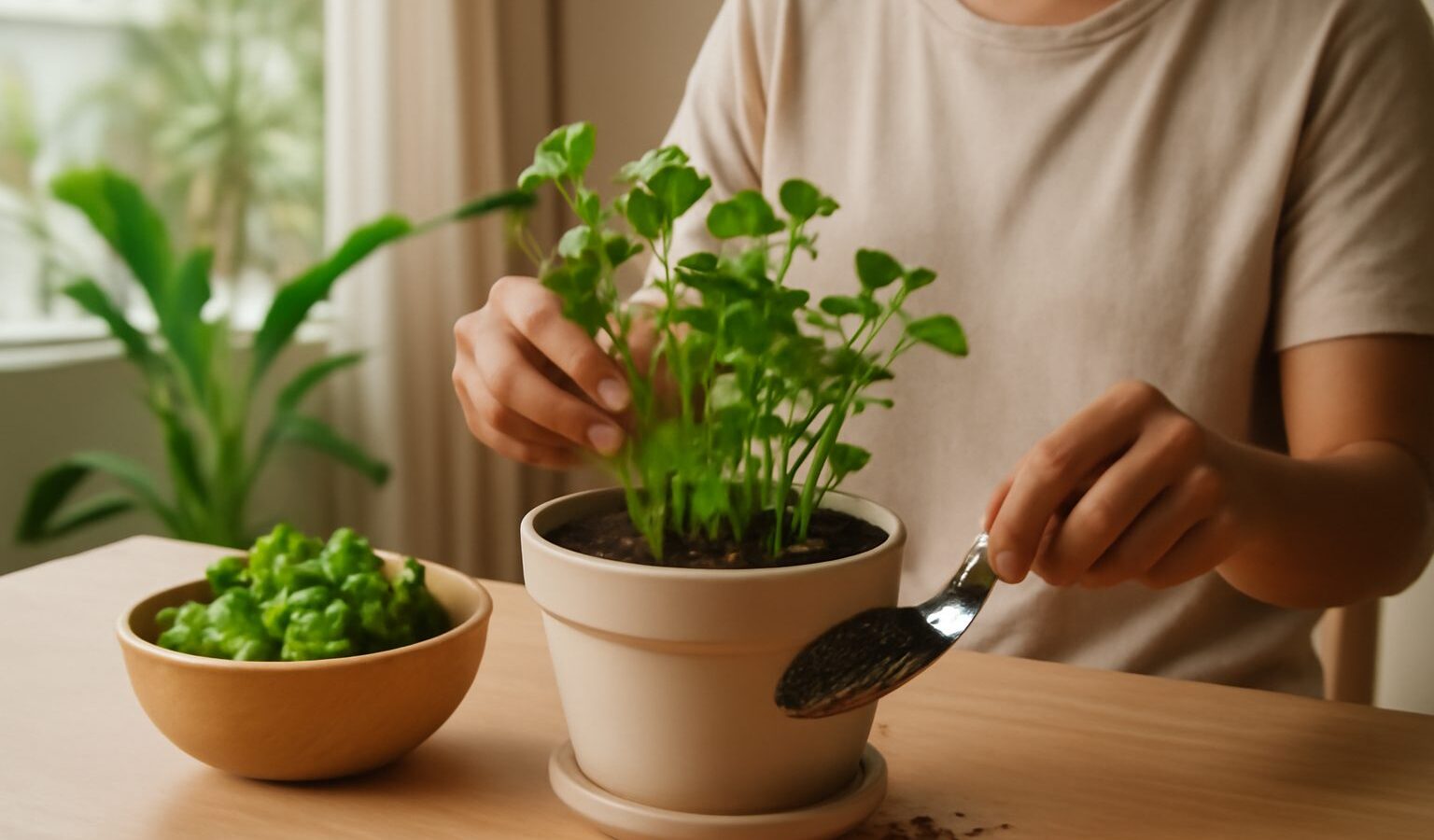
Peppery, crisp, and quick to establish, watercress is a fun crop for anyone who loves a leafy addition to soups and sandwiches. Growing watercress singapore style is very possible on a balcony or by a bright window, as long as you give it what it craves most: cool, clean, moving water and a shady spot. This is a water loving plant, so the biggest thing to get right is not the growing, but keeping that water safe and fresh in our hot climate.
Watercress naturally grows in gently flowing streams, so it likes its roots wet and its leaves in bright, indirect light. The good news is you do not need a stream. A shallow container, a jar, or a simple recirculating setup will do. The care is easy once you understand what the plant wants.

Mosquito Safety Comes First
Any container that holds standing water is a potential Aedes mosquito breeding site, and in Singapore that is a serious concern. Before anything else, plan how you will keep the water from stagnating. Do not let a still, uncovered tub sit for days.
The safest approaches are to keep the water moving with a small pump, to change the water every day or two, and to cover any open reservoir with fine mesh so mosquitoes cannot lay eggs. Scrub containers and saucers regularly, and never leave forgotten trays of water around your plants. Follow current NParks and NEA guidance on preventing mosquito breeding, and do a quick weekly check of every water holding item on your balcony. Our guide to plants that repel mosquitoes and insects singapore is a helpful companion, though nothing replaces simply not letting water stagnate.
Setting Up and Growing Watercress
You can start watercress from seed or from a cutting. A common shortcut is to buy a fresh bunch, pick the healthiest stems, and pop them in a glass of clean water. Within days you should see white roots. Once rooted, move them into your growing container.
Fill a shallow, wide container with a well draining potting mix, then keep it sitting in a tray of clean water so the soil stays constantly wet, or grow the plants in a soilless setup where roots sit in flowing water. Either way, the roots must stay moist at all times. Watercress wilts fast if it dries out.
Place the container in bright but indirect light. Harsh, all day tropical sun heats the water and stresses the plant, so morning light with afternoon shade works well. Warm, still water encourages algae and, worse, mosquitoes, which is another reason to keep it cool, shaded, and moving.
Feed lightly with a balanced fertiliser at the rate on the label, since too much can taint the flavour and encourage algae. If you enjoy water based growing, you may also like aquaponics at home singapore, which runs on the same clean water principles. For a soil grown cousin that thrives in our heat, growing kangkong water spinach singapore is a reliable local favourite.
Harvesting and Eating Safely
Watercress grows quickly, and you can begin snipping the top few centimetres of stem once the plants are established and bushy. Regular trimming keeps them tender and encourages fresh growth, so harvest little and often. Pinch just above a leaf node and the plant will branch out.
Because watercress is grown in water, food safety matters. Water grown greens can carry pathogens if the water is not clean, so use clean water throughout, wash the leaves very thoroughly before eating, and ideally cook them, for example in a soup, rather than always eating them raw. Be completely sure of what you are growing, and never eat an unknown or foraged look alike from a drain or waterway. If you have any doubt about your water source or setup, cooking is the safer choice.
A container of watercress fits neatly into a compact balcony, and it pairs well with other edibles if you are short on room. For layout ideas, see container gardening for small spaces singapore. Keep the water clean and moving, give it gentle light, and mind those mosquito reminders, and you will have a steady supply of peppery leaves from one of the more unusual crops you can grow at home.
Frequently Asked Questions
How often should I change the water for watercress? Change it every day or two, or keep it moving with a small pump. Still water that sits for days encourages algae and Aedes mosquitoes, so scrub the container regularly and cover any open reservoir with fine mesh.
Can I regrow watercress from supermarket stems? Yes, that is a common shortcut. Pick the healthiest stems from a fresh bunch and stand them in a glass of clean water, and white roots should appear within days. Once rooted, move them into your growing container and keep the roots wet.
Is watercress safe to eat raw if I grow it myself? Not always. Because it grows in water, it can carry pathogens if the water is not clean. Use clean water, wash the leaves very thoroughly, and cook it, for example in soup, if you have any doubt about your setup.
Can I grow watercress in a sunny HDB window? Direct all-day sun is a poor fit. It heats the water and stresses the plant, so bright but indirect light or morning sun with afternoon shade works better. A window that bakes in the afternoon will need shading.
What is the difference between watercress and kangkong to grow? Watercress wants cool, clean, flowing water and shade, with a strong need to avoid stagnant water. Kangkong, mentioned as a soil-grown cousin that thrives in our heat, is a more heat-tolerant local favourite, so it can be easier for beginners.