
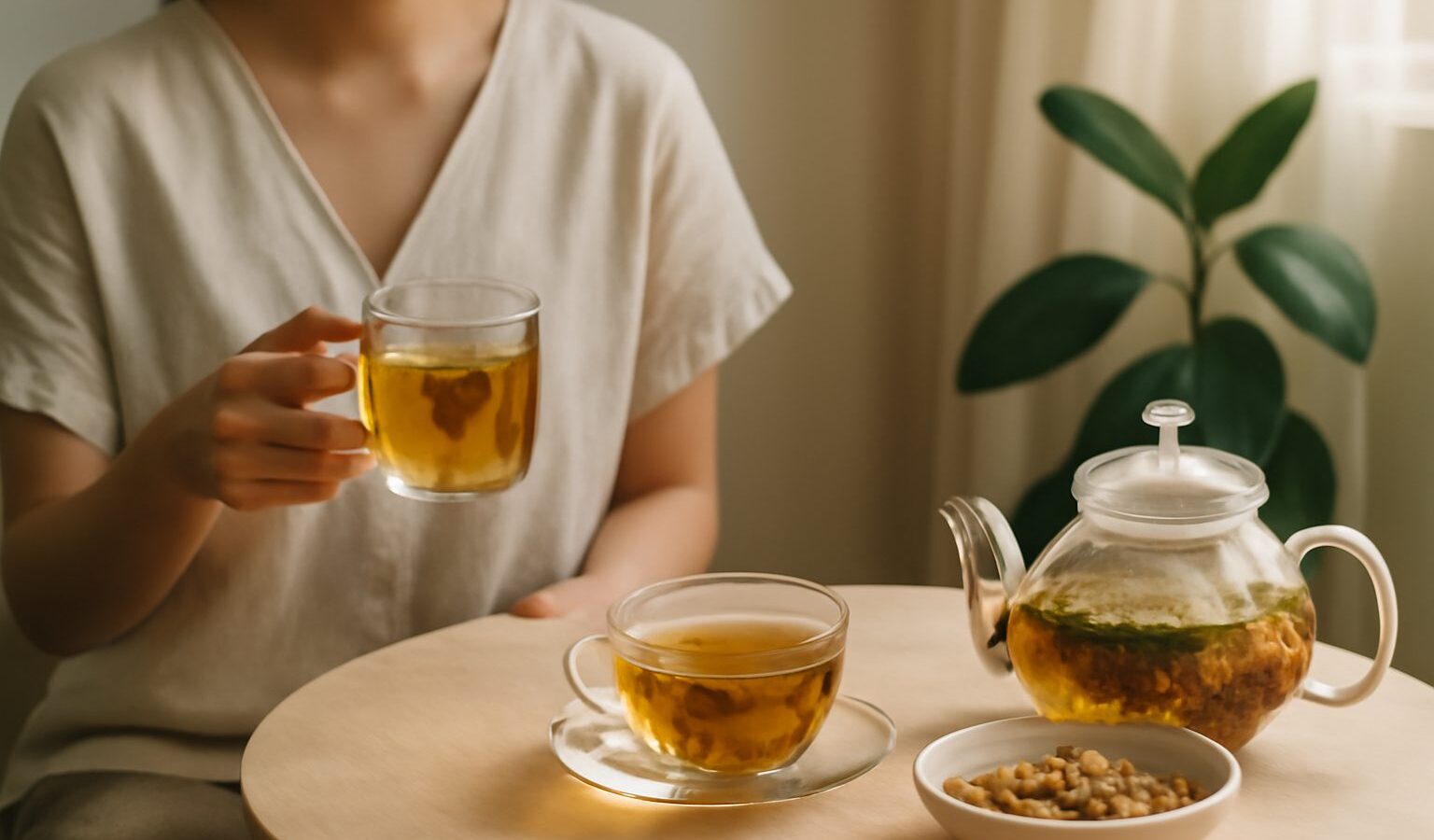
There is something quietly soothing about wrapping your hands around a warm cup at the end of the day. Long before the tea does anything to your body, the small ritual of making it, waiting for it to steep, and sipping it slowly already helps you downshift. That is a big part of why herbal teas have stayed popular as a wind-down habit. If you are looking at herbal teas in Singapore as a gentle self-care ritual, this guide walks through the ones people commonly reach for, how to brew them well, and the safety points that genuinely matter. The tone throughout is honest: these are pleasant relaxation drinks, not medicine.
Popular Choices for Winding Down
Strictly speaking, most of these are not teas at all, since they do not come from the tea plant. They are infusions of dried flowers, leaves, roots, or spices, which is why they are naturally caffeine-free and easy to enjoy in the evening. A few that people often turn to when they want to relax:
- Chamomile, with its mild, apple-like flavour, is probably the classic bedtime infusion and a gentle place to start.
- Peppermint is bright and refreshing, and many people find it comforting after a meal.
- Lemongrass and ginger are familiar and widely available here, warming and aromatic.
- Rooibos, from South Africa, is naturally caffeine-free, smooth, and slightly sweet.
- Lavender, often blended with other herbs, brings a distinctive floral note that some find very calming and others find too strong, so it is worth trying in a blend first.
Flavour is personal, so the best approach is to sample a few and notice which ones you actually look forward to. The enjoyment is the point. A drink you like and return to will do far more for your evening calm than one you force down because it is meant to be good for you.
It is worth keeping expectations realistic. A warm, caffeine-free drink and a few quiet minutes can absolutely help you feel more relaxed, and that comfort is real. But herbal teas are a self-care ritual, not a treatment, and no honest guide should promise that a cup will cure poor sleep, anxiety, or any health condition. If sleep or stress is a persistent problem, that is a conversation for a doctor, and our notes on managing stress and relaxation offer a wider set of gentle tools to lean on.
How to Brew a Good Cup
Getting a satisfying cup is mostly about giving the herbs enough time and heat. Herbal infusions generally like water that is close to boiling, and they usually need a longer steep than green or black tea to draw out their flavour.
A simple approach that works well:
- Use fresh, just-boiled water for most herbal blends.
- Steep for around five to ten minutes, longer than you would for regular tea, and cover the cup to keep the aromatic oils in.
- Taste as you go, since some herbs turn bitter if left too long while others need the full time to bloom.
- Skip the milk for most herbal infusions, though a little honey or a slice of lemon can be a nice touch.
In our humid climate, a warm cup in the evening can feel counterintuitive, but many people still find it settling, and the aircon usually makes it pleasant enough. If you prefer, most of these also work chilled or over ice, which keeps the ritual without the heat. Building a small routine around it, perhaps as part of a broader self-care routine, is often where the real benefit lies.
Safety Points That Matter
This is the part to read carefully, because natural does not automatically mean harmless. Herbal teas contain active plant compounds, and a few practical cautions apply.
First and most importantly, herbal teas can interact with medication or be unsuitable during pregnancy or breastfeeding. Some herbs affect how the body handles certain drugs, and some are best avoided when expecting. If you take regular medication, are pregnant, are trying to conceive, or are breastfeeding, please check with a doctor or pharmacist before making any herbal tea a daily habit. This is not scaremongering, just sensible caution with anything containing active botanicals.
A few more everyday points:
- Introduce new herbs one at a time, so if anything disagrees with you, you know the culprit.
- Watch for allergies, especially if you react to certain flowers or plants, since some infusions come from related families.
- Moderation is wise, because very large amounts of any single herb are not a good idea.
- Be a little wary of dramatic marketing claims, particularly around detox or slimming blends, which often overpromise.
If you are drawn to the wider world of botanicals, our piece on adaptogens and herbal wellness takes an honest look at that trend and its limits too.
A friendly wrap-up. Herbal teas are a lovely, low-cost way to build a calming ritual into your evening, and the warmth, aroma, and quiet moment are genuine comforts. Choose the flavours you enjoy, brew them properly, and treat them as a pleasant part of winding down rather than a remedy. When it comes to medication, pregnancy, or a health concern that will not settle, always check with a doctor or pharmacist first.