
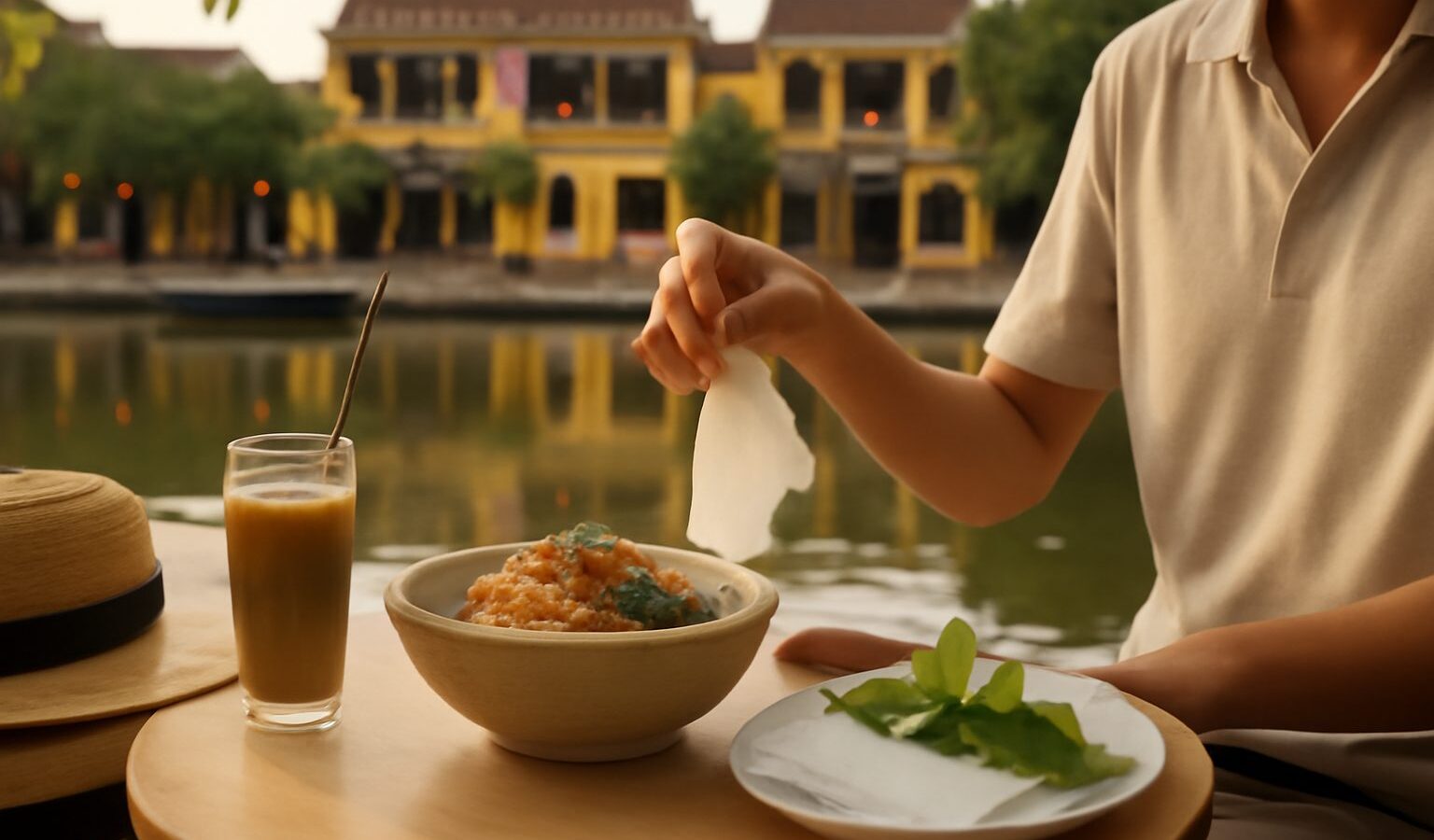
Some places grow on you slowly, and some win you over the moment you step off the coach into the old streets. Hoi An belongs firmly in the second group. Planning a trip to Hoi An from Singapore puts you within easy reach of one of Southeast Asia’s most photogenic towns, a low-rise riverside quarter of mustard-yellow shophouses, silk lanterns and tailor shops that has kept its old soul even as the crowds have grown. It is compact, walkable and gentle in pace, which makes it a lovely counterpoint to the neon and noise many of us are used to back home.
This guide walks you through why Hoi An is worth the trip, when to visit, how to get there in broad terms, where to base yourself, and what to eat and do once you arrive. Prices, flight schedules and visa rules change over time, so treat everything here as a starting point and check current details and your own visa requirements before you book.
Why Hoi An Is Worth The Trip
Hoi An was once a busy trading port where Chinese, Japanese, Vietnamese and European merchants all left their mark, and the Ancient Town still wears that history openly. The result is an old quarter unlike anywhere else in the region: wooden shopfronts, an old covered Japanese bridge, assembly halls with incense curling into the air, and narrow lanes that glow after dark when the lanterns come on.
Beyond the postcard views, there are a few practical reasons it suits Singapore travellers so well:
- It is small and flat, so you explore on foot or by bicycle rather than fighting traffic.
- It punches far above its weight for food, from street stalls to riverside restaurants.
- It pairs beaches, countryside and history in one compact area, which is ideal for a short break.
- Tailors here can turn around custom clothing quickly, a long-standing draw for visitors.
If you like your holidays walkable, relaxed and full of good eating, Hoi An delivers on all three.
Best Time To Visit
Central Vietnam has a different rhythm from the Singapore weather we are used to. Broadly, the drier, more comfortable stretch runs across the earlier months of the year through to around mid-year, when skies are clearer and the heat is manageable for wandering the old town. The middle of the year can get genuinely hot, so you will want early mornings, long lunches and a lazy afternoon by the pool or beach.
The later months bring the wet season, and central Vietnam is prone to heavier rain and occasional flooding around this time, with the low-lying old town sometimes affected. It is not a reason to stay away, but it is a reason to watch the forecast, keep your plans flexible and pack a light rain layer. Many travellers time their visit to catch the monthly full-moon lantern nights, when motorbikes are kept out of the centre and the streets fill with candlelit lanterns and floating lights on the river.
Getting There From Singapore
Hoi An does not have its own airport. The gateway is the nearby coastal city of Da Nang, and from there it is a short onward road transfer down the coast to Hoi An, roughly on the order of under an hour depending on traffic and exactly where you are staying.
In broad terms, flying to central Vietnam from Singapore is a medium-haul journey of a few hours, whether you go direct where available or connect through another regional hub. A mix of full-service and budget carriers serve the route, so compare options for your dates. Once you land in Da Nang, common ways to reach Hoi An include a pre-booked hotel transfer, a metered or app-based car, or a private driver, all easy to arrange in advance.
A quick word on paperwork: entry requirements for Vietnam can change, so confirm the current visa or e-visa situation for Singapore passport holders, along with passport validity rules, well before you travel. Flight schedules and fares also shift constantly, so verify live details rather than relying on any figure you read online.
Where To Base Yourself
Hoi An is small, but where you sleep still shapes your trip. Here is a rough comparison of the main options to help you choose.
| Area | Character | Best for |
|---|---|---|
| Ancient Town edge | Steps from the lanterns, lively, walkable | First-timers who want history on their doorstep |
| An Bang Beach | Relaxed seaside, cafes and sand | Beach days and a slower pace |
| Rural rice-field fringe | Quiet homestays among paddies | Cycling, calm and countryside views |
| Da Nang city | Bigger-city buzz and long beaches | Those combining Hoi An with a city stay |
Many visitors stay near the Ancient Town so they can wander in and out through the day, then use a bicycle or short ride to reach the beach. If you want sand as your priority, base yourself around An Bang and dip into town in the evenings. Accommodation ranges from simple guesthouses to smart resorts, so pick to suit your budget and check recent guest reviews before booking.
Top Things To Do
You could happily spend your days doing very little in Hoi An, but a few experiences stand out:
- Wander the Ancient Town on foot, ideally early morning and again after dark when the lanterns glow.
- Cross the old Japanese covered bridge and step into a couple of the historic assembly halls.
- Cycle out through the rice paddies to An Bang Beach for a swim and a seafood lunch.
- Take a short basket-boat ride or river trip and, on lantern nights, float a candle on the water.
- Book a hands-on Vietnamese cooking class, often starting with a morning market visit.
- Get something tailored, allowing enough time for fittings before you fly home.
Because the town is so compact, you can weave several of these into a single unhurried day without feeling rushed.
Eating Your Way Through Hoi An
Food is one of the best reasons to come. Central Vietnamese cooking is distinct, and a few dishes are practically local institutions. Look out for cao lau, a pork-and-noodle dish said to be unique to Hoi An, and white rose dumplings, delicate translucent parcels served with crispy shallots. You will also find excellent banh mi, fresh rice-paper rolls, and clay-pot and grilled seafood down by the water.
Eat where the queues are, mix street stalls with sit-down spots, and do not skip the Vietnamese coffee. As with anywhere, choose busy stalls with high turnover, drink bottled or filtered water, and ease into the spice if you are sensitive to it.
Practical Tips For Singapore Travellers
- Carry some local cash for stalls and markets, even though cards work in bigger venues.
- Bring comfortable shoes; you will walk and cycle far more than you expect.
- Sun is strong by midday, so pack sunscreen, a hat and a refillable water bottle.
- Keep a light rain layer handy in the wetter months.
- Agree on prices before rides or purchases, and browse a few tailors before committing.
- Respect the calm; Hoi An rewards a slower, gentler kind of holiday.
Hoi An is one of those rare destinations that feels both easy and special. Give it a few unhurried days, let the evenings run long under the lanterns, and it may just become the trip you talk about for years.
Explore more
If Hoi An has you dreaming of central Vietnam, read our broader Vietnam from Singapore guide and our take on the beachy Nha Trang from Singapore for ideas on pairing coast with culture. Before you fly, it is worth a look at visa-free countries for Singaporeans to sanity-check your paperwork, and our Changi Airport guide to make your departure smooth.