
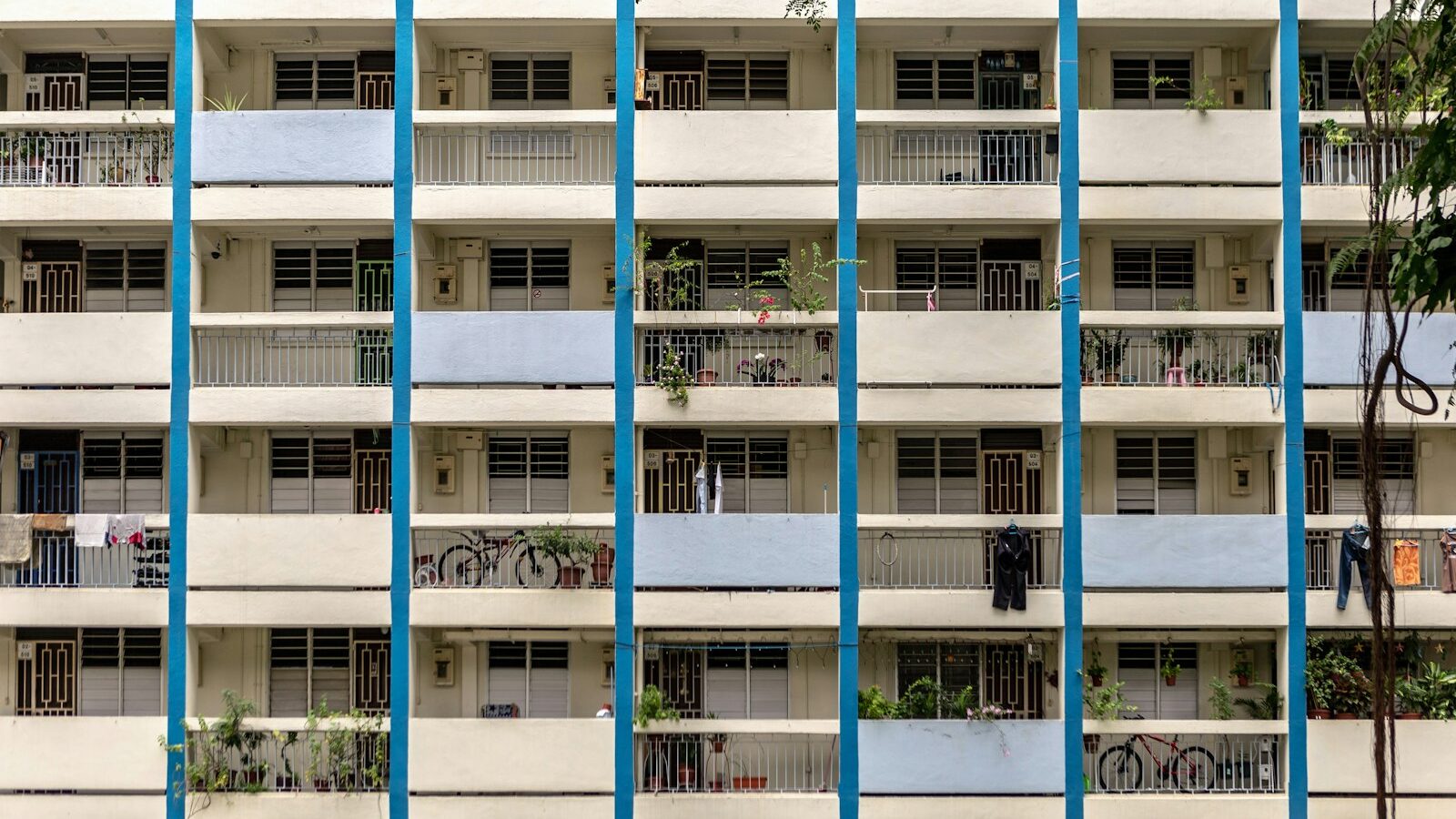
Cooling a west-facing flat is one of the most common comfort challenges in Singapore, because those units take the full force of the afternoon sun just as the day is at its hottest. By late afternoon, west-facing rooms can feel noticeably warmer than the rest of the home, with glare on screens and heat radiating off the windows well into the evening. The good news is that a handful of practical, honest measures can make a real difference. None of them are miracle fixes, but together they add up.
Why west-facing flats heat up
The sun sits low in the western sky during the hottest part of the afternoon. That low angle sends sunlight straight through your windows rather than over the roof, so a west-facing living room or bedroom catches direct sun for hours. Glass lets that heat in and traps it, and surfaces such as floors, walls and furniture soak it up and re-radiate warmth even after sunset.
Understanding this points to the fix. You want to stop as much heat as possible before it enters, remove the heat that does get in, and avoid adding to it. Let us take each in turn.
Block heat at the window first
The single most effective place to act is the window, because stopping heat before it enters is far easier than removing it afterwards.
Blinds and curtains. Closing blinds or curtains during the peak afternoon hours cuts direct sun dramatically. Light-coloured or reflective-backed window dressings work best, as they bounce sunlight away rather than absorbing it. Blackout or thermal-lined curtains in a bedroom can make a real difference to evening comfort.
Reflective or solar window film. Applying a reflective or tinted film to the glass reduces heat and glare while still letting some light through. It is a modest, one-time change that many west-facing households find genuinely helpful. Films vary, so choose one rated for heat rejection, not just privacy.
External shade. If you have a balcony, service yard or the option of outdoor blinds, shading the glass from outside is even more effective than shading it from inside, because the heat never reaches the glass.
Comparison: what actually helps most
Every option has a different cost, effort and payoff. Here is an honest ranking to help you prioritise.
| Measure | Effort and cost | Cooling impact |
|---|---|---|
| Closing blinds in the afternoon | Very low | High, and free |
| Reflective or solar window film | Medium, one-off | High |
| Ceiling or standing fan | Low to medium | High for comfort |
| Cross-ventilation in the evening | Low | Medium to high |
| Light-coloured thermal curtains | Medium | Medium to high |
| Plants on balcony or sill | Low | Low to medium |
The theme is consistent: cheap habits like closing blinds do a lot, while film and fans give the biggest lasting gains.
Move air to feel cooler
You cannot always lower the actual temperature much without air conditioning, but moving air makes you feel cooler by helping sweat evaporate. This is why fans are so valuable.
- A ceiling fan cools the people in a room efficiently and pairs well with air conditioning, letting you set the aircon a little higher and still feel comfortable.
- A standing or tower fan is a flexible, lower-cost option you can aim where you need it.
- Positioning a fan to draw cooler evening air in from a shaded side of the flat helps flush out trapped heat.
Remember that fans cool people, not empty rooms, so switch them off when you leave.
Use cross-ventilation and timing
Singapore evenings are cooler than the mid-afternoon, so timing your ventilation matters. Keep windows and blinds shut against the sun during the hottest hours, then open up in the evening once the direct sun has gone. If you can open windows on two sides of the flat, you create a cross-breeze that pushes hot indoor air out and pulls fresh air through. Even a small opening on the opposite side of the home makes ventilation far more effective than a single open window.
Cooking and hot appliances add heat and humidity, so run the kitchen and bathroom extractors, and try to schedule heat-generating tasks like ironing for cooler parts of the day.
Reduce the heat you add indoors
Every warm appliance and bright light adds to the load in an already hot room.
- Switch to cooler-running LED lighting if you have not already.
- Turn off electronics and chargers that are not in use, as they give off heat.
- Choose lighter colours for large surfaces and soft furnishings, which absorb less heat.
- Keep the afternoon sun off dark furniture and floors by shading the windows, as covered above.
Bring in a little greenery
Plants will not air-condition your flat, and it is fair to be honest about that. But shading a hot balcony or window ledge with leafy plants provides a small buffer against direct sun, and greenery makes a warm space feel calmer and fresher. Cooling your home naturally through shade, airflow and lighter materials works alongside, not instead of, your fans and aircon.
Putting it together
A comfortable west-facing flat comes from layering simple measures rather than searching for one perfect solution. Shade the glass, close blinds through the peak hours, add reflective film if you can, keep air moving with fans, open up for cross-ventilation in the cooler evening, and cut the extra heat you generate indoors.
It helps to think about it as a daily rhythm rather than a one-off project. In the morning, let cooler air through while you can. As the afternoon sun swings west, close blinds and shade the glass before the room heats up, since it is far easier to keep heat out than to chase it away later. Then, once the sun has set, open up again and let the fans flush the trapped warmth out. Build that habit and the flat holds its comfort far better across the day.
Start with the free habits today, add the one-off improvements when budget allows, and the afternoon heat becomes far more manageable.
Explore more: Keeping Your Home Cool Naturally · Ceiling Fans and Home Cooling · Curtains and Blinds