
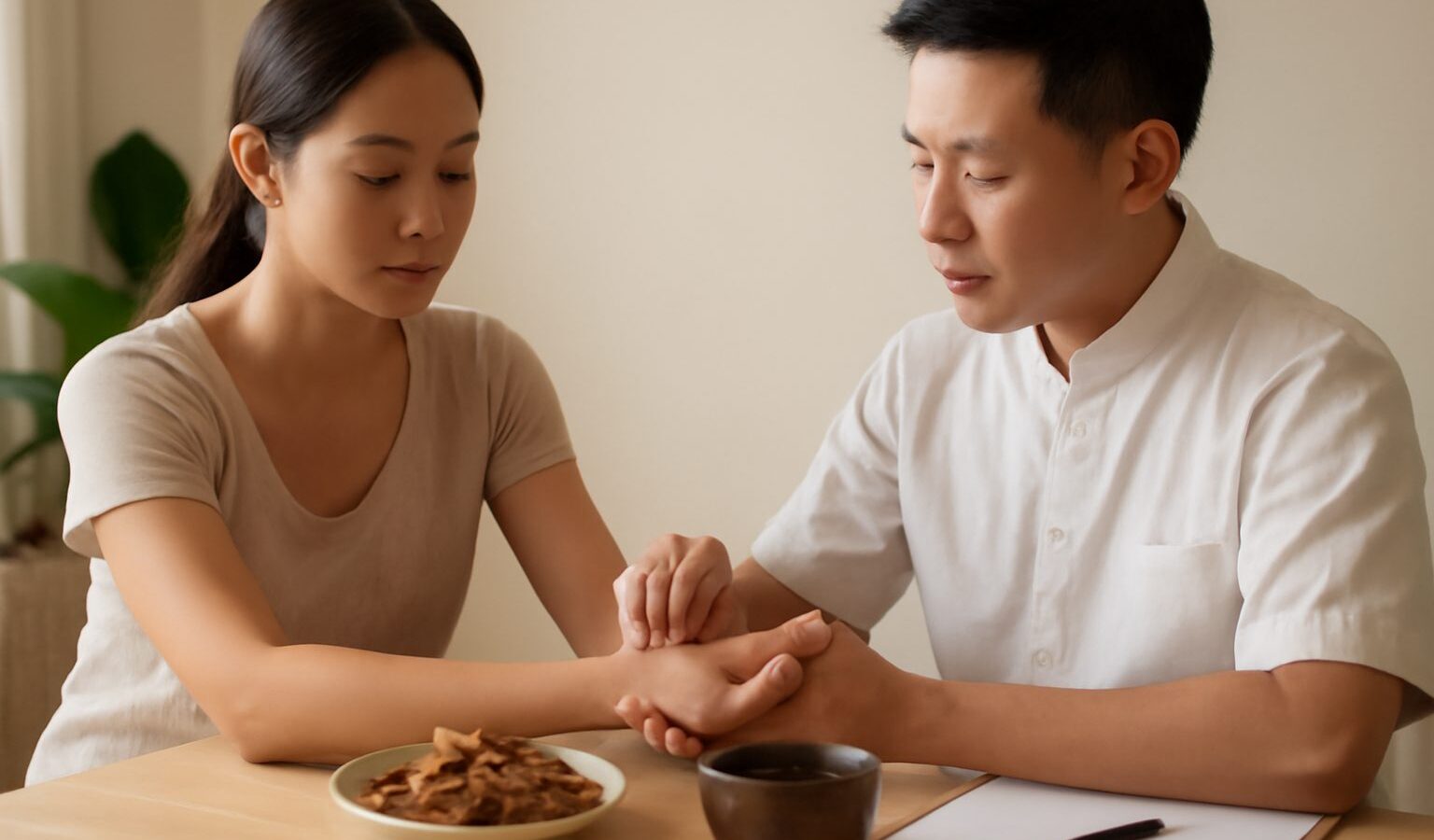
Finding a good TCM practitioner in Singapore is easier when you know what to look for and which checks to make. Traditional Chinese Medicine (TCM) covers practices such as acupuncture, herbal prescriptions, cupping and tuina massage, and many people in Singapore use it alongside conventional care. This article is general information and not medical advice, so please see a doctor for any serious, sudden or worsening symptoms.
Start with registration
The most important step is to confirm that any TCM practitioner you consider is registered with the TCM Practitioners Board in Singapore. Registration means the person has met the required training and standards to practise acupuncture or as a TCM physician, and it is your baseline assurance of legitimacy. A reputable clinic will display registration details, and you can verify a practitioner’s status through the Board’s official register rather than relying on a shopfront sign alone.
If someone offering treatment cannot or will not confirm their registration, treat that as a reason to look elsewhere.
Understand what TCM commonly involves
Knowing the main treatment types helps you choose a practitioner whose focus matches your needs.
Acupuncture
Thin needles are inserted at specific points on the body. People often seek it for pain and general wellbeing. A registered acupuncturist should use single use, sterile needles every time.
Herbal medicine
A physician may prescribe a combination of herbs, sometimes as raw ingredients to brew, or as prepared granules and pills. Because herbs are active substances, it matters that they are dispensed by someone qualified and that you disclose everything else you are taking.
Tuina and cupping
Tuina is a form of therapeutic massage, while cupping uses suction on the skin. Both are commonly used for muscular tension and comfort.
How to shortlist a practitioner
- Ask friends, family or colleagues for someone they have seen personally and trust.
- Check that the clinic clearly states its registered practitioners.
- Read reviews for a sense of communication style and cleanliness, while treating them as opinions rather than proof.
- Consider location and opening hours, since a course of treatment may involve several visits.
- Note whether the practitioner explains things clearly and does not pressure you into long, expensive packages on the first visit.
Questions worth asking on your first visit
A confident, ethical practitioner will welcome questions. Consider asking about their registration and training, what the proposed treatment involves, how many sessions they expect, what it will cost, and what results are realistic. Ask how they handle hygiene, including whether needles are single use. If you have an existing medical condition, are pregnant, or take prescription medication, raise it at the start so the practitioner can advise safely.
Choosing between your options
The table below offers a simple way to weigh common routes to finding care.
| Route to finding a practitioner | Strength | What to watch |
|---|---|---|
| Personal recommendation | Trusted first hand experience | Still confirm registration yourself |
| Established TCM clinic or chain | Clear standards and records | Compare pricing and avoid pressure to prepay a lot |
| Hospital linked TCM service | Coordination with conventional care | May have longer waiting times |
| Online search | Wide choice and reviews | Verify registration before booking |
Safety points to keep in mind
TCM can be a helpful part of many people’s routines, but it works best when used sensibly and in the open. Tell your medical doctor about any herbs or supplements you are taking, because some can interact with prescription medicines or affect conditions such as high blood pressure. Do not stop a prescribed medication in order to try a herbal remedy without speaking to your doctor first.
Be cautious of anyone who promises to cure serious diseases, guarantees dramatic results, or discourages you from seeing a doctor. Responsible practitioners set realistic expectations and refer you onward when something is beyond their scope. For red flag symptoms such as chest pain, difficulty breathing, sudden weakness, a high fever that will not settle, or heavy unexplained bleeding, go to a doctor or the emergency department without delay.
Understanding costs and packages
TCM fees vary widely depending on the treatment, the clinic and whether herbs are dispensed. A single acupuncture or tuina session is usually charged on its own, while herbal prescriptions add the cost of the ingredients. Some clinics offer prepaid packages for a course of treatment, which can work out cheaper per session. Before committing to a large package, make sure you are comfortable with the practitioner after a first visit or two, since it is harder to change course once you have paid upfront. Ask for a clear breakdown of what each visit and each prescription will cost, so there are no surprises. A trustworthy clinic explains pricing openly and never rushes you into a big commitment.
Getting the most from your sessions
Arrive with a short note of your symptoms, when they started and what makes them better or worse, along with a list of your medicines and supplements. Wear comfortable clothing if you expect acupuncture or tuina. Give a treatment plan a fair chance over the agreed number of sessions, but check in on your progress and speak up if something does not feel right or if symptoms change.
Keep your regular general practitioner in the loop, especially if you are managing an ongoing condition. Many people find that TCM and conventional medicine sit comfortably side by side when everyone treating you knows the full picture.
In summary
To find a TCM practitioner in Singapore with confidence, start by confirming registration with the TCM Practitioners Board, then choose someone whose treatments and manner suit you. Ask clear questions, be open about your other medicines, and keep realistic expectations. Above all, remember this guide is general information rather than medical advice, and see a doctor promptly for anything serious. With those safeguards in place, you can explore TCM as a considered part of looking after your health.
Explore more: Singapore healthcare guide · Going to a pharmacy in Singapore · Seeing a GP in Singapore: a newcomer’s guide