
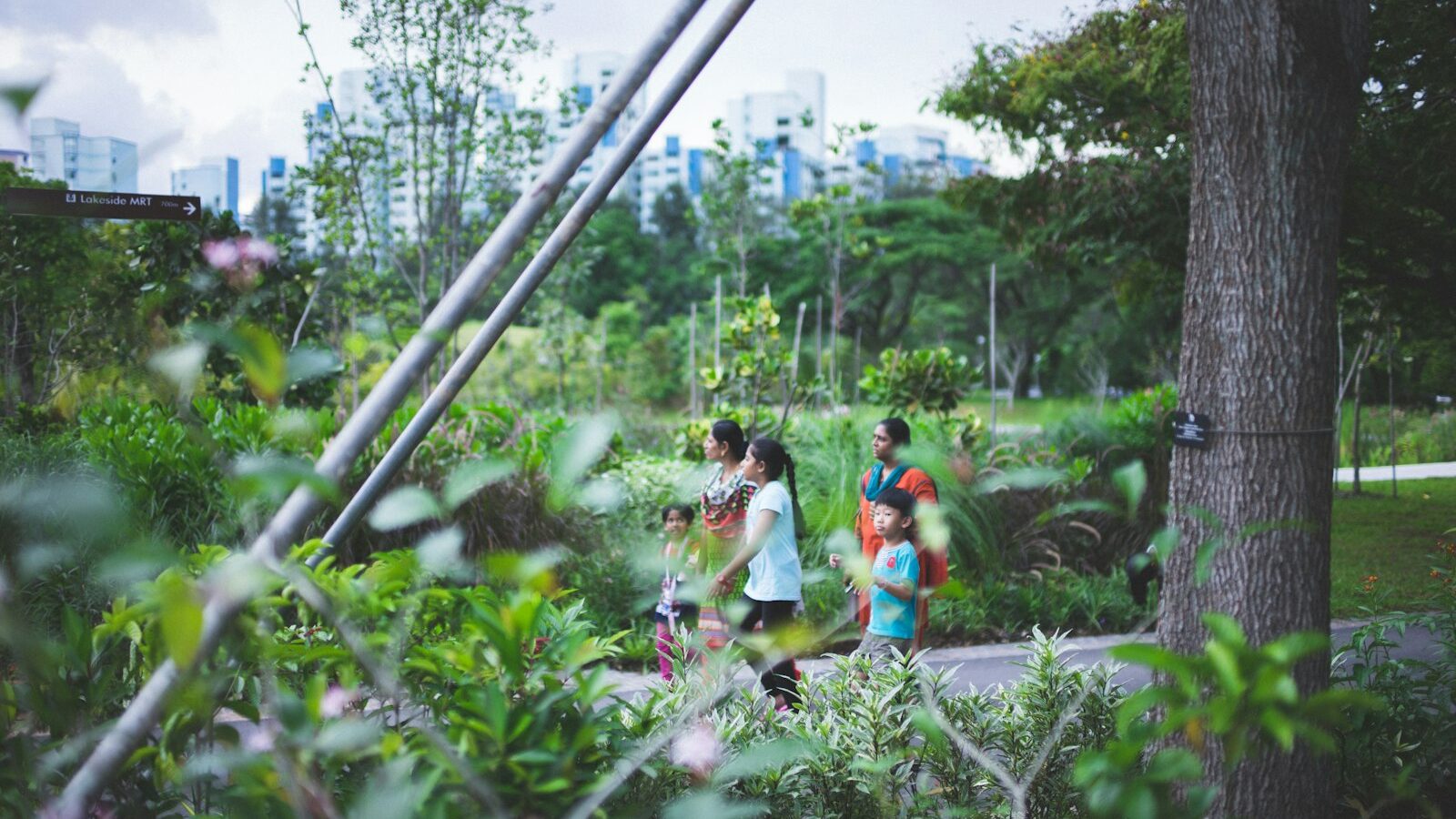
Gardening is quietly social. The moment you carry a leggy pothos into the lift, someone asks what it is, and before long you are swapping cuttings and tips. A gardening community in Singapore takes that friendly instinct and gives it a home, whether that is a shared plot between HDB blocks, an allotment in a park, or a lively online group trading photos of their chillis. Joining one is one of the best things a beginner can do: you learn faster, spend less, and gain a circle of people who genuinely light up when your seedling sprouts. This guide shows you exactly how to find a group, get involved, and be the kind of member others are glad to garden beside.
Why Join a Gardening Community at All
You can absolutely garden alone on your balcony, and many happily do. But a community changes the experience. When you are surrounded by people who have already grown pandan in our humidity or coaxed tomatoes through the monsoon, their hard-won knowledge saves you months of guesswork. A neighbour will tell you which corner of the estate gets the harshest afternoon sun, or hand you a cutting that would cost money at a nursery.
There is a practical upside too. Communities share tools, seeds, compost and labour, so your costs stay low and the heavy jobs get lighter. And there is the human part, which turns out to matter most. Regular gardeners describe the friendships, the sense of belonging, and the simple calm of working the soil beside others. For newcomers to an estate, or anyone feeling a little isolated, a garden group is a gentle, unpressured way to meet people around a shared love.
Where Gardening Communities Live in Singapore
Gardening communities come in several shapes, and it helps to know them so you can pick the one that suits your life.
- NParks Community in Bloom. This is the national gardening movement, supporting well over a thousand gardening groups islandwide. It is the natural first port of call, whether you want to join an existing garden or start a new one.
- HDB estate gardens. Run by residents on plots managed with the town council and grassroots leaders, these are the communal gardens you see among the blocks.
- RC and grassroots groups. Your Residents’ Committee or Residents’ Network often runs, or can point you to, a neighbourhood gardening group and its activities.
- Interest groups and online communities. Plenty of Singapore gardeners gather in online groups and at plant swaps to trade cuttings, answer questions, and organise meet-ups.
- Special-interest circles. There are enthusiasts for orchids, bonsai, aroids and edibles, often with their own shows and gatherings.
Because estate gardens sit on shared public land, they run in partnership with the town council and grassroots bodies. That structure keeps the space fair, safe and open, and it means there is always a clear person to ask about joining.
How to Find the Right Group for You
Different groups ask for different levels of commitment, so it pays to match one to your time and interests before you sign up.
| Community type | Commitment | Best for | Where to start |
|---|---|---|---|
| HDB estate community garden | Regular rostered turns | Neighbours who want to grow together | Town council, RC or grassroots office |
| NParks allotment plot | Your own schedule, one bed | Growing your own crops solo | NParks park allotment schemes |
| Online gardening group | As much as you like | Advice, cuttings and plant swaps | Search local gardening groups |
| Special-interest club | Occasional meet-ups and shows | Focusing on one type of plant | NParks Community in Bloom, hobby clubs |
If you are unsure, start light. An online group or a single visit to a garden costs nothing and tells you a lot about whether the vibe fits.
Practical Steps to Actually Join
Once you know what you are after, joining is refreshingly straightforward. Work through these steps:
- Scout your own estate. Walk the void decks, carpark verges and nearby parks. Community gardens often post a sign, a group name, or a contact number for their coordinator.
- Contact NParks Community in Bloom. As the national programme, it can help you find a nearby group or guide you and your neighbours in starting a fresh one.
- Ask your town council, RC or grassroots office. For any garden on HDB or public land, they know which groups are active and how residents come on board.
- Show up and offer to help. Most groups welcome a visitor on a working day. Pull a few weeds, ask questions, and see how you feel before committing.
- Bring something to share. A spare cutting, a bag of coffee grounds for compost, or simply willing hands all make a warm first impression.
You do not need experience or expensive gear to begin. It is completely fine to arrive knowing nothing and start with one easy task.
What to Expect, and What It Costs
A gardening community runs on a shared rhythm: watering rosters, working parties, and group decisions about what to plant. Expect to give a little time regularly rather than turning up only when you please, because the plants and your fellow members depend on it. In return you get mentorship, company, and a share in the harvest.
On money, be cautious about figures you see online. Tools, seeds, soil and plants vary a lot by shop and season, and communities often lend tools and grow from swaps, so your real outlay can be very small. Think in rough bands rather than fixed prices: budget if you borrow tools and grow from shared seeds and cuttings, mid-range for your own basic hand tools and a few starter plants, and premium only for fancier equipment you may never need. For anything you do buy, check the actual nursery or shop, whether that is a neighbourhood store, the larger nurseries near Sungei Tengah and Thomson, Far East Flora, or a community swap.
One shared responsibility deserves real attention: mosquito control. Gardens are full of watering cans, saucers and containers, and standing water in any of them is a breeding ground for Aedes mosquitoes, with dengue a genuine year-round risk here. Make it a group habit to tip out collected water after rain, store empty containers upside down, avoid hardened soil that traps water on the surface, and follow the National Environment Agency’s anti-mosquito advice. It only takes one forgotten tray to start a breeding cycle, so treat this as everyone’s job.
Being a Good Member
The best gardeners are also good neighbours. Keep to your roster, tidy up after yourself, and never touch another member’s plot or pick their harvest without asking. If you use pesticides or fertilisers, follow the product label, keep them well clear of children and pets, and prefer eco-friendly or organic options in a space shared by many. Most of all, respect the group’s rules and defer to NParks, your town council and grassroots guidance, which exist to keep the garden safe and welcoming. Give a little goodwill, and a gardening community will give you back far more than you sow.
Explore more
New to all this? Start with our overview, a guide to community gardens in Singapore, then discover the mental health benefits of gardening. If you are bringing little ones along, see how to garden with kids, and once you have a plot, learn how to attract butterflies and birds to your garden.