
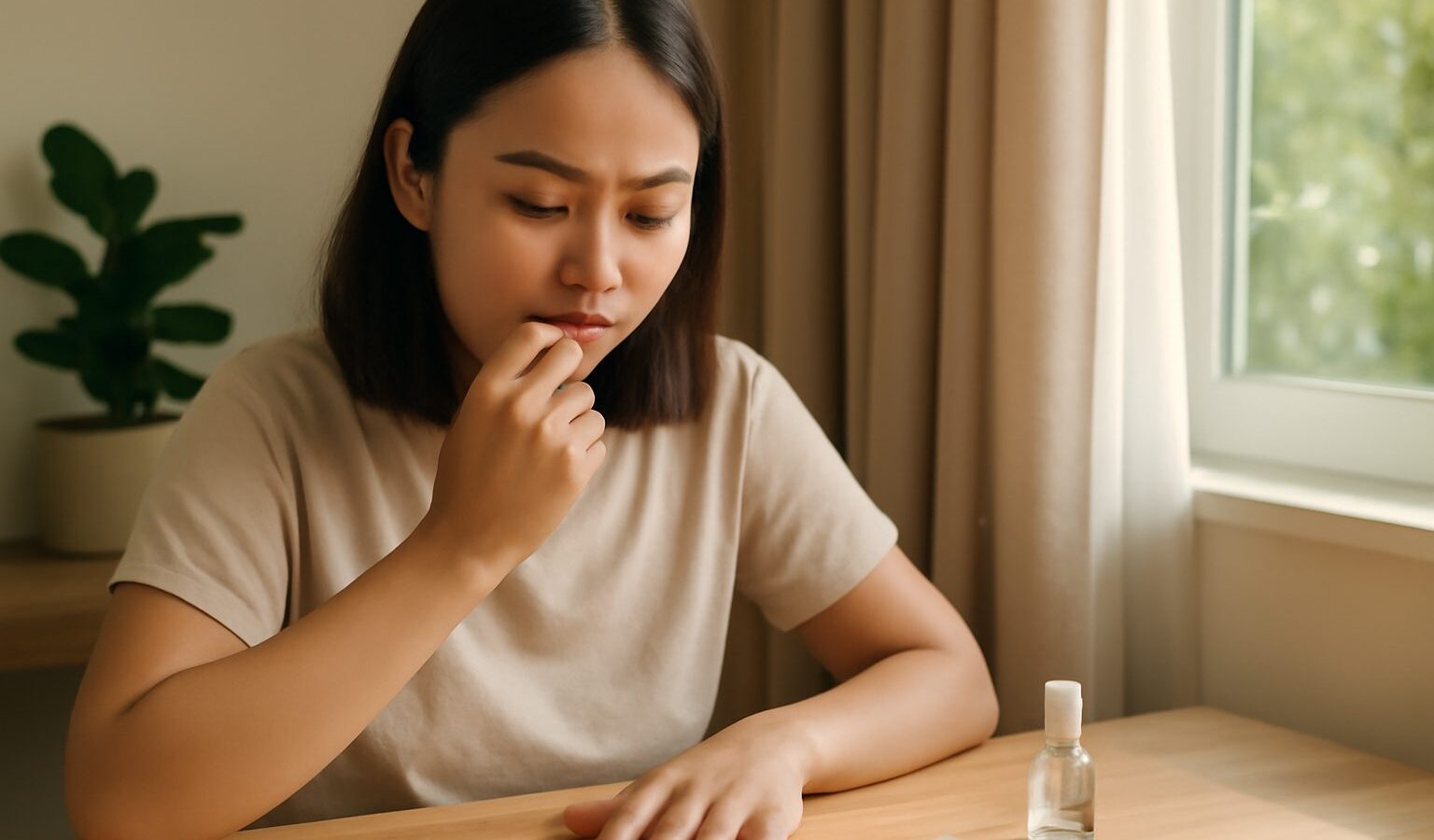
Almost everyone has done it at some point, whether in an exam hall, during a tense meeting, or while scrolling late at night. For some people it stays an occasional thing, and for others it becomes a daily habit that leaves nails short, sore and ragged. If you are trying to get a handle on nail biting in Singapore, the good news is that it is a very common habit and a very breakable one, as long as you are patient with yourself. This guide looks at why we do it, how to gently unlearn it, and how to help bitten nails recover in our warm, humid climate.
Why We Bite in the First Place
Nail biting, known more formally as onychophagia, is usually a soothing habit rather than a random one. Most people bite when they are stressed, bored, concentrating hard, or feeling a little anxious. The action gives a small sense of release, which is exactly why it is so sticky as a habit. It often starts in childhood and quietly follows people into adult life without them ever really deciding to keep it.
Understanding your own triggers is the single most useful thing you can do. For a few days, simply notice when your fingers drift towards your mouth. Is it during your commute on a packed train, while waiting for a reply to a message, or when you are deep in a work deadline? You are not trying to stop yet, just to watch. Once you know the pattern, you can plan around it, because a habit you can predict is a habit you can interrupt.
It is worth being kind to yourself here. Nail biting is not a moral failing or a sign of weakness. It is a coping mechanism, and shaming yourself tends to raise stress, which is the very thing that fuels the habit. A gentle, curious attitude works far better than a harsh one.
Gentle Ways to Break the Habit
There is no single trick that works for everyone, so the sensible approach is to stack a few small tactics and see what sticks.
- Keep nails short and neatly filed. A smooth, short edge gives you far less to catch and pick at. Our at-home manicure guide walks through tidy shaping.
- Give your hands something else to do. A fidget ring, a smooth stone, a stress ball, or even doodling can absorb the restless energy that would otherwise go to your nails.
- Create a small barrier. Some people find that a bitter-tasting nail lacquer, sold for exactly this purpose, breaks the automatic loop by making biting unpleasant. Others simply keep a plaster on a stubborn finger for a while.
- Care for your cuticles. Ragged, dry cuticles beg to be picked. Regular oil and moisturiser make the whole nail area smoother and less tempting, as our piece on cuticle care and healthy nails explains.
- Book yourself a reason to stop. Knowing you have tidy nails to protect, whether from a manicure or a fresh coat of polish, can be a surprisingly strong motivator.
Try replacing the habit rather than simply forbidding it. When you catch your hand rising, redirect it: press your fingertips together, reach for your fidget item, or take a slow breath. Over time the new response becomes the automatic one.
Stress management deserves a mention too, because so much biting is stress-driven. Building small calming habits into your day, from a short walk to a few minutes of breathing, chips away at the underlying tension. Our guide on managing stress and relaxation offers some easy starting points.
Helping Bitten Nails Recover
Once you start biting less, your nails and the surrounding skin need a little rehab. In Singapore, frequent handwashing plus long hours in the aircon can leave hands dry, which makes fragile nails and torn skin worse, so hydration is your friend.
Apply a cuticle oil once or twice a day and massage it in. Follow with a hand cream, especially after washing your hands. Keep your nails filed smooth so there are no snags, and resist the urge to peel or tear any loose bits, which only restarts the cycle. If you enjoy a bit of polish, a clear strengthener or a tidy colour can act as both protection and gentle encouragement to keep your progress.
Nails grow slowly, often taking several months to fully grow out from base to tip, so give yourself a realistic timeline and celebrate small wins. If your nails feel especially weak while they recover, our guide on strengthening weak and peeling nails has practical steps.
One honest note on health. Biting your nails can sometimes break the skin, and broken skin around the nail can occasionally become infected, especially in a humid climate. If a fingertip becomes red, swollen, warm, throbbing or starts weeping, that is a sign to see a doctor rather than to wait it out. Likewise, if nail biting feels compulsive and genuinely distressing, or is tied to broader anxiety you are struggling with, a doctor can point you towards proper support. This article is general self-care guidance, not medical advice.
To wrap up simply: watch your triggers, keep nails short and hands busy, soothe the underlying stress, and be patient as things grow out. Slip-ups are part of the process, not the end of it, so treat each one as information rather than a verdict. With a bit of consistency, tidy, comfortable nails are well within reach.