
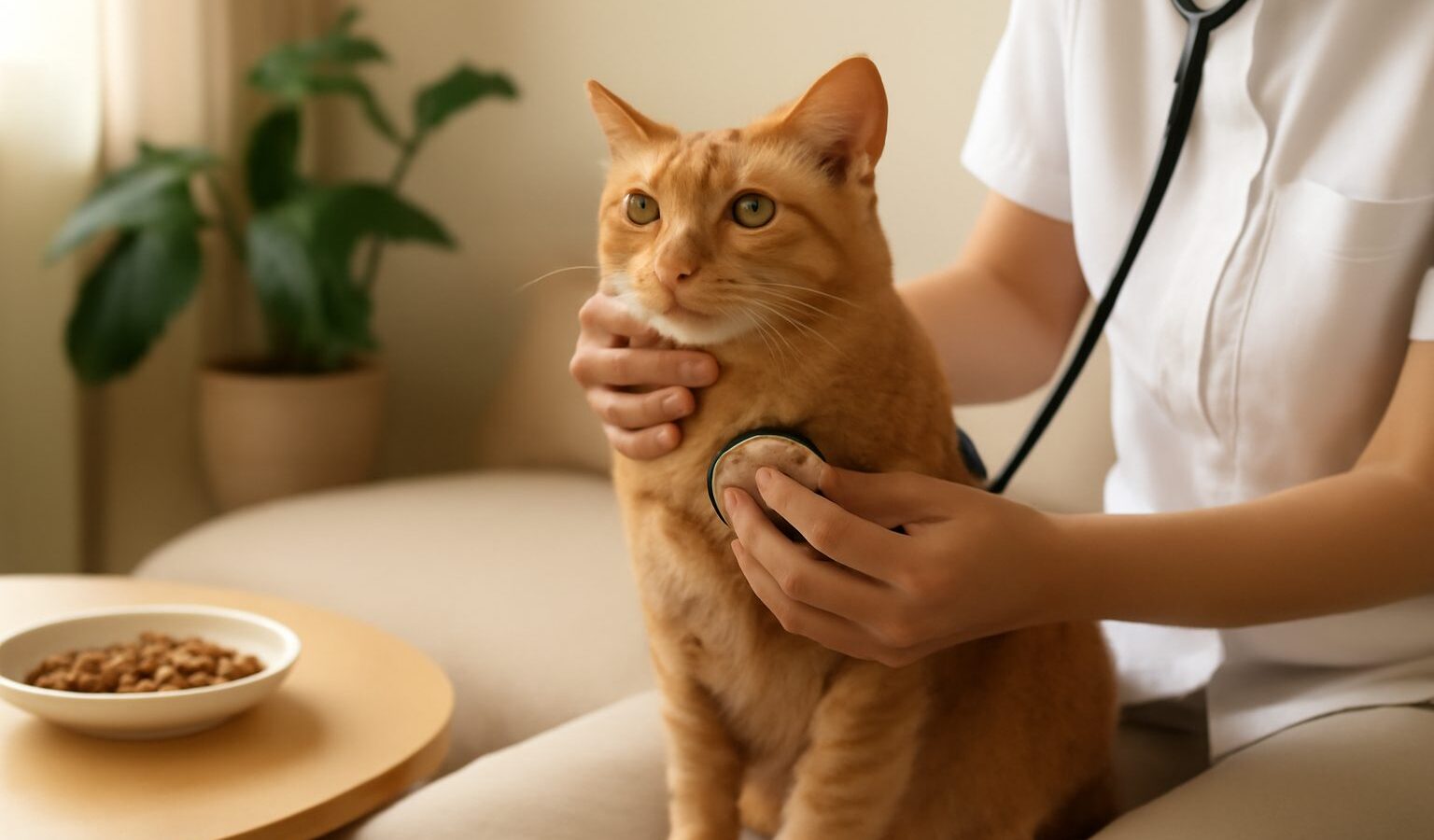
As cats grow older, their bodies change, and some develop conditions that are easy to miss in the early stages. Hyperthyroidism is one of the more common hormonal problems seen in older cats, and knowing what to look for can help you seek help early. Understanding hyperthyroidism in cats in Singapore is not about diagnosing your own pet at home, it is about recognising when something is not right and getting your cat to a licensed vet. This article is general information only, not veterinary advice, and it is not a substitute for a proper examination. Please see your vet for any diagnosis, treatment, or medication.

What Hyperthyroidism Is
The thyroid glands sit in the neck and produce hormones that help regulate the body’s metabolism, the rate at which the body uses energy. In hyperthyroidism, these glands become overactive and release too much thyroid hormone. The result is that the body’s engine runs too fast, which affects many organs, including the heart.
This condition is most often seen in middle-aged and older cats. Because it develops gradually, the changes can be subtle at first and are sometimes mistaken for normal ageing. That is exactly why regular check-ups matter as your cat gets older. A vet can pick up early clues during a routine examination long before the signs become obvious at home. Our guide to caring for a senior pet explains why these ageing years call for closer attention.
Signs to Watch For
Every cat is an individual, and these signs can point to several different conditions, not just hyperthyroidism. That is precisely why a vet’s assessment is so important. Still, it helps to know the changes that should prompt a visit. Common things owners notice include:
- Weight loss despite a good or even bigger appetite. A cat that seems hungrier than ever yet keeps getting thinner is a classic pattern worth taking seriously.
- Increased thirst and more frequent urination.
- Restlessness, hyperactivity, or seeming more irritable or vocal than usual.
- A poor, unkempt, or greasy coat.
- Vomiting or diarrhoea.
- A faster heart rate, which your vet may detect during an examination.
An older cat losing weight should always be checked by a vet, even if they seem bright and are eating well. Weight loss can be a sign of several serious conditions, and only proper testing can tell them apart. If you notice any of these changes, book an appointment rather than waiting to see if things settle. For a broader overview of feline health concerns, our guide to common cat health issues may be useful background reading.
Why a Vet Visit Matters
Only a licensed vet can diagnose hyperthyroidism, usually through a physical examination and blood tests. Because the signs overlap with other conditions common in older cats, such as kidney disease and diabetes, testing is essential to get the right answer. Sometimes more than one condition is present at the same time, which makes professional assessment all the more important.
Left unmanaged, an overactive thyroid puts real strain on the body, especially the heart, so early diagnosis genuinely helps. The good news is that this is a well-recognised condition that vets manage regularly. There are several approaches to treatment, and your vet will explain which options suit your individual cat, taking into account their age, overall health, and any other conditions. Please do not attempt to treat this at home or give any human medicine, as many human medications are toxic to cats and dosing must always be decided by a vet. Never change a dose or stop a prescribed treatment without speaking to your vet first.
Living With and Monitoring the Condition
If your cat is diagnosed, ongoing care usually involves regular follow-up visits and monitoring so your vet can check how well the condition is controlled and adjust the plan as needed. Your role at home is to follow your vet’s instructions carefully, keep to any recommended diet, give any prescribed medication exactly as directed, and watch for changes.
Keep an eye on your cat’s weight, appetite, energy, and toilet habits, and note anything that shifts so you can report it at check-ups. Comfortable surroundings help too, particularly for an older cat. Keep food, water, and a clean litter tray easily accessible, provide quiet resting spots, and reduce stress where you can. Our notes on caring for a pet with a chronic condition offer practical ideas for supporting a cat who needs long-term management.
Above all, stay in close touch with your vet. Regular monitoring is what keeps a managed condition stable, and your observations at home are a valuable part of that picture.
A Caring Wrap-Up
Hyperthyroidism is a common and manageable condition in older cats, but it needs a vet to diagnose and guide treatment. Watch for weight loss alongside a healthy appetite, increased thirst, restlessness, and a poor coat, and take any ageing cat who is losing weight to the vet without delay. Keep up regular senior check-ups, follow your vet’s plan closely, and never use human medicines or adjust doses on your own. With early attention and steady care, many cats with this condition go on to enjoy a comfortable, contented life by your side.
Frequently Asked Questions
How do vets diagnose hyperthyroidism in cats? Vets usually combine a physical examination with blood tests, and may check heart rate and blood pressure. Tests also help rule out conditions with similar signs, such as kidney disease or diabetes. Your vet will decide which tests suit your cat.
What treatment options exist for a cat with an overactive thyroid? There are several approaches, and your vet will explain which suits your cat’s age, health and other conditions. Some involve daily medication, some a special diet, and others a procedure. Do not start or stop anything without your vet’s guidance.
Is hyperthyroidism in cats curable? In some cats, certain treatments can resolve the problem, while others need lifelong management. Which applies depends on the individual cat and the option chosen with the vet. Ask your vet what outcome to expect and what follow-up checks will be needed.
At what age should I start senior health checks for my cat? Ask your vet when to move to a senior schedule, since cats age differently. Many clinics suggest more regular check-ups with bloodwork as cats reach their later years. Early screening can pick up thyroid, kidney and other changes before signs appear at home.
Can hyperthyroidism cause my cat’s heart problems? It can put extra strain on the heart, because the body runs faster than it should. That is one reason early diagnosis matters. Your vet may check the heart during examinations, and will advise on any monitoring needed alongside thyroid treatment.