
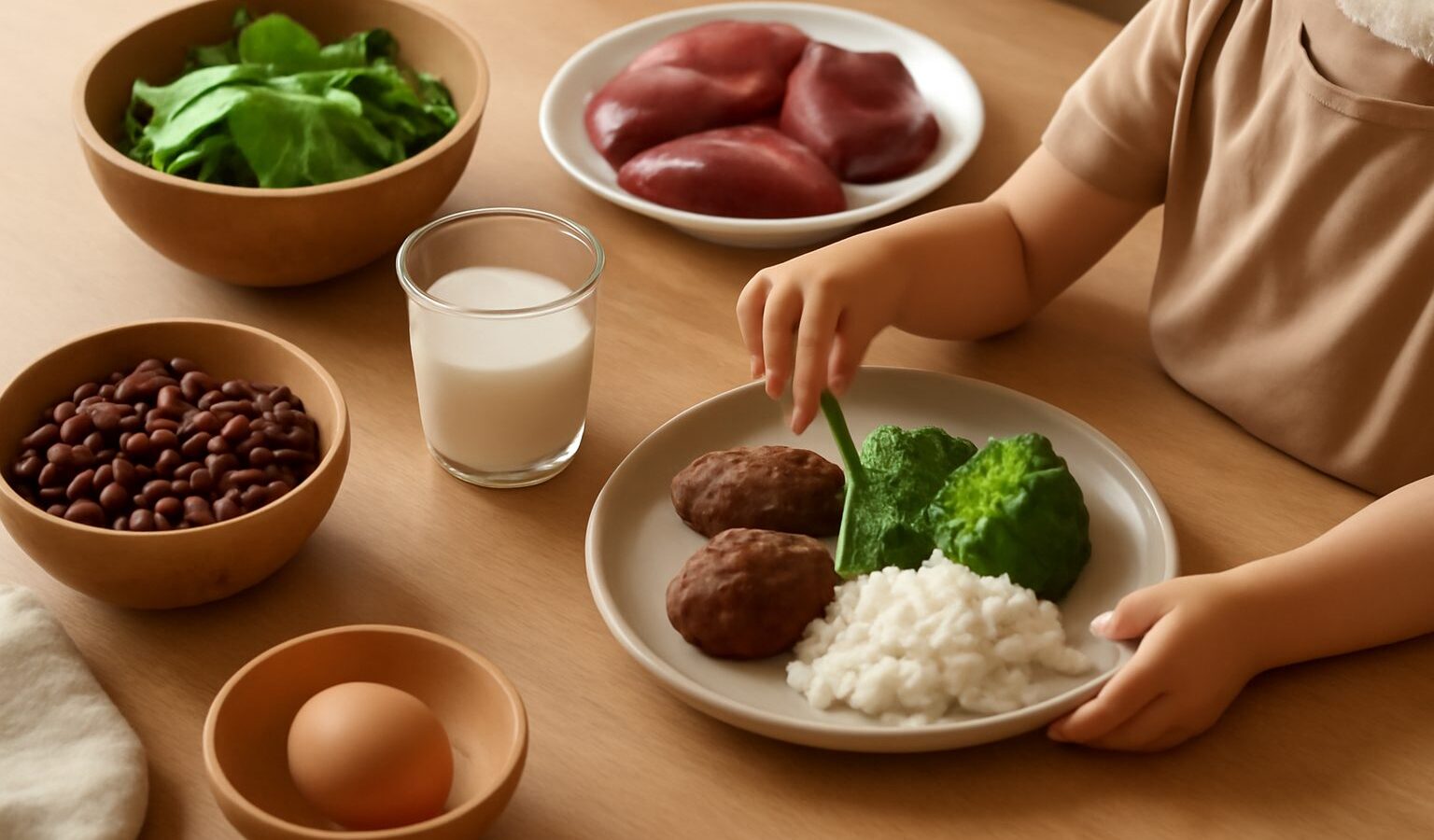
Iron is one of those quiet nutrients that does an enormous amount of work behind the scenes. It helps carry oxygen around the body and supports your child’s energy, growth, concentration and immune system. For growing children, getting enough matters, yet it is easy to overlook at the dinner table. The good news is that offering iron rich foods for children in Singapore is simple once you know where iron hides and how to help the body absorb it. This is general balanced-eating information rather than a medical or diet plan, so if you have concerns about your child’s growth, energy or eating, speak to your doctor or a dietitian.
Why Iron Matters for Growing Children
Children need iron to make healthy red blood cells and to fuel a body that is constantly building and changing. Growth spurts, in particular, raise the demand. When intake falls short over time, some children can become low in iron, which may show up as tiredness, paleness, irritability or poor concentration. These signs are not proof of anything on their own, and only a doctor can properly assess iron levels, usually with a simple check.
Certain stages carry a higher risk of low iron, such as the toddler years, especially if a child drinks a lot of milk and eats little else, and later during the fast growth of the teenage years. Fussy eaters and children on very limited diets can also miss out. The aim is not to fixate on a single nutrient but to build varied, balanced meals where iron naturally features. This fits within the bigger picture of children’s nutrition and healthy eating, rather than being a project on its own.
If you ever suspect your child is low in iron, please do not diagnose or supplement on your own. Too much iron can be harmful, and supplements should only be given on a doctor’s advice. Get a professional assessment first.
Everyday Iron-Rich Foods
Iron comes in two forms. Haem iron, from animal foods, is absorbed more easily by the body. Non-haem iron, from plants, is absorbed less readily but still counts, especially when paired with the absorption tips below. A mix of both across the week works well, and it is entirely possible to meet needs on a vegetarian diet with a bit of planning.
Animal sources (haem iron)
- Red meat such as beef and lamb, in child-friendly portions
- Chicken and pork, especially darker cuts
- Liver and other organ meats, in moderation
- Fish and seafood, including prawns
- Eggs
Plant sources (non-haem iron)
- Beans, lentils, chickpeas and dhal
- Tofu and other soy products
- Dark leafy greens such as spinach, kai lan and chye sim
- Wholemeal bread, brown rice and oats
- Iron-fortified breakfast cereals
- Nuts and seeds, offered safely by age to avoid choking
- Dried fruit such as raisins and prunes
Many of these slot easily into local family meals. Think a lentil dhal with rice, a beef or spinach porridge for little ones, eggs at breakfast, or a stir-fry of dark greens. For babies starting out, iron is a key reason first foods matter, which is covered in introducing solids and weaning.
Helping the Body Absorb Iron
How you combine foods can make a real difference, especially for the plant-based iron that is harder to absorb. A few easy habits help.
Pair iron with vitamin C. Serving iron-rich foods alongside vitamin-C foods boosts absorption of non-haem iron. Add tomato, capsicum or dark greens to a lentil dish, offer a few slices of orange, kiwi or guava with a meal, or finish with a fruit your child enjoys. This simple pairing is one of the most useful tricks a parent can use.
Combine plant and animal sources. Adding a little meat or fish to a meal also helps the body take up the plant iron eaten alongside it, so a mixed plate works in your child’s favour.
Watch the timing of milk and tea. Large amounts of cow’s milk can fill small tummies and crowd out iron-rich foods, and the tannins in tea can reduce iron absorption. For toddlers, keep milk to sensible amounts and offer it between rather than drowning out meals, and save tea for adults.
Keep mealtimes calm. Pressure and battles at the table rarely improve what a child eats. Offer a variety of iron-rich foods regularly, let your child decide how much to eat, and keep serving them even after a few refusals, since familiarity often wins over time. If mealtimes are a struggle, you may find dealing with a picky eater helpful.
Keeping It Simple
You do not need to count milligrams or overhaul your cooking to give your child enough iron. Aim for a bit of iron at most meals, mix animal and plant sources across the week, pair them with vitamin-C foods, and go easy on excess milk. Variety and consistency do most of the work.
If your child is a fussy eater, follows a vegetarian or vegan diet, seems persistently tired or pale, or you simply have concerns about their growth or eating, that is the moment to see your doctor or a dietitian. They can check whether anything more is needed and give advice tailored to your child, rather than you guessing. With a varied, balanced plate and a few smart pairings, most children get the iron they need to grow, learn and thrive.