
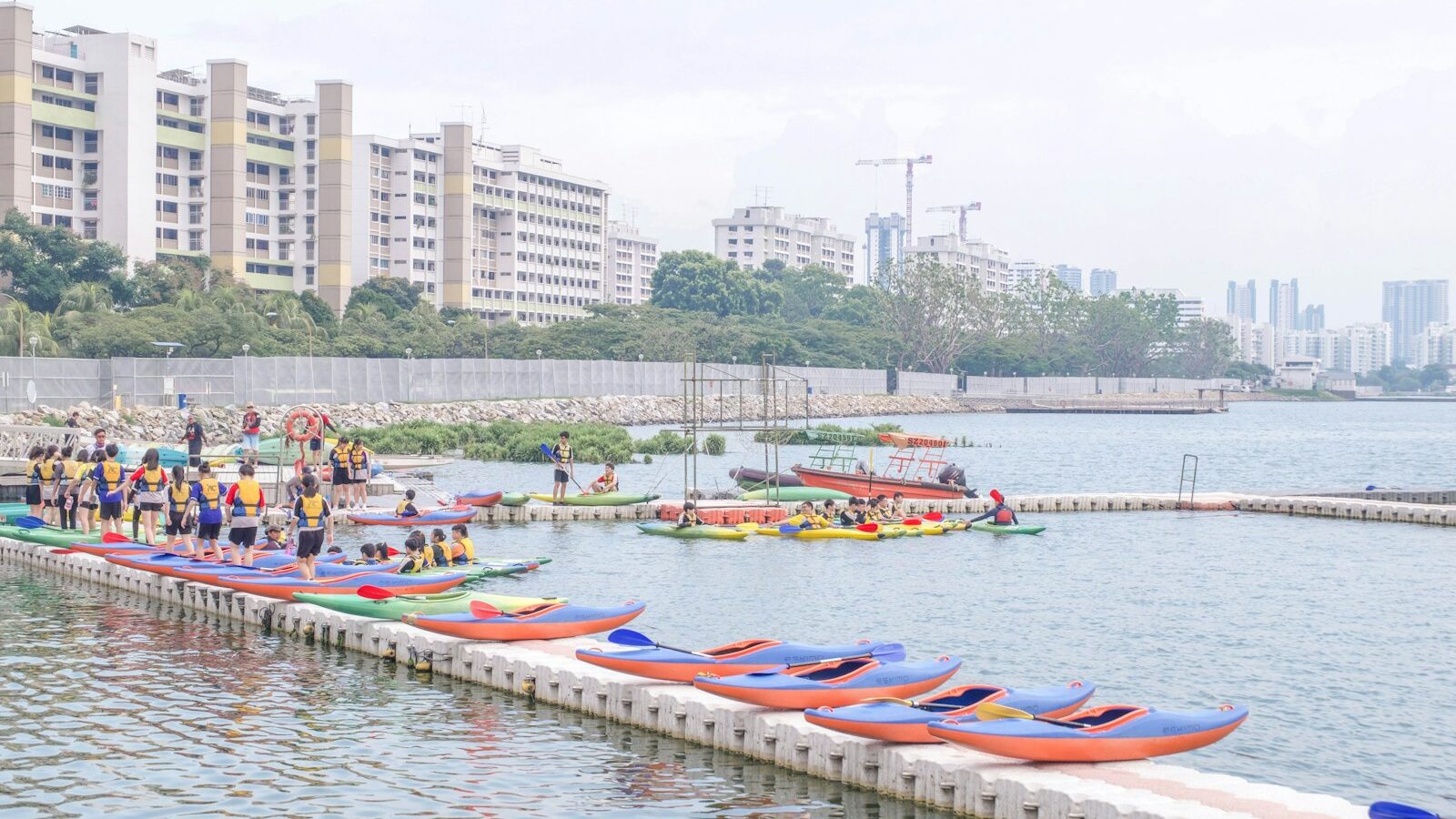
There is something special about getting out on the water in a city of concrete and glass. Kayaking Singapore has become one of the most accessible ways to do exactly that, alongside its cousin, stand-up paddleboarding. Both let you explore mangroves, reservoirs and coastlines under your own power, giving you a full-body workout that rarely feels like exercise. This guide covers where to paddle, how the two sports compare, what to wear, and how to start safely in our warm, humid climate.
First, a note that matters. This is general information to help you get active, not medical advice. Please consult a doctor before starting a new activity, especially if you have a health condition, are older, or are returning after a break. Paddle sports also carry water risks, so respect the conditions, never paddle beyond your ability, and warm up before you push off.
Kayaking Versus Paddleboarding
Kayaking and stand-up paddleboarding (SUP) both use a paddle and a board or boat, but they feel quite different once you are on the water. Understanding the difference helps you pick where to start.
In a kayak, you sit low in a boat and use a double-bladed paddle, pulling on alternating sides to move forward. It feels stable and secure, which reassures nervous beginners, and you can cover distance comfortably. On a paddleboard, you stand (or kneel at first) on a wide, floating board and use a single-bladed paddle. It demands more balance and engages your core constantly, but the standing view over the water is wonderful once you are steady.
| Feature | Kayaking | Stand-up paddleboarding |
|---|---|---|
| Stability for beginners | High, you sit low | Moderate, you balance while standing |
| Main muscles worked | Arms, back, core | Core, legs, whole body |
| Learning curve | Gentle, quick to enjoy | Slightly steeper for balance |
| Best first location | Calm reservoir or sheltered bay | Calm, flat water with little wind |
Neither is better; they simply suit different people. Many beginners try kayaking first for the stability, then move to paddleboarding once they feel comfortable on the water. Plenty of people happily do both, choosing based on the day and their mood.
Where to Paddle in Singapore
For an island, Singapore offers a surprising range of paddling spots, from calm reservoirs to coastal waters. Where you go should match your experience level and how sheltered the water is.
- Reservoirs such as MacRitchie and others offer calm, protected fresh water that is ideal for first-timers. You can often rent kayaks on site.
- Sheltered coastal areas and dedicated water-sport spots give more adventurous paddlers a taste of the sea, sometimes with mangroves and wildlife to explore.
- ActiveSG and Sport Singapore run water venues and programmes, and community clubs sometimes organise sessions, so check what is currently available and bookable.
- Private operators and clubs offer rentals, guided tours and lessons, which are a great way to learn safely with proper equipment.
Because rental fees, opening hours, booking systems and which venues are operating all change over time, always check current availability, safety rules and prices directly with ActiveSG, SportSG or the specific operator before heading down. Some waters also require you to stay within marked zones or paddle with a guide, so confirm the rules first.
Getting Started Safely
Paddle sports are welcoming, but water demands respect. A few sensible habits keep your early sessions safe and enjoyable.
- Learn the basics from someone qualified. A short lesson teaches you how to hold the paddle, how to get back on after a fall, and how to read conditions. It is well worth it.
- Always wear a personal flotation device. A life jacket or buoyancy aid is essential, even if you can swim. Reputable operators provide one and expect you to wear it.
- Check the weather and water conditions. Wind, tides and thunderstorms change quickly. If lightning threatens or the wind picks up, get off the water. Never paddle in a storm.
- Tell someone your plan. Let a friend know where you are going and when you expect to return, especially in coastal areas.
- Do not paddle alone as a beginner. Go with a buddy, a group or a guide until you are confident.
Being able to swim, and being comfortable in water, makes paddle sports much safer and more enjoyable. If you are still building water confidence, that is worth developing alongside your paddling.
Beating the Heat and Staying Comfortable
Singapore’s sun and humidity are the biggest challenges on the water, where there is little shade and light reflects off the surface. Dressing and preparing well makes all the difference.
- Wear quick-drying clothes such as a rash guard or sports top and shorts. You will get splashed, so leave the cotton at home.
- Protect against the sun with a broad hat or cap, sunglasses with a strap, and water-resistant sunscreen. The reflected sun burns faster than you expect.
- Hydrate before, during and after. Bring more water than you think you need and sip regularly; it is easy to overheat while concentrating on paddling.
- Choose cooler times such as early morning to avoid the midday peak, when heat and sun are harshest.
- Wear secure footwear like water shoes or sandals with straps, and use a waterproof pouch for your phone and keys.
Pace your first outings. Paddling uses muscles you may not train often, especially the back, shoulders and core, so expect to feel it the next day. Start with short, calm sessions and build up. Sharp pain, dizziness, chest discomfort or signs of heat exhaustion mean you should stop, get out of the sun, rehydrate and seek medical attention if it does not settle.
Building It Into an Active Lifestyle
The real joy of kayaking and paddleboarding is that they combine fitness with genuine adventure. A weekend paddle through mangroves or across a quiet reservoir clears the mind while quietly building strength and endurance. Because both sports are low impact and self-paced, they suit a wide range of ages and abilities, and they scale nicely as you improve, from gentle reservoir loops to longer coastal explorations.
To keep progressing, consider joining a club or a regular group. You will pick up technique faster, discover new spots, and have people to paddle with safely. Over time you might add skills like longer-distance touring or simply enjoy the calm of being out on the water. However you approach it, paddle sports are one of the most rewarding ways to stay active in Singapore.
Explore more
Water sports pair well with building your comfort and fitness in and around the water. If paddling sparks your interest in the open water, read our guide to open water swimming in Singapore, and learn how to cope with the climate in staying fit in Singapore’s heat. Since it is safer and more fun with company, our tips on finding a workout buddy in Singapore will help too.