
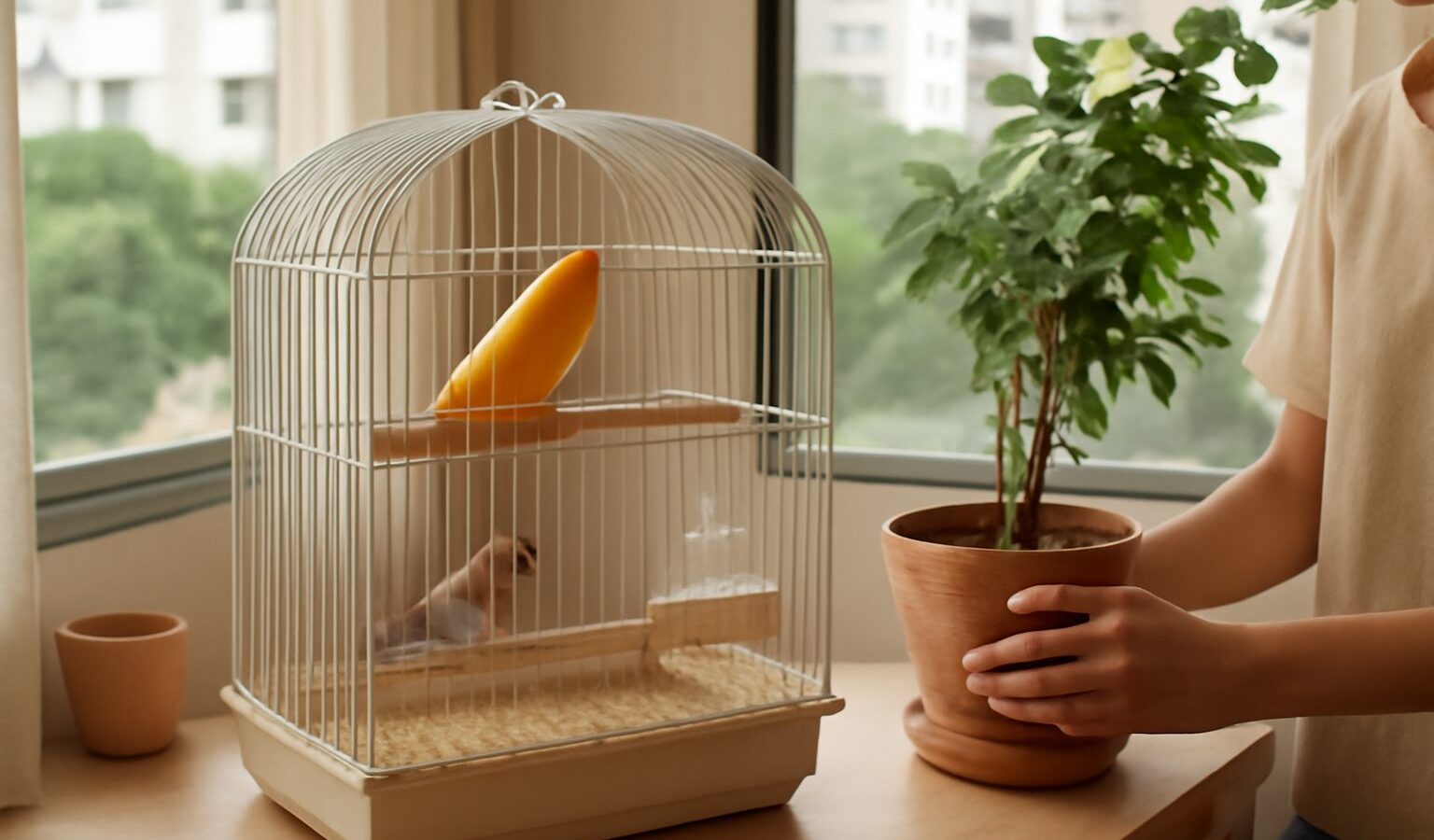
Small, graceful and full of song, canaries and finches are among the most rewarding birds to watch. If you are thinking about keeping canaries and finches in Singapore, they can make wonderful aviary birds, particularly for people who love the sound and movement of birds but prefer companions that are more hands-off than a parrot. They still deserve careful, committed care, and they can live for several years, so this is a genuine responsibility rather than a passing whim.
Before bringing any bird home, check the current Animal and Veterinary Service (AVS, under NParks) rules and approved species list, and source your birds only from a responsible, licensed seller. It is also worth asking local bird groups and rescues whether there are canaries or finches needing a new home, as adoption is always a good place to start.

Understanding Canaries and Finches
Canaries and finches are generally birds to be admired rather than handled. Unlike parrots, most do not crave cuddling and can find frequent handling stressful. What they offer instead is beautiful colour, lively activity and, in the case of male canaries, lovely song. If you want an interactive, shoulder-riding companion, a different bird may suit you better. If you enjoy a peaceful, living display of birds going about their day, these could be a lovely match.
Finches in particular are social and usually happier in pairs or small compatible groups rather than kept alone. Canaries can be more territorial, especially males, so research the specific species you are drawn to and get advice on the right social grouping before you buy. Our guide to choosing the right pet for your lifestyle can help you decide whether these birds fit your home and daily routine.
Housing and Aviary Setup
These birds are strong, active fliers, so horizontal flying space matters more than height. A long flight cage or a small aviary lets them fly properly, which keeps them fit and content. Choose a cage with narrow bar spacing so small heads cannot become trapped, and place it in a bright, draught-free spot away from the kitchen, since cooking fumes and aerosols can harm birds.
Set the space up with:
- Several perches at different heights and natural diameters
- A shallow dish for bathing, which most finches and canaries enjoy daily
- Clean food and water dishes, refreshed every day
- Some greenery or cover to help nervous birds feel secure
If you would like to give your birds a more spacious, planted home, our article on setting up an aviary for pet birds goes into aviary design in more detail. For a wider overview, see our guide to keeping pet birds in Singapore.
Feeding for Health and Song
A varied diet keeps these birds healthy and, for canaries, in good voice. A quality seed mix formulated for canaries or finches can form the base, but seed alone is not enough. Offer fresh leafy greens and appropriate vegetables regularly, and provide a source of grit or a cuttlebone as advised for your species to support digestion and beak health. Fresh, clean water must always be available.
Avoid anything salty, sugary or processed, and never offer avocado, chocolate, caffeine or alcohol, as these can be toxic. If you are unsure how to balance the diet, an avian vet or an experienced keeper can point you in the right direction.
Heat, Health and Avian Vet Care
Singapore’s warm, humid climate needs managing carefully for small birds. Keep the cage out of direct sunlight and away from heat, ensure good airflow without placing birds in a draught, and always provide fresh water and a bathing dish so they can cool down. On hot days, watch for open-beak panting or held-out wings, which signal your birds are too warm, and move them somewhere cooler. Our guide to keeping pets cool in Singapore’s heat offers practical steps that apply here.
Like all birds, canaries and finches instinctively hide illness, so small changes are meaningful. Fluffed feathers, sitting low and still, loss of appetite, laboured breathing or altered droppings all warrant attention. This article is general information and not veterinary advice, and it should not be used for self-diagnosis. Find a vet who treats birds, ideally an avian vet, arrange a check-up when you first bring your birds home, and keep up regular visits. If a bird seems unwell, seek help promptly rather than waiting. Never give any human medicine or shop-bought remedy to a bird, since many are toxic, and only ever administer medication that a vet has prescribed and shown you how to give.
A Caring Wrap-Up
Keeping canaries and finches in Singapore can fill your home with gentle colour, movement and song for years to come. Give them generous flying space, a varied and appropriate diet, protection from the heat, and the right social company for their species. Buy responsibly or, better yet, adopt, check current AVS rules before you commit, and build a relationship with an avian vet from the start. Respect them as the active, delicate little creatures they are, and they will reward you with a calm, beautiful presence every day.
Frequently Asked Questions
Do canaries and finches need a companion or can they live alone? Finches are social and are usually happier in pairs or small compatible groups. Canaries can be more territorial, especially males, so the right grouping depends on the species. Get advice from a bird specialist before you buy.
Will a female canary sing like a male? Males are the ones best known for song, while females tend to sing far less or only in short bursts. If song is what you want, ask the seller about the bird’s sex and confirm it before buying, as young birds can be hard to tell apart.
How big should a cage or flight cage be for finches? As large as you can sensibly provide, with width and length mattering more than height, because these birds fly rather than climb. Allow room for several perches and a bath, and ensure the bar spacing is narrow enough that small heads cannot get stuck.
Can I handle or tame my canary or finch? Most prefer to be watched rather than handled, and frequent handling can stress them. Some individuals become used to a calm presence nearby, but do not expect parrot-style cuddles. If you want an interactive bird, a different species may suit you better.
How often should I change the water and clean the cage? Refresh food and water dishes daily, and offer a clean bathing dish regularly, since most enjoy bathing. Clean the cage floor and perches often to prevent droppings building up. A consistent routine also helps you notice early changes in your birds.
Official sources: Animal & Veterinary Service