
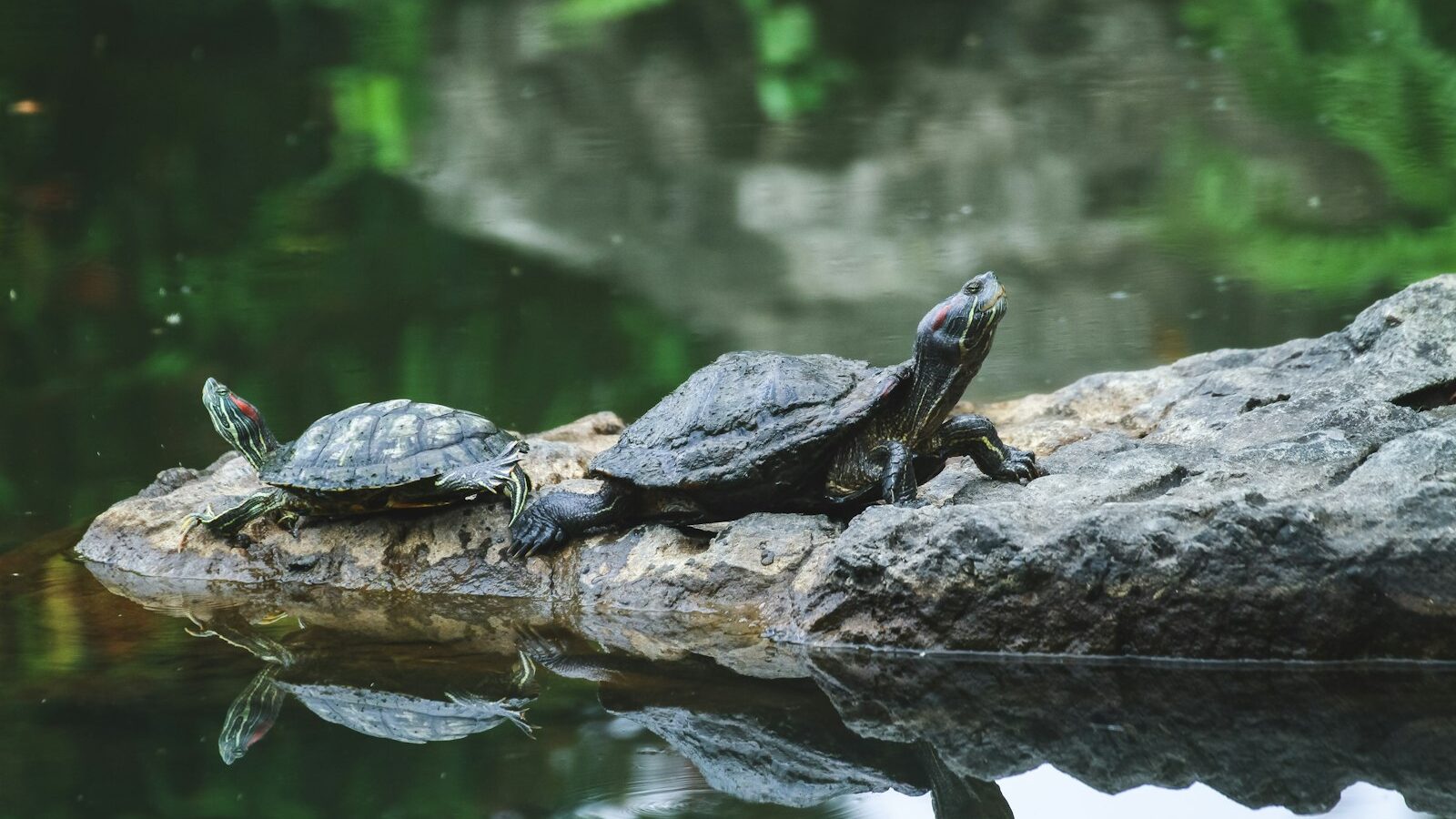
Terrapins are a familiar sight in Singapore, from the ones sold cheaply as palm-sized hatchlings to the crowds of them basking in the reservoirs where too many have been released. Keeping terrapins in Singapore can be genuinely rewarding, but it comes with responsibilities that a lot of first-time owners never see coming: an animal that starts small can grow into a heavy, long-lived reptile that needs a large, filtered, UVB-lit setup and, in some cases, decades of care. This guide covers what you can legally keep, how to house and feed a terrapin properly, and the one rule that is never negotiable, which is that you must never release it into the wild.
Know What You Can Legally Keep
Not every turtle or terrapin is legal to own here, and it is essential to check the current list of permitted species with the Animal & Veterinary Service (AVS) under NParks before you buy. AVS regulates which reptiles may be kept as pets under the Animals and Birds Act, and the rules can change, so treat the official source as the final word rather than what a shop or online seller tells you.
The most commonly kept species is the red-eared slider, the classic green hatchling sold in aquarium shops. It is important to understand two things about it:
- Many other turtle and terrapin species are prohibited, protected or restricted, and keeping an illegal species is against the law and often harmful.
- Even a legal species like the red-eared slider is a serious commitment, because they grow large and can live for decades.
That small hatchling in a plastic tub is not a short-term novelty. Buying one means planning for the adult it will become. When in doubt about any species, defer to AVS.
Setting Up the Tank, Basking Spot and UVB
The plastic tub with a plastic palm tree that terrapins are often sold with is nowhere near enough. A healthy terrapin needs a proper aquatic setup, and getting it right from the start prevents most of the health problems these animals suffer in captivity.
A good setup generally includes:
- A large tank. Terrapins are strong swimmers that need depth and space, and they keep growing, so plan for the adult size, not the hatchling. Bigger is always better.
- A dry basking area. Terrapins must be able to climb fully out of the water and dry off completely. A ramp or platform under a heat lamp lets them thermoregulate.
- UVB lighting. This is not optional. Without UVB, terrapins cannot process calcium properly and develop metabolic bone disease, a painful, deforming and often fatal condition. A proper UVB lamp over the basking spot, replaced on schedule as its output fades, is essential.
- A heat source and safe temperatures. A basking lamp creates the warm, dry spot they need to bask.
Get the lighting and basking area right and you avoid the most common, and most preventable, causes of suffering in pet terrapins.
Diet and Keeping the Water Clean
Terrapins are messy eaters and heavy waste producers, and dirty water is a fast route to eye infections, shell problems and illness. Their diet changes as they age, tending to be more protein-heavy when young and shifting toward more plant matter as adults, and a varied diet built around a good commercial turtle food plus appropriate greens and occasional protein is far better than feeding one thing.
Water hygiene is where most of your ongoing effort goes:
- Use a strong aquatic filter rated well above the tank volume, because terrapins foul water quickly.
- Do regular partial water changes and clean the tank on a routine, not just when it looks dirty.
- Feed carefully and remove uneaten food, since leftovers rot and spoil the water fast.
- Wash your hands after handling terrapins or their water, as reptiles can carry bacteria such as salmonella.
If your terrapin shows a soft or discoloured shell, swollen or shut eyes, loss of appetite, laboured breathing or lethargy, see a vet who treats reptiles. This is general information and not veterinary advice, so consult a licensed exotics vet for your own animal.
Never Release a Terrapin Into the Wild
This is the most important line in this guide. When a terrapin outgrows its tank or an owner loses interest, the worst possible response is to release it into a reservoir, pond or canal. Releasing terrapins is both illegal and ecologically harmful, and it is a serious problem in Singapore’s waterways.
Released terrapins, especially red-eared sliders, are an invasive species. They outcompete and displace native turtles and other wildlife, disrupt local ecosystems, and can spread disease. A pet-shop hatchling let loose is not being set free to a better life, it is being abandoned into an environment it damages and where it may suffer. The heartbreaking crowds of sliders in some reservoirs are the visible result of years of well-meaning but harmful releases.
If you can no longer care for a terrapin, rehome it responsibly instead. That can mean:
- Finding a genuine, committed new keeper who has the correct setup.
- Contacting animal welfare groups, shelters or reptile rescue communities for advice on surrender or rehoming.
- Never, under any circumstances, releasing it into the wild.
Rehoming takes more effort than dumping an animal in a pond, but it is the only responsible and lawful choice.
Setup Needs at a Glance
The table below summarises the core requirements and why each one matters, so you can judge honestly whether a terrapin fits your home before you buy.
| Setup need | Why it matters |
|---|---|
| Large, deep tank sized for the adult | They grow big and keep growing; a small tank stunts and stresses them |
| Dry basking platform | They must fully leave the water to dry off and regulate body heat |
| UVB lighting, replaced on schedule | Prevents metabolic bone disease from calcium deficiency |
| Strong filtration and routine cleaning | Terrapins foul water fast; dirty water causes infections |
| A long-term plan and rehoming route | They live for decades; releasing them is illegal and harmful |
If that list feels like a lot, that is the honest picture, and it is far better to know it now than after an animal has outgrown a setup you were not ready for.
Explore More
Doing this properly starts with the rules and the right vet. Confirm your chosen species is legal by reading exotic pets and the law in Singapore, and line up care before you need it with our guide on choosing a vet in Singapore, ideally one who treats reptiles. Whenever the rules are unclear, check the current requirements with AVS first.