
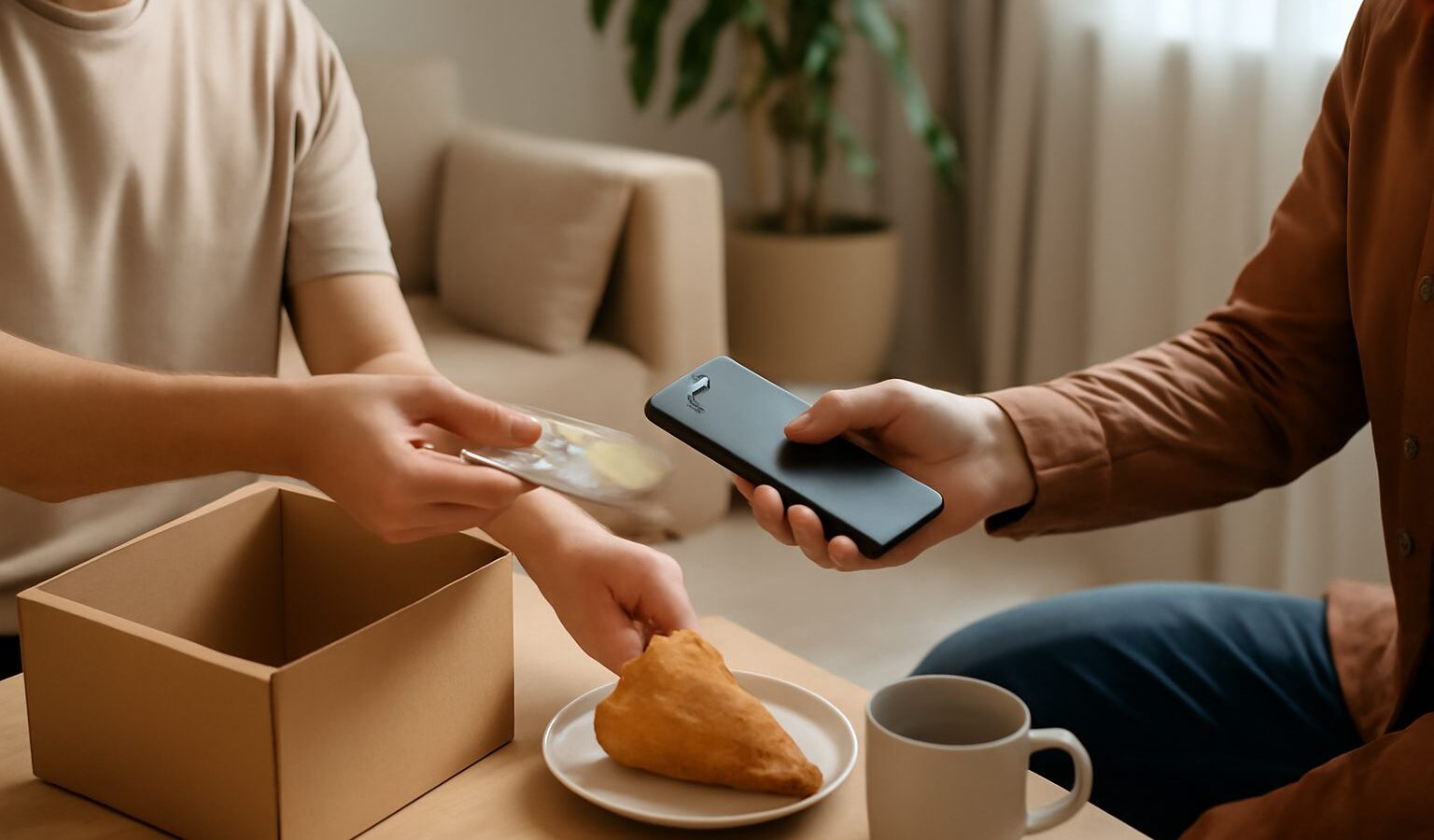
Peer-to-peer marketplaces have become one of the easiest ways to declutter, find a bargain, or hunt down something no shop still stocks. They also attract scammers who prey on the trust between strangers, which is why online marketplace safety in Singapore is worth taking seriously before you post a listing or send a deposit. Whether you are selling a used phone, buying furniture for a new flat, or flipping concert tickets, the same core habits protect you. This guide walks through the common scams, how to vet the person on the other end, how to pay and get paid without losing money, and what to do when a deal goes wrong.
How Marketplace Scams Actually Work
Most marketplace scams are not sophisticated hacks. They rely on urgency, a plausible story, and a moment where you drop your guard because the price is good or the buyer seems keen. Knowing the common playbooks makes them far easier to spot.
Watch for these recurring patterns:
- The overpayment trick. A buyer “accidentally” pays too much, sends a fake screenshot, and asks you to refund the difference before the real payment ever arrives.
- The fake payment confirmation. You receive an email or message dressed up to look like a bank or the platform, claiming funds are on hold until you click a link or pay a “release fee”.
- The deposit that vanishes. A seller asks for a deposit to “reserve” a hot item, then disappears or keeps inventing reasons to delay.
- The off-platform push. Someone quickly steers you to WhatsApp, Telegram, or a messaging app, away from the marketplace’s records and protections.
- The phishing link. A “buyer” sends a link to a page that mimics the platform or a bank, asking you to log in or enter card details to receive payment.
A genuine buyer does not need your banking login to pay you, and a genuine seller does not need a fee to “unlock” your money. Any message that creates panic, promises something too good, or rushes you off the platform deserves a hard pause. When in doubt, you can check a suspicious message or number using ScamShield, the national anti-scam resource.
Checking Out the Person Behind the Listing
Because you are dealing with a stranger, a few minutes of checking goes a long way. The platform gives you signals; your job is to read them.
Before you commit, look at:
- Profile age and reviews. A long history of genuine reviews is reassuring. A brand-new account with no ratings selling a high-value item is a warning sign.
- Listing quality. Real sellers usually post their own clear photos from several angles. Stock images lifted from the internet, or a reluctance to send more pictures, should make you cautious.
- Consistency. Does the story hold together? A price far below market value, a seller “overseas” who cannot meet, or an item that keeps changing details are all reasons to walk away.
- Willingness to meet or verify. For local goods, a seller who happily agrees to meet in person is far safer than one who insists on posting first and payment upfront.
Keep the whole conversation inside the marketplace’s own chat. It leaves a record the platform can review if something goes wrong, and it denies scammers the privacy they prefer. If a deal only works when you move to a private chat and pay in advance, that is usually the deal to skip.
Paying and Getting Paid Without Losing Money
How you handle money is where most losses happen, so choose the method that matches the situation. The table below compares common options for online marketplace safety in Singapore.
| Method | How it works | Safety level | Best for |
|---|---|---|---|
| Cash on meetup | Pay in person after inspecting the item | High for local, in-person deals | Furniture, electronics, anything you can check first |
| Platform-protected payment | The marketplace holds funds until delivery is confirmed | High, if you stay on-platform | Items posted by courier |
| PayNow or bank transfer | Instant transfer to the seller | Low; hard to reverse | Only sellers you already trust |
| Deposit before meetup | Partial payment to “reserve” an item | Very low | Best avoided entirely |
| Third-party or external link | Paying through a link the other party sends | Very low | Avoid; a common scam route |
The safest pattern for local goods is simple: meet in person, inspect the item, then pay by cash or an instant transfer you send yourself only after you are satisfied. For anything shipped, keep the payment inside the platform’s own protected system so there is recourse if the parcel never arrives. Treat any request to pay through an outside link, or to release money before you have the goods, as a scam until firmly proven otherwise.
Meeting Buyers and Sellers in Person
Many marketplace trades still end with a face-to-face handover, and a little planning keeps these meetups safe and smooth.
- Choose a busy, public place. MRT station concourses, shopping malls, and void decks near CCTV are all good. Avoid inviting strangers to your home or going to theirs.
- Meet in daylight where you can. Well-lit, populated spots discourage trouble and make inspection easier.
- Bring someone along for high-value deals. A second person adds safety, and for large items you may need the help anyway.
- Inspect before you pay. Power on the electronics, check for damage, and confirm the item matches the listing. Do not feel pressured to rush the check.
- Tell someone your plans. Let a family member or friend know where you are going, who you are meeting, and when you expect to be done.
- Trust your instincts. If something feels off when you arrive, you are always free to walk away. No deal is worth your safety.
For higher-value electronics such as phones and laptops, confirm the item is not locked to someone else’s account and, where relevant, ask for proof of purchase before money changes hands.
When a Deal Goes Wrong
Even careful traders occasionally get caught, so know your options in advance. Acting quickly limits the damage and helps others avoid the same trap.
- Stop communicating and gather evidence. Save the chat, listing, screenshots, and any transaction records before the other party deletes their account.
- Report to the platform. Marketplaces have dedicated channels to report scams and dishonest users, and they can suspend accounts and sometimes assist with recovery.
- Contact your bank immediately if you sent money to a scammer, using the number on your card or the bank’s official website, so they can attempt to freeze or trace the transfer.
- Use ScamShield to report the scam and check numbers or messages, and make a police report if you have suffered a financial loss so there is an official record.
- Warn others by leaving honest feedback where the platform allows it, which helps the wider community stay alert.
This article is general information only, and scam tactics, platform features and official channels change over time, so check the latest advice on ScamShield and the marketplace’s own help centre before acting on anything sensitive. It is not personalised financial or legal advice.
Handled with care, online marketplaces are a genuinely useful way to buy and sell. Keep conversations on-platform, verify the person, pay only in ways you can control, and meet somewhere safe, and you remove most of the risk before it ever reaches you.
Explore more
Marketplace safety sits alongside the wider skill of spotting fraud, so read our guide to avoiding scams in Singapore and the fundamentals in cybersecurity basics. For where to trade beyond peer-to-peer listings, see our overview of online shopping platforms in Singapore. If a deal ever leads to a compromised login, our guide to recovering a hacked account will help you lock things down.