
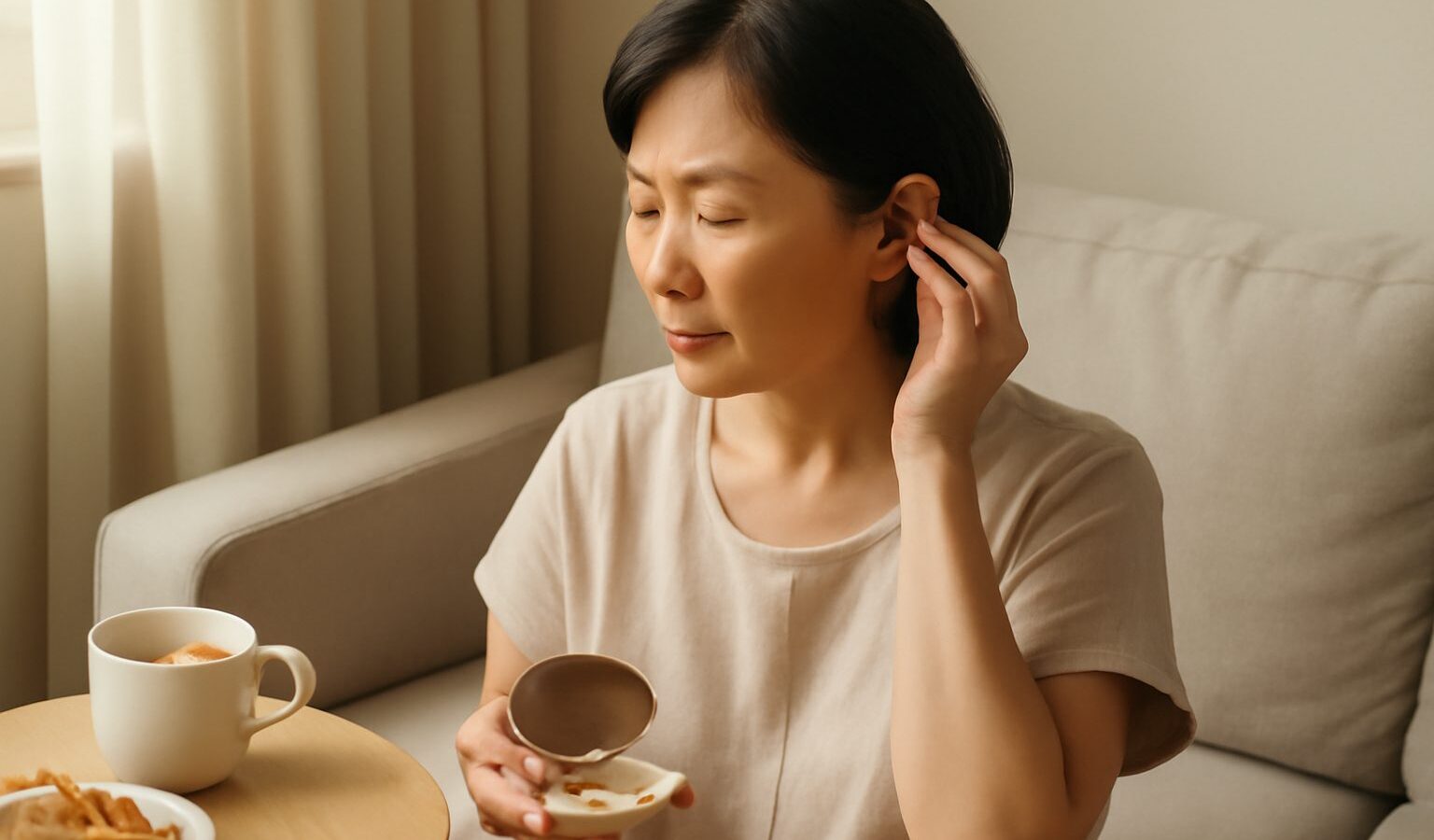
We tend to take our ears for granted until something goes wrong. Yet hearing shapes so much of daily life, from catching a friend across a noisy kopitiam to hearing a grandchild’s first words. Hearing health in Singapore deserves the same everyday care we give our eyes and teeth, and much of that care is simple and free. This is general information to help you protect your ears, not medical advice, so please see a doctor or an ENT specialist if you have concerns.
How Everyday Noise Affects Your Ears
Sound is measured in loudness and duration, and both matter. A brief loud burst and a long stretch of moderate noise can each tire the delicate hair cells inside the inner ear. These cells help turn sound into signals your brain understands, and once they are worn down over years, they do not fully recover. That is why protecting them early is so worthwhile.
In a dense, busy city, our ears rarely get true quiet. Think of the din on a construction-lined street, the roar inside a packed bus, live music at an event, or the earphones many of us wear for hours to block all of it out. None of this is cause for panic, but it is a reason to be a little kinder to your ears.
Signs your ears may have taken a beating include:
- Ringing, buzzing, or hissing in the ears, known as tinnitus
- A muffled or “full” feeling after a loud event
- Struggling to follow conversation in noisy places
- Turning the TV or phone up louder than others prefer
- Frequently asking people to repeat themselves
A temporary ringing after a loud concert usually fades. Ringing or muffling that lingers, or that keeps coming back, is worth getting checked.
Simple Habits to Protect Your Hearing
Most hearing protection comes down to managing volume and giving your ears rest.
Follow a sensible listening rule. With earphones, a widely shared guide is to keep the volume moderate and take breaks, rather than blasting music for hours. If someone beside you can clearly hear your music, or you cannot hear someone speaking to you, it is too loud.
Choose earphones that block outside noise. Good-fitting or noise-isolating earphones let you enjoy audio at a lower volume, because you are not fighting the MRT rumble. Turning music up to drown out background noise is a common trap.
Give your ears quiet time. After a loud event or a long day in headphones, let your ears rest in relative quiet. They recover better with breaks.
Protect yourself at loud events and DIY tasks. Carry a pair of soft foam earplugs for concerts, clubs, or noisy hobbies like drilling and mowing. They dull the harshness without ruining the experience.
Stand back from the speakers. At a gig or wedding dinner, a little distance from the speaker stack makes a real difference to how much noise your ears absorb.
Caring for Your Ears the Right Way
Day-to-day ear care is often about doing less, not more.
- Leave earwax alone. Wax is normal and protective, and the ear is largely self-cleaning. Cotton buds tend to push wax deeper and can irritate or injure the canal. Simply wipe the outer ear with a towel.
- Dry your ears gently. In our humidity, trapped moisture after swimming or showering can lead to itch or infection. Tilt your head to let water drain and dry the outer ear.
- Be careful with ear candles and DIY tools. These can do more harm than good. If wax is genuinely blocking your ear, a doctor can remove it safely.
- Manage general health. Conditions like diabetes and high blood pressure can affect hearing over time, so looking after your overall health helps your ears too.
Here is a quick comparison of habits that help your ears versus ones that quietly harm them.
| Kinder to your ears | Harder on your ears |
|---|---|
| Moderate volume with listening breaks | Loud music for hours without a pause |
| Noise-isolating earphones in transit | Cranking volume to beat background noise |
| Earplugs at concerts and DIY work | Standing right by the speakers unprotected |
| Wiping only the outer ear | Digging inside with cotton buds |
| Getting a check when sounds seem muffled | Ignoring persistent ringing or fullness |
Hearing and Ageing
As Singapore’s population ages, more of us will notice hearing change with the years, and that is a normal part of life. What is not helpful is pretending it away. Untreated hearing difficulty can make people withdraw from conversations, feel isolated, and tire quickly from the effort of straining to listen. Early attention keeps you connected to family and community.
If an older parent keeps the TV blaring, misses parts of conversation, or seems to be pulling back socially, a gentle nudge towards a hearing check is a caring move. Modern hearing aids and supports are discreet and can transform daily life. Family conversations, hawker-centre catch-ups, and phone calls with the grandchildren are all worth protecting.
When to See a Doctor
Book an appointment with a GP or ENT specialist if you notice:
- Tinnitus or muffled hearing that does not settle after a day or two
- A gradual sense that you are missing more of what people say
- Ear pain, discharge, or itch that lingers
- A feeling of blockage or fullness that does not clear
- Repeated ear infections
- Any concern about a child’s hearing or speech development
Some situations need urgent care. Seek prompt medical attention if you have sudden hearing loss in one or both ears, sudden severe ringing, ear pain with fever, dizziness with hearing loss, or hearing loss after an injury. Sudden hearing loss in particular is treated as an emergency, because getting help quickly can improve the outcome.
Looking after your hearing is really a lifelong habit of respecting volume, resting your ears, and getting things checked early. Treat your ears well now, and they will keep you connected to the sounds and people you love for years to come.
Explore more
Everyday self-care works best as a whole. If you are building healthier daily routines, our guide on protecting your eyes from screen strain pairs naturally with ear care, and looking after your oral health at home rounds out the everyday basics. For gentle movement through the day, see the health benefits of walking more.