
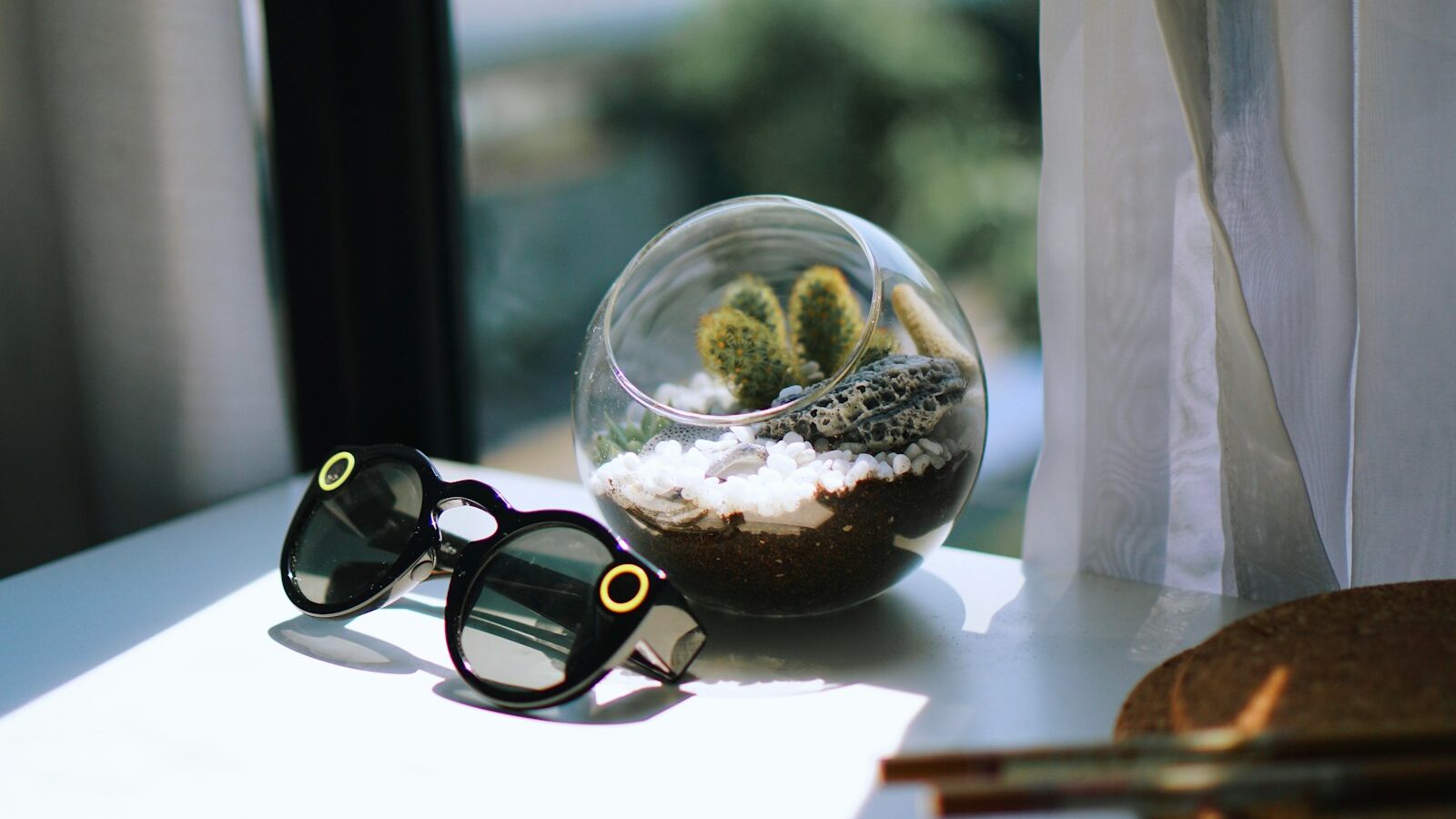
A terrarium is a tiny garden sealed or half sealed inside glass, and making a terrarium at home is one of the most forgiving ways to grow greenery in a flat. You do not need a balcony, a green thumb or much space. A clean glass jar on a shelf, a handful of small plants and half an hour is enough to start. This is a general guide for home hobbyists, not professional horticultural advice, so treat every tip as a starting point and adjust to what your own plants tell you.
The appeal in Singapore is obvious. Our heat and humidity, which make some hobbies a chore, are exactly what a closed terrarium wants. Inside the glass, moisture cycles from soil to leaf to lid and back, so a well made jar can go weeks with almost no attention.
Closed Versus Open Terrariums
The first choice is whether to seal the jar. The two styles suit very different plants and very different owners, so pick before you buy anything.
A closed terrarium has a lid or a narrow neck that traps moisture. It becomes a humid little rainforest, perfect for mosses, ferns and other plants that love damp air. It is low effort once balanced, but it can turn into a foggy, mouldy mess if you overdo the water. An open terrarium has no lid, so air moves freely and moisture escapes. It suits succulents and cacti that hate wet feet, though in our climate open jars dry slower than they would in a cooler country, so you still water sparingly.
| Feature | Closed terrarium | Open terrarium |
|---|---|---|
| Best plants | Ferns, moss, fittonia, baby tears | Succulents, cacti, air plants |
| Humidity inside | Very high, self sustaining | Low to moderate |
| Watering | Rarely, a light mist now and then | Small sips, only when soil dries |
| Main risk | Mould and fogging | Rot if watered like a closed jar |
| Effort level | Very low once balanced | Low, but needs brighter light |
Beginners in an HDB flat usually find a closed jar easiest, because the plants that thrive in it are cheap, hardy and happy in indirect light.
Building the Layers
A terrarium works because of its layers, each doing a job. Build them in order into a clean, dry container. Wash the glass first and let it dry fully so you are not sealing in stray bacteria.
- Drainage base. Add two to three centimetres of small stones, clay pebbles or coarse gravel. This holds excess water below the roots so they do not sit in a puddle.
- A filter layer. A thin sheet of fine mesh, or a shallow scatter of horticultural charcoal, stops soil washing down into the stones and helps keep the jar fresh.
- Charcoal. A light layer of activated horticultural charcoal helps absorb odours and keeps a sealed jar sweeter for longer. It is optional but worth it for closed builds.
- Growing medium. Add a few centimetres of a suitable potting mix. For moisture lovers use a peat free mix lightened with a little coco coir; for succulents use a gritty cactus mix.
- Plants and finishing touches. Nestle the plants in, firm the soil gently, then dress the surface with moss, pebbles or bark.
Keep the tallest plant toward the back or centre and leave a little breathing room between plants, because they will grow and you do not want leaves pressed against wet glass.
Choosing Plants That Thrive Here
Match the plant to the jar and to Singapore light. Most flats offer bright, indirect light near a window, which suits terrarium plants far better than harsh direct sun that would cook them behind glass.
- For closed jars: button ferns and other small ferns, fittonia (nerve plant), baby tears, selaginella and live moss. These love the humid, still air.
- For open jars: small succulents, haworthia, and air plants that you simply rest on top rather than plant.
- Slow growers are your friend. Fast plants quickly outgrow a jar and need constant trimming.
Buy small, healthy plants from a reputable nursery, and check the tag for light needs. Avoid mixing thirsty ferns and dry loving succulents in one container, because you cannot water them both correctly.
A quick safety note. Some popular houseplants are toxic if chewed and their sap can irritate skin. If you have young children or curious pets, stick to non toxic choices like ferns and moss, wear gloves if you are unsure about a plant, and wash your hands after handling cut stems.
Watering, Light and Mould Control
This is where most first jars go wrong, and almost always from too much water. A sealed terrarium recycles its own moisture, so it needs far less than a normal pot.
For a closed jar, water lightly at the start, seal it, then watch. You want a light misting of condensation that clears through the day. If the glass fogs up completely and stays that way, take the lid off for a few hours to let it breathe. If it looks bone dry with no condensation at all, add a small spray of water. Once balanced, a closed jar may need topping up only every few weeks.
For an open jar, water in small sips and only when the top of the soil feels dry. Never let water pool in the drainage layer for long.
Mould is the classic tropical problem, and prevention beats cure. Use clean tools and dry glass, do not overplant, and remove any dead or yellowing leaves promptly, because rotting matter is what mould feeds on. If white fuzz appears, take out the affected material, wipe the glass, and ventilate the jar for a day or two. A pinch of charcoal in the build helps keep things fresh.
Keep the terrarium out of direct sun. Behind glass, our afternoon sun turns a closed jar into an oven that will scorch leaves and cook roots. Bright, indirect light is ideal.
One important local point. A terrarium holds only tiny amounts of water and, kept sealed or barely moist, it is not a mosquito risk. But never let an open container sit with standing water inside, and empty any saucer under an open jar, because stagnant water breeds Aedes mosquitoes. Follow NEA Mozzie Wipeout habits and keep your gardening area free of pooled water, especially after rain.
Keeping It Alive Long Term
Once your jar settles, resist the urge to fuss. Trim leggy growth with clean scissors, remove fallen leaves, and wipe the inside glass if it films over. Do not fertilise much, if at all, because you want these plants to stay small; a very dilute feed once or twice a year is plenty for a closed jar. Rotate the container occasionally so all sides get even light.
If a plant dies, simply lift it out and replace it. A terrarium is a living thing that changes over months, and half the fun is tending it. Start with one modest jar, learn how it breathes, and you will soon want a shelf of them.
Explore more: No dig gardening in the tropics · Making kokedama moss balls · DIY organic fertilisers from kitchen waste