
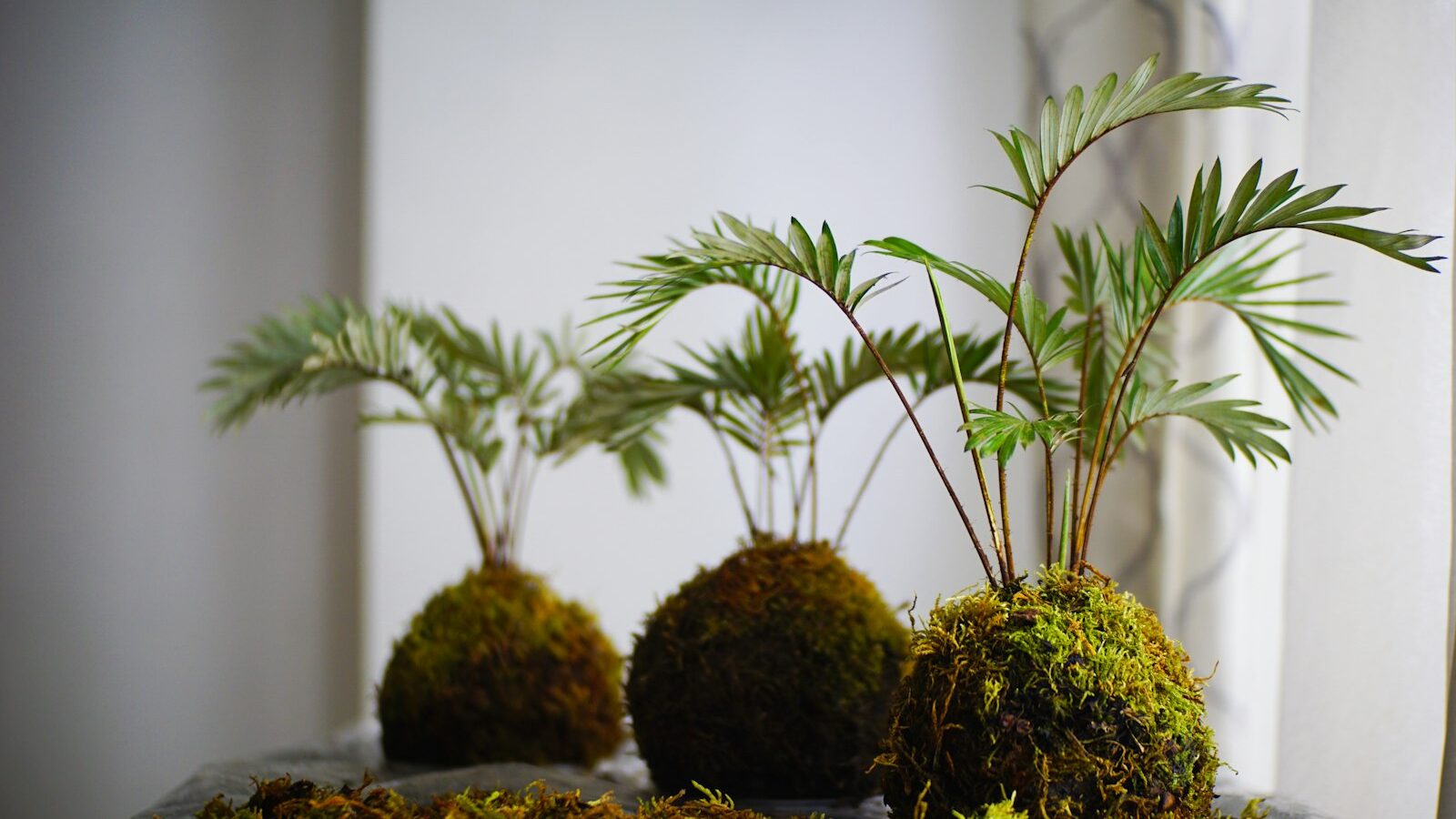
Kokedama is the Japanese art of growing a plant in a ball of soil wrapped in moss, with no pot at all. Making kokedama moss balls at home is cheap, meditative and surprisingly easy, and the finished pieces look wonderful sitting in a dish or hung in a cluster. You need a plant, some soil, a little moss and string, and a willingness to get your hands muddy. This is a general hobby guide, not professional horticultural advice, so adjust as your own plants respond.
The style suits small homes beautifully. A kokedama takes no shelf footprint that a pot would, and a group of them hung by a bright window makes a living curtain. Our warm, humid air also helps, because the exposed soil ball would dry out fast in a cooler, drier country.
What Kokedama Is and Why It Works
A kokedama, which loosely means moss ball, is a self contained root ball. The plant sits in a firm sphere of soil, the surface is clad in moss to hold everything together and keep moisture in, and string binds the whole thing. Roots grow within the ball, and you water by soaking the sphere rather than pouring into a pot.
It works because the moss layer slows evaporation while still letting the roots breathe. In practice it behaves like a very free draining pot, which is forgiving of the odd missed watering but unforgiving of constant sogginess. That balance suits Singapore, where the trick is keeping the ball moist without letting it turn into a damp, mould prone lump.
What You Need and the Soil Mix
Gather your materials before you start, because your hands will soon be too muddy to go hunting for scissors. Keep everything generic and inexpensive.
- A small, healthy plant with a modest root system.
- A moisture holding base such as coco coir or peat free compost.
- Something to give the ball structure and grip, traditionally a clay rich soil; a heavier garden loam or a bonsai style akadama substitute works.
- Sheet moss or preserved moss to wrap the outside.
- Natural twine, cotton string or fishing line for binding.
- A bucket of water, a bowl, and old newspaper to catch the mess.
The classic mix is roughly two parts of the sticky, structural soil to one part moisture holding coir or compost. You want a mix that clumps and holds a shape when squeezed damp, like a firm mud pie. If it crumbles apart it needs more of the sticky component or a little more water; if it slumps into sludge it is too wet.
Making the Ball Step by Step
Set aside about half an hour and work over newspaper. Take it slowly the first time.
- Prepare the plant. Gently remove it from its pot and tease away loose soil until you have a manageable root ball. Do not strip the roots bare, just reduce the bulk.
- Mix the soil. Combine your structural soil and coir, add water a little at a time, and knead until it holds together firmly.
- Form the sphere. Take a couple of handfuls, press into a ball, then open a hollow in the middle. Nestle the plant roots into the hollow and mould the soil around them into a firm, even sphere a little larger than a tennis ball for most plants.
- Wrap in moss. Dampen your sheet moss and press it over the whole ball, green side out, covering every gap.
- Bind it. Wind string firmly around the ball in all directions until the moss is held snug and the sphere feels solid. Tie off the end. It should not sag or shed soil when lifted.
Let it settle for a day out of direct sun before choosing where to display it. If you want a hanging string garden, leave a loop of stronger line at the top.
Choosing Plants That Suit Our Climate
Pick plants that enjoy humidity and can cope with roots that swing between moist and lightly dry. Slow to moderate growers keep their shape longest.
- Reliable choices: ferns, pothos, philodendron, peperomia, small anthuriums, spider plants and many foliage aroids.
- For brighter spots: some small begonias and asparagus fern do well.
- Avoid true succulents and cacti, which hate the moisture a moss ball holds, and avoid very large or fast plants that will quickly overwhelm the ball.
Buy from a reputable nursery and check the plant tag for light needs. A safety note worth repeating: several popular foliage plants, including pothos, philodendron and other aroids, are toxic if eaten and their sap can irritate skin and eyes. Keep kokedama made from these away from young children and pets, wear gloves when handling cut roots or stems, wash your hands after, and choose non toxic ferns if little ones or animals might nibble.
Here is a quick comparison to help you match plant to spot.
| Plant type | Light it wants | Watering rhythm | Notes for Singapore |
|---|---|---|---|
| Ferns | Bright, indirect | Keep ball reliably moist | Love our humidity, non toxic |
| Pothos or philodendron | Low to bright indirect | Soak when ball feels light | Hardy but toxic if eaten |
| Peperomia | Bright, indirect | Let ball dry slightly between soaks | Compact, tidy habit |
| Spider plant | Bright, indirect | Moderate, even moisture | Forgiving for beginners |
Watering, Mould and Everyday Care
Watering kokedama is a soak, not a sprinkle. When the ball feels noticeably lighter than usual, or the moss looks dry, lower it into a bowl or bucket of water and hold it under until bubbles stop rising, usually a few minutes. Lift it out, let the excess drain in a sink, then return it to its spot. Depending on the plant and the weather, this might be every few days to about once a week.
Never let a kokedama sit in a dish of standing water. In Singapore, stagnant water in a saucer or display bowl can breed Aedes mosquitoes, so tip out any water that collects after soaking or after rain, and follow NEA Mozzie Wipeout habits. Keep hanging balls where drips will not pool.
Mould and rot are the main tropical worries. Give each ball good air movement, do not let the moss stay sodden for days, and keep them out of dark, stuffy corners. If you see fuzzy mould, ease off watering, improve airflow, and pick away any slimy moss. A ball that smells sour or feels permanently squishy has been kept too wet.
Feed only lightly. A very dilute liquid feed mixed into the soak water once a month or so during active growth is plenty. Over time roots fill the ball; when it dries out too fast to keep up, unwrap it, add fresh soil around the roots, and rebind. With this simple rhythm a kokedama can thrive for years.
Explore more: Making a terrarium at home · Vermicomposting with worms · DIY organic fertilisers from kitchen waste