
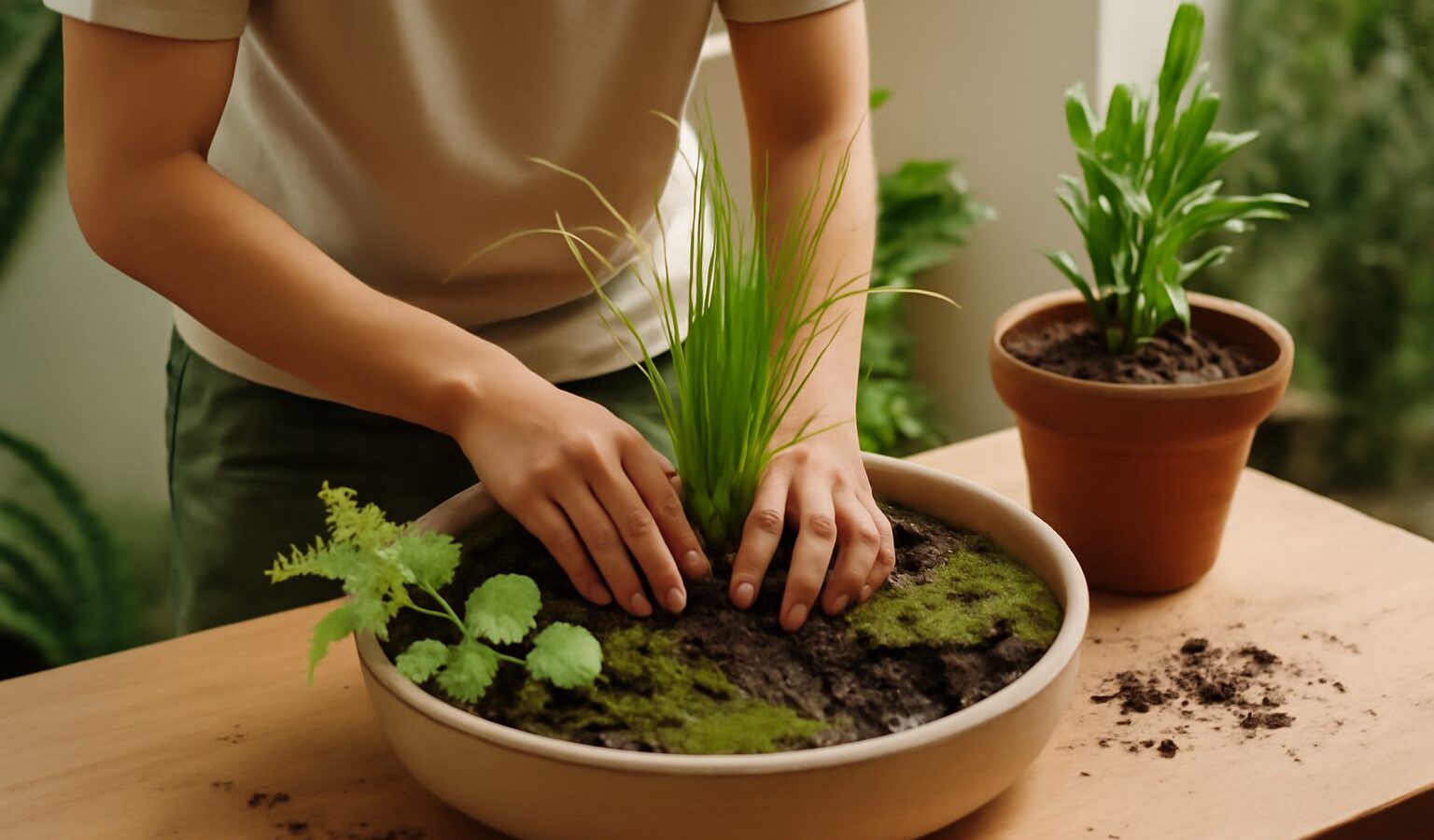
Most gardening advice warns against soggy soil, and for good reason, since it rots the roots of ordinary plants. But a whole family of plants loves exactly that: constant moisture, rich damp soil, and roots that never fully dry out. A bog garden singapore hobbyists can build gives these moisture-lovers the permanently wet home they crave, from carnivorous pitcher plants to lush marginal foliage. The good news is that our warm, humid, rain-fed climate suits a bog beautifully, and you can make one in a container on a balcony or as a small bed. This guide explains how to build one, what to grow, and how to keep it healthy.
What a Bog Garden Is and Why It Suits Singapore
A bog garden mimics the edge of a marsh: soil that stays wet and low in nutrients, sitting above a water reserve so roots are always moist but not completely submerged. It is different from a pond, where plants sit in open water, and different from a normal pot, which is designed to drain freely. The trick is a container or lined bed that holds water at the base while the surface stays damp.
Our climate does a lot of the work for you. Frequent monsoon rain tops the bog up naturally, and the steady humidity keeps the surface from drying out as fast as it would in a hotter, drier place. That said, a bog in full tropical sun can heat up and evaporate quickly, so a spot with morning sun and some afternoon shade often works best, especially for delicate species.
One important note on water. Many classic bog plants, particularly carnivorous ones, dislike the minerals in tap water. Rainwater is ideal, and thankfully we get plenty of it, so positioning your bog to catch rain, or keeping a rain-filled watering can nearby, keeps these fussier plants happy. If carnivorous plants are your goal, read alongside our guide to growing carnivorous plants in Singapore for species-specific care.
Building Your Bog Garden Step by Step
You can build a bog in a large pot, a tub, or a lined section of a raised bed. A container bog is the most balcony-friendly and easiest to control. Here is the basic method:
- Choose a watertight container, or line a leaky one with plastic. A large glazed pot, a plastic tub, or a half barrel all work.
- Make a small overflow. Drill one or two drainage holes a few centimetres up from the very bottom, not at the base. This keeps a reservoir of water below while letting excess drain during heavy rain so the soil never goes fully stagnant.
- Add a shallow water-holding layer at the bottom, then fill with a low-nutrient, moisture-holding mix. A blend heavy in materials that hold water but stay open works well; avoid rich, fertiliser-loaded compost, which many bog plants resent.
- Wet everything thoroughly before planting so the whole mix is saturated.
- Plant your moisture-lovers, then keep the soil permanently damp, topping up with rainwater when the level drops.
If you are choosing a container for this project, sizing matters, since a bigger volume of soil stays evenly moist and buffers against drying out. Our guide to how to choose pots and planters helps you pick something suitable and watertight.
A safety word if you have young children or curious pets: any open water, even shallow, needs supervision, and some bog and carnivorous plants can be toxic if chewed. Keep the bog where little ones cannot reach it, and site it stably so it cannot be knocked over.
Planting and Maintaining a Healthy Bog
Good bog plants for our climate include carnivorous pitcher plants and sundews for a sunny, rain-fed bog, plus various moisture-loving foliage and marginal plants that enjoy wet feet. Group plants with similar needs together, and avoid mixing in ordinary houseplants that will simply rot in the constant wet.
Maintenance is refreshingly light. The main job is keeping the water topped up, ideally with rainwater, especially during any dry, hot spell when evaporation speeds up. Do not fertilise a carnivorous bog, as these plants get their nutrients from insects and can be harmed by feeds. Trim off dead leaves to keep things tidy and reduce the mould and fungus that damp conditions can encourage; our notes on dealing with mould and fungus on plants help if you spot any.
Watch for stagnation. The little overflow holes are what keep the water fresh rather than sour, so make sure they stay clear. After heavy monsoon rain, check that excess has drained and the bog has not turned into a stinking puddle.
A Wet Corner Worth Having
A bog garden turns the one thing most gardeners fight, constant moisture, into a feature, giving a home to fascinating plants that ordinary pots would kill. With a watertight container, a raised overflow, low-nutrient soil, and a steady supply of rainwater, you can build one that thrives in Singapore’s humid warmth. Keep it topped up, skip the fertiliser on carnivorous species, and enjoy a lush, boggy corner that celebrates our rainy climate instead of resisting it.