
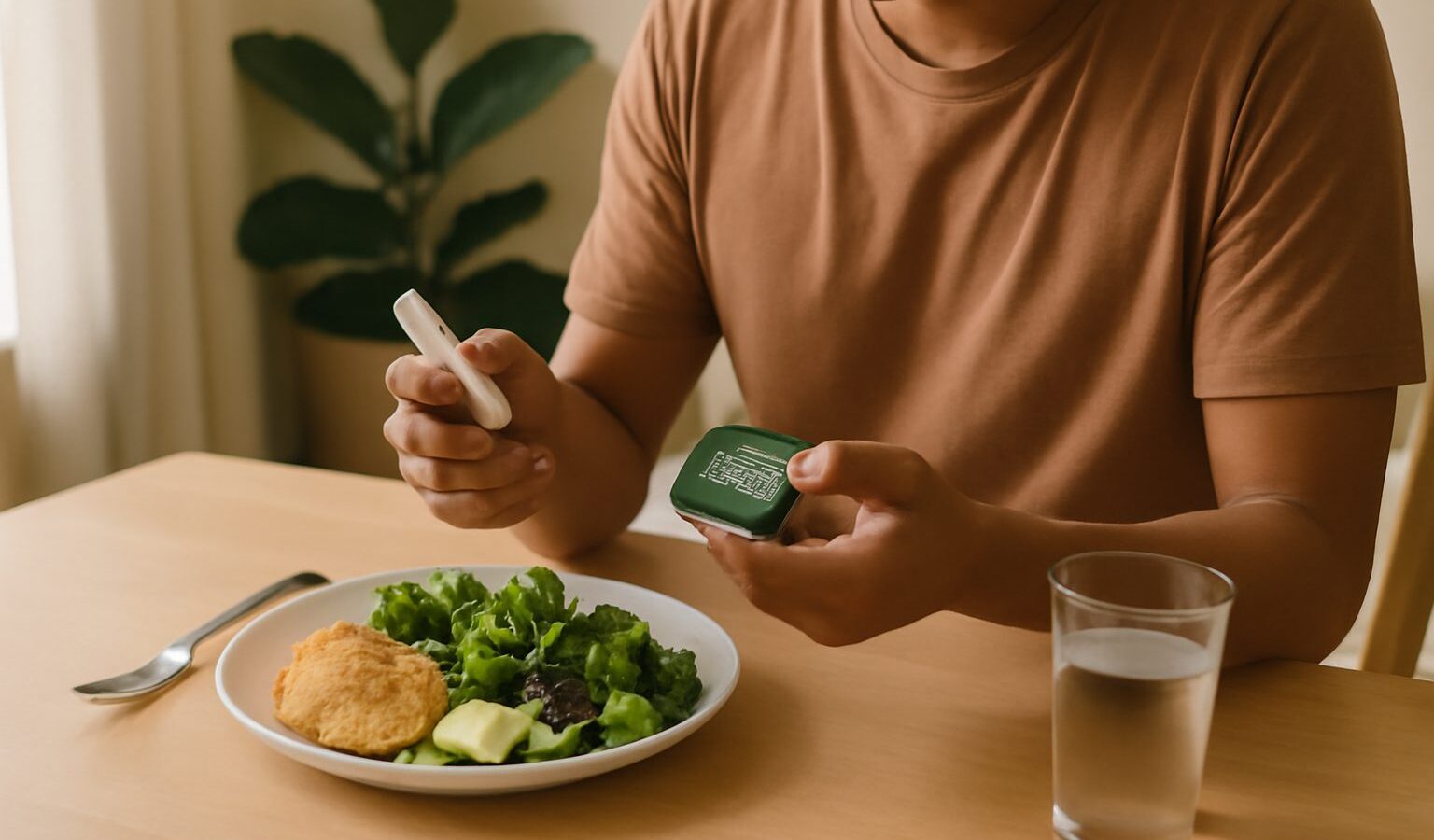
Diabetes and high blood pressure, known as hypertension, are two of the most common long-term health conditions in the world, and many newcomers arrive in Singapore already living with one or both. If you are settling in and wondering how to keep up your care, this guide to diabetes management in Singapore offers general, supportive information about where to go, what to expect, and the everyday habits that support good health. Please treat it as background only. It is not medical advice, and you should see a doctor for diagnosis, treatment, and any decisions about your care.
The most important message comes first. Never stop or change any prescribed medication on your own, even if you feel well or have run low after moving. If your prescription was written in China, or your supply is running out, arrange to see a doctor here promptly so your treatment can continue safely without a gap. A new city, a new diet, and a new routine can all affect these conditions, which is exactly why staying connected to a doctor matters so much.
Understanding the two conditions
Diabetes is a condition in which the level of sugar, or glucose, in your blood is too high, either because the body does not make enough insulin or cannot use it well. Hypertension means the pressure of blood against your artery walls stays higher than it should over time. The two often appear together, and both can be managed well, but both can also quietly cause harm to the heart, kidneys, eyes, and other organs if left unchecked. Because they frequently have few obvious symptoms, regular monitoring is the key to catching problems early.
Moving countries can unsettle conditions that were previously stable. Your diet may change as you discover new foods and eat out more often, your activity levels may rise or fall, and the stress of relocating can itself affect blood sugar and blood pressure. Sleep, alcohol, and work pressure all play a part too. None of this means you have done anything wrong. It simply means the early months in a new place are a sensible time to check in with a doctor and re-establish a routine that works for your life here.
If you monitor your own readings at home, keep a simple record of your blood sugar or blood pressure and bring it to appointments. Patterns over time tell a doctor far more than a single reading, and your notes can make each visit more useful.
Where to get care in Singapore
Singapore has an accessible and well-run system for managing long-term conditions, and you have several options depending on your needs and budget. The two most common starting points are polyclinics and private general practitioners, often called GPs.
Polyclinics are government-subsidised health centres that provide check-ups, chronic disease management, medication, and referrals under one roof, usually at lower cost. They are well set up for ongoing conditions like diabetes and hypertension, and many offer team-based care including nurses and, where relevant, dietitians. Private GP clinics are found in almost every neighbourhood, are usually quicker to visit, and can manage stable conditions and prescriptions, though fees are typically higher. For more complex situations, either can refer you to a specialist or a hospital clinic. If cost is a concern, ask about the CHAS scheme, which helps eligible residents with subsidised care at participating clinics, and about MediSave, which can be used for certain approved outpatient treatments under national guidelines.
The Health Promotion Board, known as HPB, publishes free, reliable resources on healthy eating, physical activity, and managing chronic conditions, and these are a good, trustworthy starting point for general information. When you first see a doctor here, bring your medical records, a list of your current medicines and doses, and any home readings you have kept. This helps them continue your care smoothly.
Here is a simple guide to matching your need with a starting point.
| Your need | A sensible option | Good to know |
|---|---|---|
| Ongoing condition management | Polyclinic | Subsidised; team-based chronic care |
| Quick, nearby visit | Private GP clinic | Faster access; usually higher fees |
| Help with cost | Ask about CHAS and MediSave | Eligibility rules apply |
| Trusted general information | HPB resources | Free and reliable; not a diagnosis |
Everyday habits that support your health
Alongside medical care, daily habits make a real difference, and Singapore offers plenty of ways to build them. Think of these as general lifestyle basics rather than instructions for your specific case, since your doctor knows your history best.
A balanced diet is central. Singapore’s hawker centres and food courts are wonderful, but portions of rice, noodles, and sweet drinks can add up quickly. Simple swaps help, such as asking for less rice, choosing clear soups over rich gravies, picking water or unsweetened drinks instead of sugared ones, and adding more vegetables. You do not have to give up the foods you love, only to balance them and watch how often and how much you eat. Reducing salt supports blood pressure in particular, so go easy on very salty and heavily processed foods.
Regular movement matters just as much. Singapore’s parks, park connectors, and covered walkways make daily walking easy even in the heat, and swimming pools and community centres offer affordable options. Aim to build activity gently into your routine rather than chasing sudden intense efforts, and check with your doctor before starting anything strenuous. Not smoking, keeping alcohol modest, sleeping well, and finding healthy ways to manage stress all protect your heart and blood sugar too. Because the tropical climate means you can lose fluids quickly, staying hydrated is sensible, though if your doctor has advised you to limit fluids for a specific reason, follow their guidance.
Finally, keep your appointments and your monitoring going even when you feel fine, because that is precisely when these conditions are most manageable. Living well with diabetes or hypertension in Singapore is entirely achievable. With steady care from a doctor, sensible daily habits, and the good resources available here, you can settle in and look after your health at the same time. If you feel unwell, notice new symptoms, or have any doubts, see a doctor rather than waiting.