
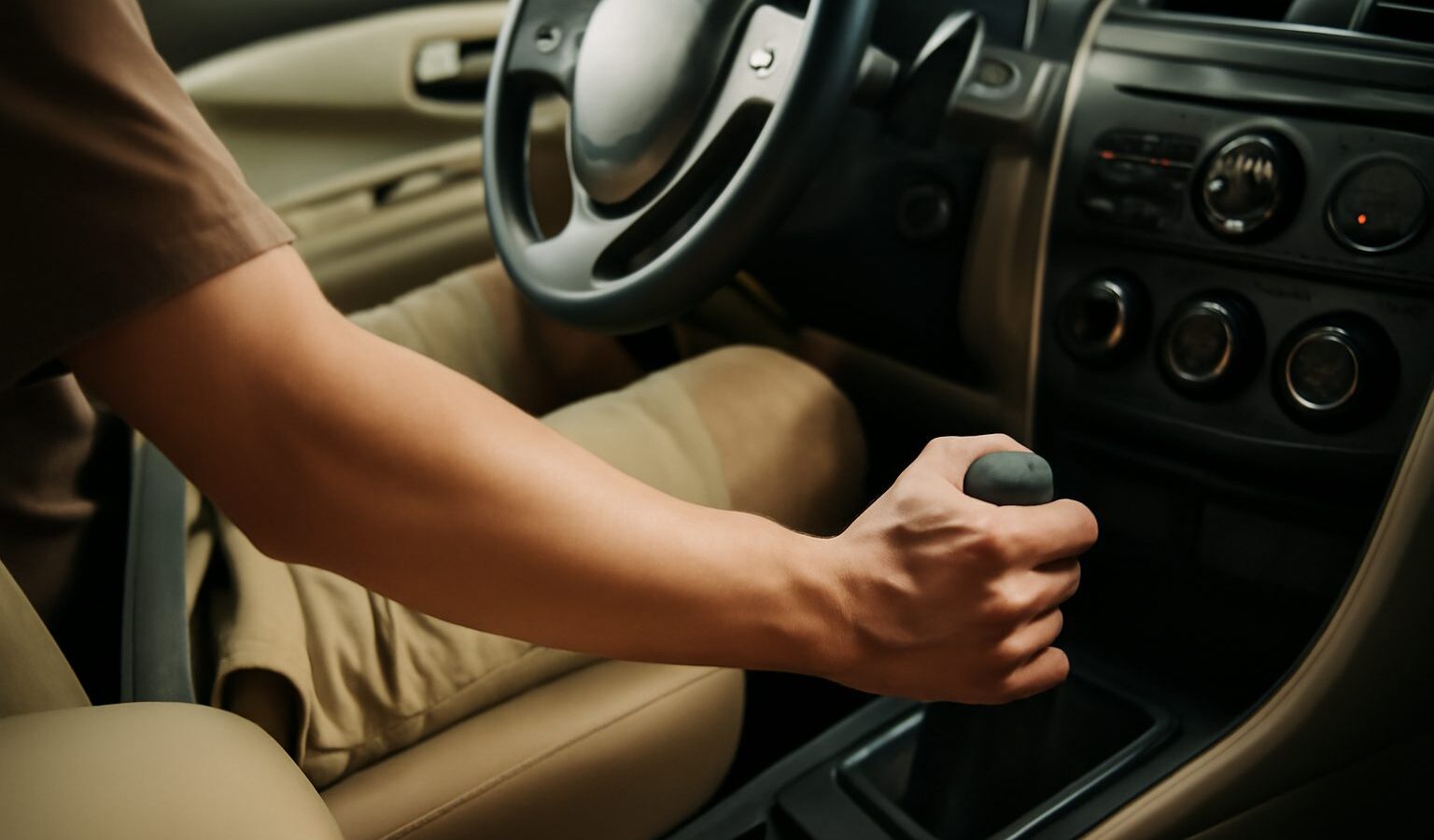
Clutch control is the skill that separates a smooth, confident manual driver from one who lurches, stalls, and rolls back at every junction. It is also the part that intimidates most learners. The good news is that clutch control is not magic; it is a feel you build with a little understanding and steady practice. Whether you drive a manual by choice, borrow one occasionally, or are learning for your licence, this guide explains the biting point, hill starts, smooth changes, and how to avoid the two classic mistakes: stalling and riding the clutch. If you are a learner, always defer to your driving instructor, who can guide you safely in the car.
What the Clutch Actually Does
In a manual car the clutch connects and disconnects the engine from the wheels. Press the pedal fully and you separate the two, letting you start the engine, change gear, or sit still with a gear engaged. Release it and the two reconnect, so the engine can drive the wheels.
The key idea is that this connection is not a simple on or off switch. As you lift the pedal, two spinning plates gradually come together and start to grip. That transition zone is where all the skill lives. Slip the plates gently and you pull away smoothly; drop them too fast and the engine cannot keep up, so it stalls; hold them half-gripped for too long and you wear them out. Understanding this makes everything that follows more logical.
Finding the Biting Point
The biting point is the moment during pedal release when the clutch first begins to grip and the car wants to move. Learning to find it by feel, not by staring at the pedal, is the foundation of clutch control.
To find it on flat, safe ground, with the handbrake on and the car in first gear:
- Press the clutch fully and select first gear.
- Add a touch of gas to bring the engine to a steady, gentle idle-plus, then hold your right foot still.
- Lift the clutch slowly and smoothly until you hear the engine note dip slightly and feel the car strain gently forward. That is the biting point.
- Hold it there for a moment to register the feel, then release the handbrake and let the clutch up the last part gradually as the car moves off.
Every car bites at a slightly different pedal height, which is why unfamiliar and rental cars feel awkward at first. Spend the first minute in a new manual finding its biting point in a safe, empty space before you rely on it in traffic.
Smooth Hill Starts Without Rolling Back
Singapore has plenty of slopes: multi-storey carpark ramps, flyovers, and the inclines out of basement HDB carparks. A hill start is simply a normal pull-away with the added job of not rolling back into the car behind. The handbrake is your friend here.
- Hold the car on the handbrake with the clutch pressed and first gear selected.
- Bring the engine up to a steady, gentle rev with the accelerator.
- Lift the clutch to the biting point; you will feel the car settle and the nose lift slightly.
- As you feel that bite, release the handbrake smoothly while easing the clutch up the rest of the way and adding a little more gas.
- The car moves forward without rolling back.
The order matters: reach the biting point first, then release the handbrake. Rushing the handbrake before the clutch bites is what causes the roll-back. With practice this becomes one flowing motion. Many modern manuals also have hill-hold assist that briefly holds the brakes for you, but do not rely on it; learn the handbrake method so you can drive any manual car.
Smooth Gear Changes and Everyday Driving
Once moving, clutch control is about clean, unhurried changes rather than holding the biting point. A smooth change follows a simple rhythm.
- Ease off the gas as you press the clutch fully.
- Move the gear lever deliberately into the next gear without forcing it.
- Lift the clutch smoothly while gently feeding the accelerator back in.
Match the engine speed to your road speed and the changes feel seamless. Change up as the engine rises comfortably and change down before it labours, especially approaching a slope or an overtake where you need pulling power. In stop-start expressway crawls, use first or second and short, gentle clutch inputs rather than slipping the clutch continuously.
Stalling and Riding the Clutch: The Two Big Mistakes
Two errors define the learning curve. Understanding both helps you avoid them.
Stalling happens when you release the clutch too quickly or without enough engine speed, so the engine cannot cope and cuts out. It is harmless to the car and easily recovered: press the clutch, put the car in neutral, restart, and try again more gently. Nerves make it worse, so breathe and slow your foot down.
Riding the clutch means resting your foot on the pedal or holding it part-engaged when you do not need to, for example creeping along a slope on the clutch instead of the brake. This wears the clutch prematurely and is an expensive habit. The table below compares the two.
| Aspect | Stalling | Riding the Clutch |
|---|---|---|
| What it is | Engine cuts out on release | Foot held on a part-engaged clutch |
| Usual cause | Lifting too fast, too little gas | Resting the foot, holding the biting point |
| Effect on car | Harmless, just restart | Premature clutch wear, costly repair |
| The fix | Slower lift, a touch more gas | Foot fully off when not changing gear |
| When it shows | Junctions and hill starts | Slow traffic and slopes |
The cure for both is the same discipline: use the biting point only when pulling away, then get your foot fully off the pedal, and hold the car on the brake or handbrake, never the clutch, when stationary on a slope.
Practising Safely and Legally
Build the skill in the right places. An empty, legal, open space such as a quiet carpark, with the owner’s or operator’s permission, lets you find the biting point and practise pull-aways without pressure. Progress to gentle slopes and quiet roads only when you are ready and properly licensed to drive on them.
Never practise on public roads unless you hold the correct licence or are under formal instruction, and always follow the Highway Code, Traffic Police, and LTA rules. Keep to speed limits, signal early, and stay calm; smoothness comes from relaxed, unhurried inputs, not force. If you are learning for your licence, your driving instructor’s guidance in the car takes priority over any article. This is general information to help you understand the technique, not a substitute for professional driving instruction.
Building Real Confidence
Clutch control clicks with repetition. The first few sessions feel clumsy, then one day the biting point becomes instinct and hill starts stop scaring you. Focus on smoothness over speed, keep your foot off the clutch whenever you are not changing gear, and treat every unfamiliar manual as a chance to relearn its bite in the first quiet minute. Do that, and driving a manual in Singapore’s slopes and traffic becomes second nature rather than a source of dread.