
If you have ever walked past a shop window stacked with elegant gift boxes in early autumn, or seen children swinging glowing paper lanterns through a park at dusk, you have already brushed against the mid autumn festival singapore loves so dearly. It is one of the warmest, most family-centred celebrations on the local calendar, and you do not need to be Chinese to enjoy it. Whether you have lived here your whole life or arrived only last month, this guide explains what the festival is about, how the island marks it, and how you can join in.
What the Mid-Autumn Festival celebrates
The Mid-Autumn Festival, also known as the Mooncake Festival or the Lantern Festival, falls on the 15th day of the eighth month in the Chinese lunar calendar. Because it follows the moon rather than the Western calendar, the date changes each year, usually landing sometime in September or early October. On that night the full moon is at its brightest and roundest, and roundness in Chinese culture symbolises completeness, reunion, and family togetherness.
At its heart, this is a harvest festival. Long ago, communities gathered after the growing season to give thanks for a good crop under the autumn moon. Over the centuries it grew into an occasion for families to reunite, share food, and simply sit together under the sky.
The legends behind the moon
Most beloved is the tale of Chang’e, the moon goddess. In the popular version, her husband Hou Yi was a heroic archer who was given an elixir of immortality. To keep it from falling into the wrong hands, Chang’e drank it herself and floated up to the moon, where she has lived ever since. On the night of the festival, people look up and imagine her there, and it is said that Hou Yi would set out her favourite foods in her memory. You may also hear of the Jade Rabbit that keeps her company, forever pounding herbs, and of the woodcutter Wu Gang endlessly chopping a self-healing tree.
There is history woven in too. One story tells how, during the fall of a dynasty, secret messages calling people to rise up were hidden inside cakes and passed from household to household. It is a charming reason for why we share cakes to this day, whether or not every detail is strictly true.
Mooncakes and the gifting culture
You cannot talk about this festival without talking about mooncakes. These dense, palm-sized round pastries are the edible symbol of the season, and giving them is a genuine social ritual. In the weeks leading up to the big night, bakeries, hotels, and shopping malls fill with beautifully packaged boxes. People buy them not only to eat but to give: to parents and grandparents, to bosses and colleagues, to business contacts, and to friends. Presenting a box of mooncakes is a graceful way to say thank you, to honour your elders, and to wish someone reunion and good fortune.
Traditional, snowskin, and modern flavours
Part of the fun is how much variety you will find. As a rough guide, mooncakes fall into a few broad families:
- Traditional baked mooncakes. A rich golden-brown pastry skin wrapped around lotus seed paste, often with one or more salted egg yolks in the centre to represent the full moon. Red bean and white lotus are common fillings too.
- Snowskin (snow-skin) mooncakes. A more modern, chilled style with a soft, mochi-like skin that is not baked. They come in lighter, fruitier flavours and are usually served cold.
- Modern and gourmet creations. Each year brings playful new fillings, from chocolate and salted caramel to durian, matcha, teh tarik, and even champagne-infused truffle centres. Singapore’s hotels are especially known for these inventive editions.
Mooncakes are meant to be shared, not devoured alone. They are rich, so a single one is traditionally cut into small wedges and passed around with tea. If you receive a box, opening it with the people around you is part of the pleasure.
A gentle tip for newcomers: mooncakes are sweet and filling. Start with a thin slice, pair it with hot tea, and you will understand why they are made for sharing rather than solo snacking.
Lanterns and children’s lantern walks
The other great symbol of the season is light. This is the Lantern Festival as much as the Mooncake Festival, and once evening falls the lanterns come out. Traditional versions are made of paper and bamboo, often shaped like rabbits, carp, or lotus flowers and lit with a small candle inside. These days you will just as easily see battery-powered lanterns that flash, spin, and even play tunes, much to the delight of small children.
Families take their little ones on lantern walks through neighbourhood parks and gardens, a slow, happy procession of bobbing lights. It is one of the loveliest, gentlest traditions of the festival, and one of the easiest to join. If you have children, buying a lantern from a local shop or supermarket in the run-up to the festival and taking an evening stroll is a simple way to take part. Do take care with candle-lit paper lanterns near dry leaves or clothing; many families now prefer the electronic kind for exactly this reason.
The Chinatown light-up and lantern displays
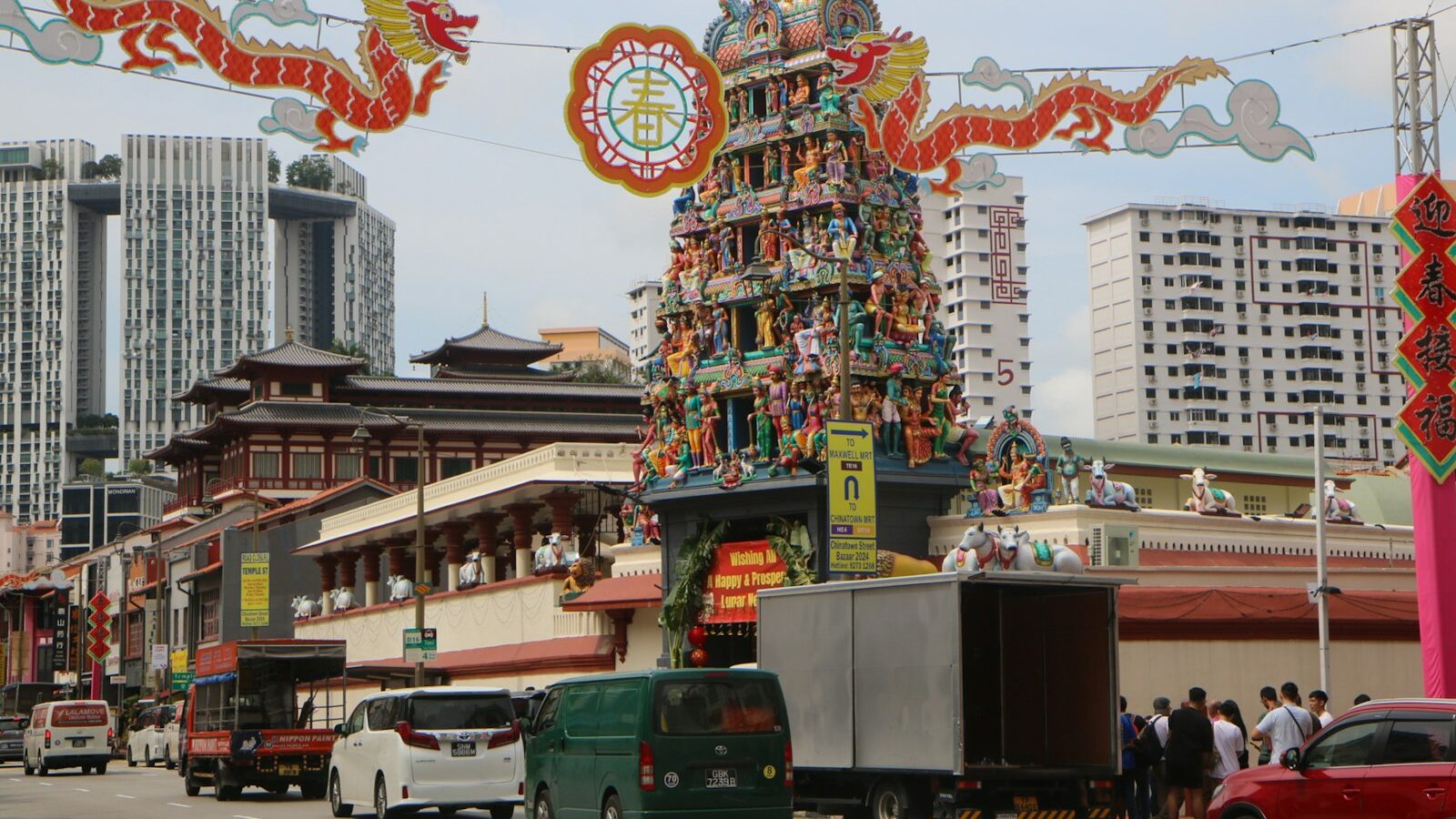
If you want the full spectacle, head to Chinatown. The chinatown mid autumn celebrations transform the district each year with a grand street light-up: rows of glowing lanterns strung overhead, themed installations, and a festive street bazaar selling mooncakes, tea, pomelos, toys, and lanterns of every size. The main streets fill with stalls and the air smells of roasted chestnuts and sweet snacks. There are usually cultural performances, mass lantern displays, and plenty of families out enjoying the evening cool.
Beyond Chinatown, the Gardens by the Bay area is well known for its large-scale lantern sculptures, which draw crowds who come simply to walk among the illuminated figures and take photos. Many parks, community centres, and clan associations also host their own smaller celebrations. Because dates shift with the lunar calendar, check event listings closer to the time, as displays typically run for a couple of weeks around the festival itself.
Tea, pomelos, and the quiet pleasures
Not everything about the festival is bright lights and bustle. Much of it is quiet and homely. Tea is the natural partner to mooncakes: a pot of fragrant Chinese tea cuts through the richness of the pastry and turns eating into a slow, sociable ritual. Families gather on balconies, in void decks, and in gardens to sip tea, share cake, and admire the moon together.
Pomelos are another seasonal favourite, their round shape echoing the full moon and their name sounding auspicious in Chinese. Children sometimes wear the hollowed-out rind as a hat, a small silly tradition that never gets old.
How newcomers can join in
The best thing about this festival is how welcoming it is. You do not need an invitation or any special knowledge. Here is a short checklist to help you take part:
- Buy and share mooncakes. Pick up a box or two from a bakery, hotel, or supermarket. Try a traditional lotus mooncake and a snowskin one to taste the difference, and share them with friends, neighbours, or colleagues.
- Get a lantern. Buy a paper or electronic lantern and join an evening walk in a nearby park. It is especially magical for children.
- Visit Chinatown. Go for the light-up and street bazaar. Bring a friend, browse the stalls, and soak up the atmosphere.
- See the big lantern displays. Plan an evening at Gardens by the Bay or another public display to wander among the glowing sculptures.
- Brew some tea and look up. On the night itself, find a spot with a clear view of the moon, pour some tea, and enjoy the simple pleasure of a bright full moon.
If a local colleague or neighbour offers you a slice of mooncake, accept it warmly; sharing food is exactly the point. A small return gift of mooncakes later in the season is always appreciated and never expected.
A festival of reunion
More than the cakes and the lanterns, the mid autumn festival singapore celebrates is really about coming together. It is a night to slow down, to gather the people you care about, and to look up at the same round moon that families across the region are watching too. Whether you mark it with an elaborate hotel mooncake box or a single supermarket lantern, the spirit is the same: warmth, gratitude, and togetherness under a full autumn moon.
Explore more: A guide to Singapore’s festivals and Lunar New Year in Singapore.