
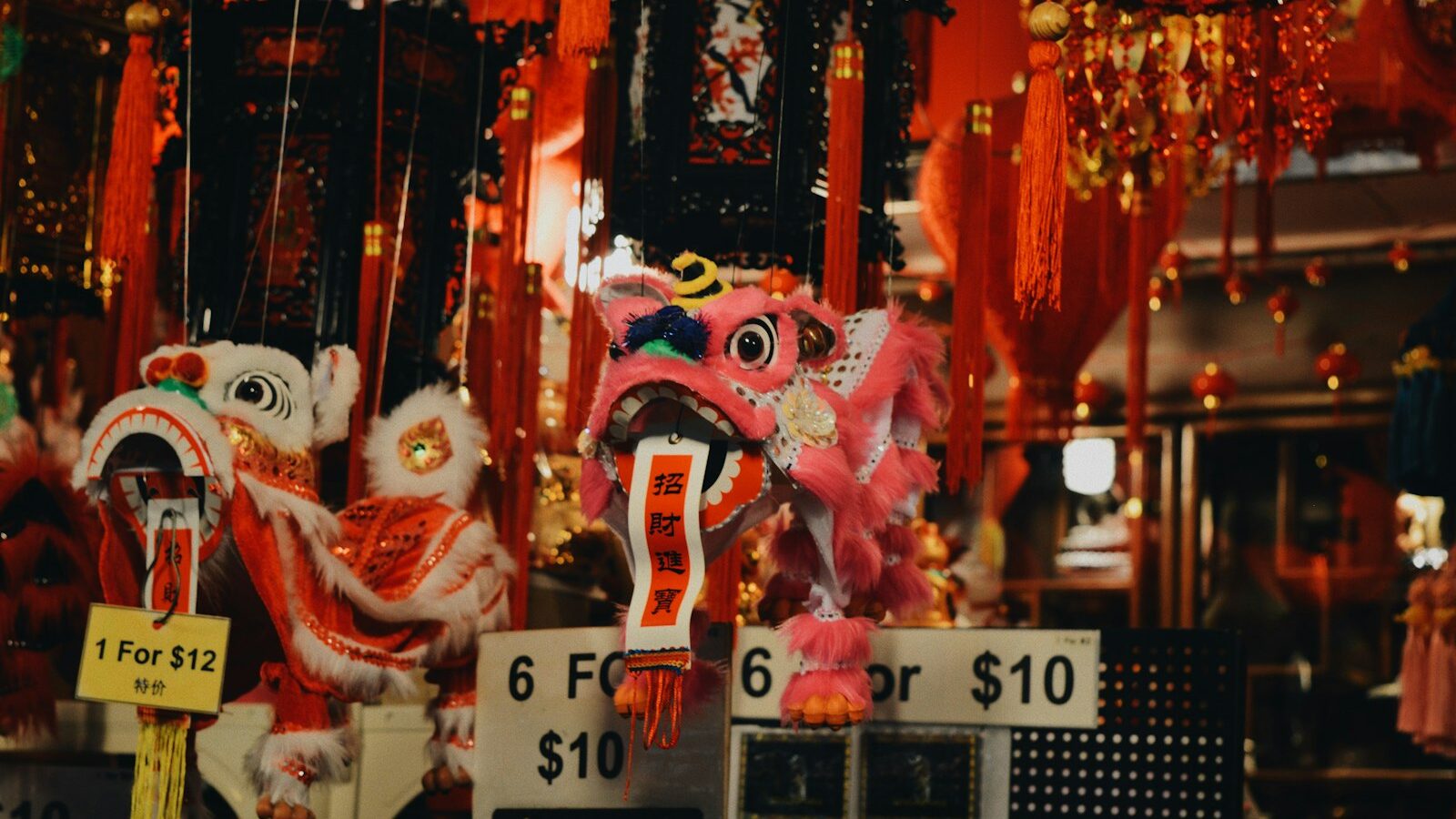
Your first festival season away from the mainland can feel strangely familiar and slightly off at the same time. The dates are the same, the greetings are the same, and yet the mood, the food, and even the days off work are not quite what you grew up with. Comparing Chinese festivals china vs singapore side by side helps you understand why, and it lets you join in with confidence rather than quietly wondering what you are missing. The traditions share deep roots in southern China, but a century in Southeast Asia, plus a multiracial calendar, has given them a distinctly local shape.
Lunar New Year, Local Style
Chinese New Year is the biggest festival on both calendars, but the experience differs in ways you notice immediately. In Singapore, only the first two days are gazetted public holidays, not the long week-plus break common on the mainland, so the celebration is intense but compact. There is no nationwide fireworks free-for-all, and firecrackers are tightly restricted for safety reasons, so the soundscape is calmer than you may expect.
The customs also carry a southern-Chinese and Nanyang flavour. Instead of northern dumplings at the centre of the table, you will find yusheng (鱼生), a raw-fish salad that everyone tosses together while calling out auspicious phrases, a tradition largely unique to Singapore and Malaysia. Mandarin oranges are exchanged when visiting, bak kwa (barbecued pork) queues stretch down the street, and pineapple tarts appear in every home. Hongbao (red packets) are given by married people to children and unmarried adults, and the amounts follow local, not mainland, conventions. Chinatown lights up, and the River Hongbao and Chingay parade give the season a public, multicultural face.
Remembering the Ancestors: Qingming and the Hungry Ghost Festival
Two festivals centred on ancestors and spirits are observed seriously here, though neither is a public holiday. Qingming (清明), the tomb-sweeping festival, sees families visit columbaria and cemeteries such as Choa Chu Kang to clean niches, offer food, and burn incense and joss paper. Because space is scarce, most remains are cremated and housed in columbaria rather than in large ancestral graves, so the ritual is compact and often booked around crowd-management measures.
The Hungry Ghost Festival (中元节) in the seventh lunar month is far more visible in Singapore than many newcomers expect. You will see offerings of food and burning joss paper along the roadside, metal bins provided by town councils for burning, and lively getai (歌台) stage performances in the heartlands, where the front row is left empty for the spirits. It is a good example of a tradition kept vividly alive by the Nanyang community. If you live in an HDB estate, follow the town council’s guidance on where burning is allowed, and treat the offerings you pass with respect rather than curiosity.
Dragon Boat and Mid-Autumn in a Tropical City
Two more festivals arrive with strong local character. The Dragon Boat Festival (端午节, Duanwu) brings rice dumplings (zongzi, known locally as bak chang) to shops and homes, and Singapore has a genuine competitive dragon-boat scene, with races held at venues like Bedok Reservoir and the Marina. The Nyonya version of the dumpling, wrapped with a Peranakan twist, is a local speciality worth trying.
The Mid-Autumn Festival (中秋节) is one of the most beautiful times of year here. Chinatown and the Chinese Garden fill with lanterns, children carry them through void decks, and mooncakes appear in a dazzling range, from traditional lotus-paste to snowskin and durian-flavoured creations that you will not find on the mainland. It is a warm, family-and-friends occasion rather than a long holiday, and it is one of the easiest festivals for a newcomer to enjoy publicly.
The table below summarises the main contrasts. Public-holiday status can change, so check the Ministry of Manpower’s gazetted public holidays each year rather than assuming.
| Festival | On the mainland | In Singapore |
|---|---|---|
| Lunar New Year | Long multi-day national holiday | Two gazetted public holidays, compact |
| Signature CNY custom | Dumplings, big fireworks | Yusheng tossing, bak kwa, no free fireworks |
| Qingming | Public holiday, large graves | Not a holiday, columbaria visits |
| Dragon Boat | Public holiday | Not a holiday, active race scene |
| Mid-Autumn | Public holiday | Not a holiday, lantern displays, durian mooncakes |
The headline lesson from the table is that the festivals live on strongly, but their legal status as days off and their culinary details differ. Plan your leave around Singapore’s calendar, not your memory of home.
Festivals Beyond the Chinese Calendar
Living in a multiracial society, you will also share in festivals that were never part of your calendar back home, and this is one of the quiet pleasures of settling here. Hari Raya Puasa, Deepavali, Vesak Day, Christmas, and Good Friday are all public holidays, and their sights, foods, and open houses are part of everyday Singapore.
- Hari Raya brings Geylang Serai’s bright bazaar and generous open houses.
- Deepavali lights up Little India with lamps, sweets, and street displays.
- Christmas turns Orchard Road into a spectacle of lights that runs for weeks.
Joining in, even just by visiting a bazaar or accepting an invitation, is one of the fastest ways to feel at home. Nobody expects you to know every custom; showing up with curiosity and good manners is enough.
Practical Tips for Your First Festival Year
A few habits help you settle into the local festival rhythm without stress.
- Check the gazetted public holidays early. The list is published in advance, and some fall on weekends, occasionally with a Monday in lieu. Plan leave and travel accordingly.
- Learn the local food names. Zongzi is bak chang, and yusheng is unique to the season here. Ordering by the local name makes life easier.
- Respect roadside offerings. During the seventh month especially, do not disturb food, candles, or joss paper you pass on the street.
- Follow town council and SCDF guidance on burning joss paper and lighting anything, since rules protect crowded high-rise living.
- Say yes to invitations across all communities. Open houses at Hari Raya, Deepavali, and Chinese New Year are a warm on-ramp to local life.
Festivals are where a new city stops feeling foreign and starts feeling like home. The bones of these celebrations will comfort you, and the local variations will slowly become your own. Approach the season with an open plate and an open mind, and your first festival year in Singapore can be one of the happiest parts of settling in.
Explore more
Festivals sit inside a wider heritage worth exploring. Understand the community behind them in understanding Nanyang Chinese identity in Singapore, stock up for celebrations with where to buy Chinese dried goods and tonics, and gather friends around the table with a Chinese hotpot at home in Singapore.