
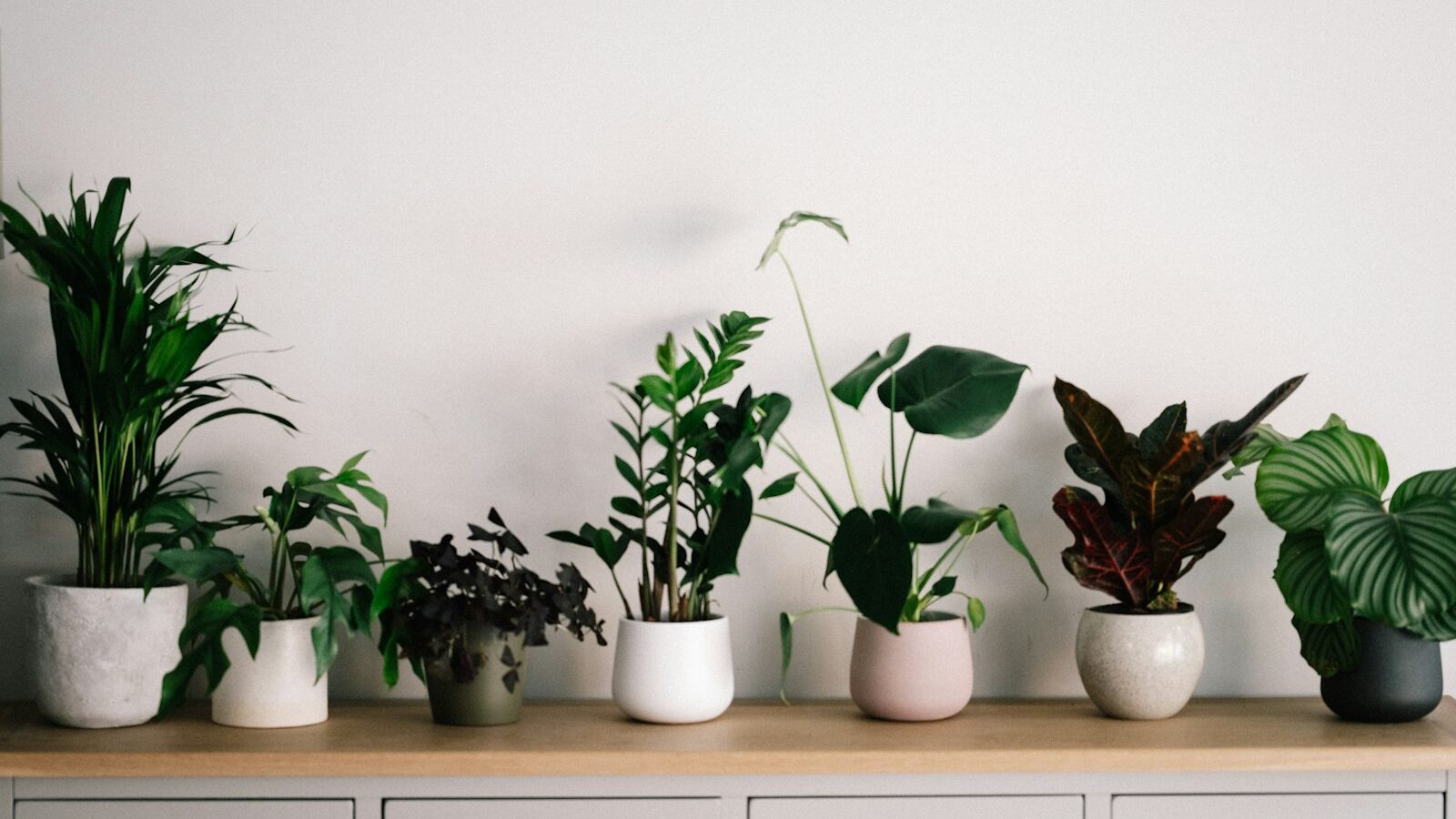
With its lacy, feathery leaves and upright, tree-like shape, the Ming aralia (Polyscias fruticosa) is a familiar sight at nurseries, office lobbies and homes across Singapore. It is often chosen as a feng shui plant, associated with growth and good fortune, and it makes an elegant gift during festive seasons and housewarmings. It also has a reputation for dropping leaves the moment it is moved.
The good news is that Ming aralia care is straightforward once you understand what the plant dislikes: sudden change, soggy roots and deep shade. This guide covers light, leaf drop and pruning, the three areas that cause most problems.

Getting the Light Right
Ming aralia is a tropical shrub, so Singapore’s warmth suits it well. Light is where most indoor plants go wrong.
Indoors: Aim for bright, indirect light. A spot near a window that gets plenty of daylight but little or no harsh afternoon sun works well. In HDB flats and condos, that often means near a living room window or balcony door, not in a dim corner or the middle of a large room.
Outdoors or on a balcony: It can handle more light outside, including gentle morning sun. Strong, direct midday and afternoon sun can scorch the fine leaves, especially if the plant was grown in shade before. Bright shade or filtered light is safer.
Signs the light is wrong:
– Too little: sparse, stretched growth, leaves dropping from lower branches, slow growth
– Too much: brown, crispy or bleached patches on the leaves
If you need to move it to a brighter spot, do it gradually over a week or two. A sudden jump in light, or a sudden drop, is one of the most common triggers for leaf loss.
Why Ming Aralia Drops Leaves (and What to Do)
Leaf drop is the number one complaint, and it usually has a clear cause. The plant reacts quickly to change, so think about what happened in the previous one to three weeks.
| Cause | What you will notice | What to do |
|---|---|---|
| Moving the plant | Sudden shedding soon after it comes home or changes spot | Pick a good position and leave it there; it usually settles in a few weeks |
| Overwatering | Yellowing leaves, soggy soil, sometimes a sour smell | Let the top layer of soil dry before watering; check drainage holes |
| Underwatering | Dry, crispy leaves and very dry, shrinking soil | Water thoroughly until it drains, then keep a steadier routine |
| Cold air or drafts | Drop on the side facing an air-conditioner vent or fan | Move it away from direct blasts of cold air |
| Low light | Gradual loss of lower and inner leaves | Move closer to a bright window, step by step |
| Pests | Fine webbing, sticky residue or tiny insects on stems | Isolate and treat, see the pest section below |
A few leaves dropping now and then is normal. Heavy, sudden shedding means something has changed. Resist the urge to keep moving the plant or watering more to “fix” it, which often makes things worse. Choose the most likely cause, correct it, and give the plant time.
Watering, Soil and Pots
Ming aralia likes evenly moist soil, but not wet soil.
- When to water: Push a finger into the soil. If the top couple of centimetres feel dry, water thoroughly until it runs out of the drainage holes. Empty any saucer afterwards so roots do not sit in water.
- How often: This depends on the pot size, the light and whether it sits near air-conditioning. Check rather than following a fixed schedule.
- Soil: A well-draining potting mix is important. Many growers add perlite or bark to standard potting mix for extra drainage.
- Pots: Always use a pot with drainage holes. Decorative pots without holes are fine as an outer cover, as long as the inner nursery pot can drain and is emptied.
- Humidity: Singapore’s natural humidity suits this plant. Rooms with air-conditioning running for long hours are drier, so keeping it away from vents helps.
Feeding: During active growth, a balanced fertiliser at the strength recommended on the label, applied occasionally, supports healthy leaves. Do not overfeed; more is not better, and too much fertiliser can burn the roots.
Pruning and Shaping
One of the pleasures of Ming aralia is how well it responds to pruning. It is a popular choice for bonsai and for shaping into a neat, layered tree.
Why prune:
– To keep the plant compact and bushy
– To remove leggy, bare or damaged stems
– To encourage a tree-like or layered form
How to prune:
1. Use clean, sharp scissors or secateurs. Wipe them with rubbing alcohol before and after.
2. Cut just above a leaf node, the point where a leaf joins the stem. New shoots usually grow from there.
3. Remove no more than about a quarter to a third of the foliage at once, so the plant is not stressed.
4. Take out dead, crossing or weak stems first, then shape.
5. Prune when the plant is healthy and actively growing, not while it is already dropping leaves.
Propagation: Healthy stem cuttings from your pruning can often be rooted in moist potting mix or water. Keep them in bright, indirect light and be patient, as rooting can take a while.
The sap can irritate sensitive skin, so consider gloves when pruning. Like many ornamental plants, Ming aralia is generally considered unsafe for pets to chew, so keep it out of reach of cats and dogs that like to nibble leaves.
Pests and Common Problems
Ming aralia is fairly tough, but indoor conditions can attract pests.
- Spider mites: Fine webbing and speckled, dull leaves, especially in dry, air-conditioned rooms. Rinse the plant with water and wipe leaves, and repeat regularly.
- Scale and mealybugs: Small bumps or white cottony spots on stems and leaf joints. Remove by hand with a cotton bud dipped in rubbing alcohol, then follow up.
- Root rot: Caused by soggy soil. If the plant collapses and roots are brown and mushy, trim the damaged roots and repot in fresh, well-draining mix.
Isolate an affected plant from your others while you treat it. If you use an insecticidal soap or horticultural oil, follow the label directions carefully.
Ming Aralia as a Feng Shui and Gift Plant
Ming aralia is often given and displayed for its association with prosperity and steady growth. Beliefs about placement vary between practitioners and families, so take any advice as tradition rather than fixed rules. Practically, the best position for the plant’s luck and your own is a bright spot it can stay in for a long time.
If you receive one as a gift, expect a little leaf drop as it adjusts to your home. Put it in good, indirect light, water only when the top of the soil is dry, and leave it alone for a few weeks.
Explore more: If you enjoy keeping indoor plants, see our guides to growing and caring for calatheas, caring for spider plants and caring for anthuriums.
Frequently Asked Questions
Is Ming aralia safe to keep with cats and dogs? It is generally considered unsafe for pets to chew, like many ornamental plants. Keep it out of reach of cats and dogs that like to nibble leaves. The sap can also irritate sensitive skin, so wear gloves when pruning.
Can I grow new Ming aralia plants from cuttings? Often yes. Healthy stem cuttings from your pruning can often be rooted in moist potting mix or water. Keep them in bright, indirect light and be patient, as rooting can take a while.
Can Ming aralia live in an air-conditioned room? It can, but keep it away from vents and direct blasts of cold air, which cause leaf drop on the side facing the airflow. Rooms with air-conditioning running for long hours are drier, which can also invite spider mites.
How often should I fertilise a Ming aralia? Only occasionally, during active growth, using a balanced fertiliser at the strength recommended on the label. Do not overfeed, since more is not better and too much fertiliser can burn the roots.
How much can I prune off a Ming aralia at once? Remove no more than about a quarter to a third of the foliage at once so the plant is not stressed. Cut just above a leaf node, where new shoots usually grow, and prune when the plant is healthy and actively growing, not while it is dropping leaves.
Further reading: Caring for a Stromanthe Triostar in Singapore