
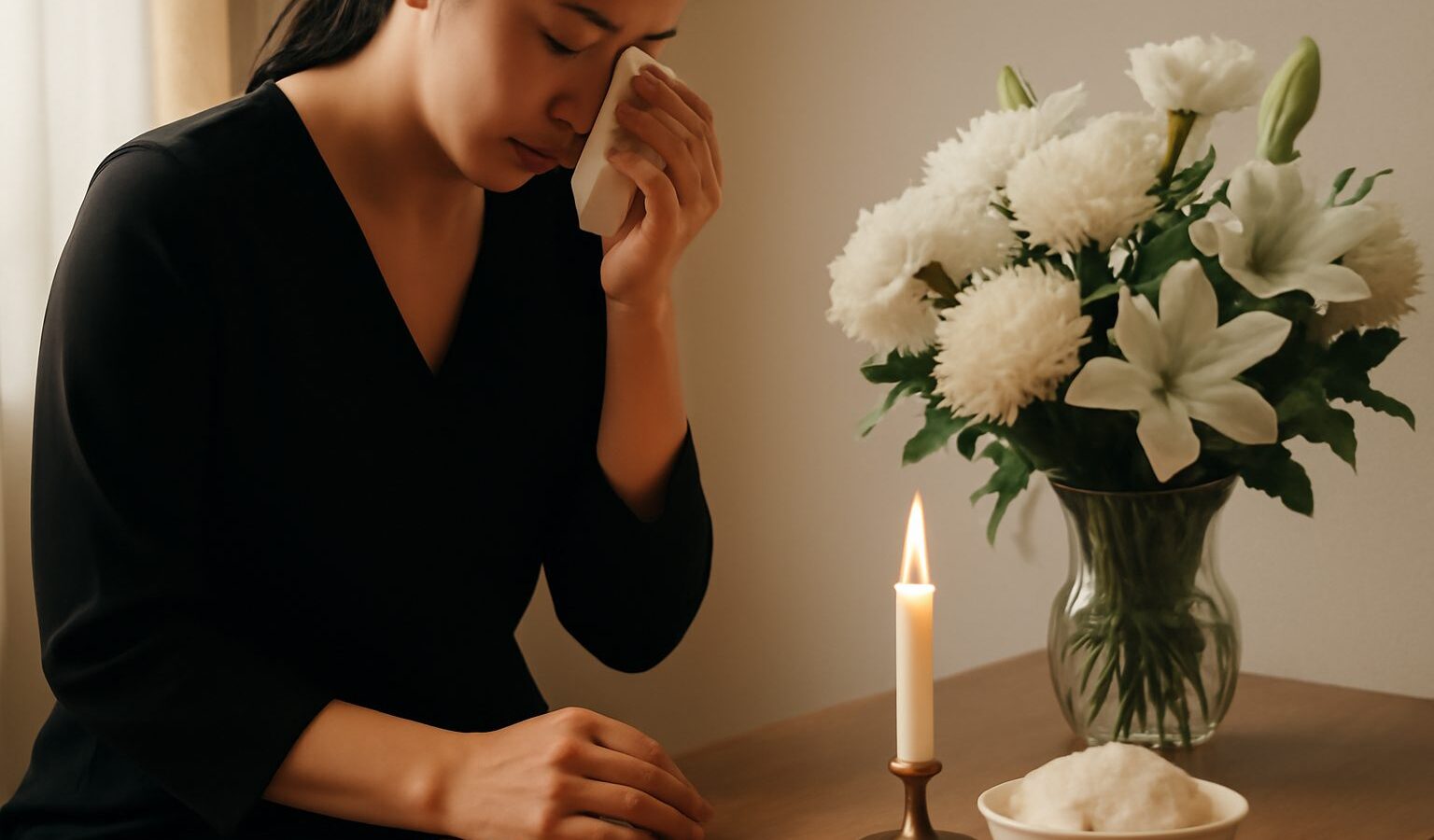
Mourning customs in Singapore reflect the depth and variety of our communities, each with its own way of honouring those who have passed and comforting those left behind. Understanding these traditions helps us offer condolences with sensitivity, whether we are attending a wake, sending a note, or simply supporting a grieving friend. This guide is offered gently, and above all it asks that we follow the wishes of each family.
Grief Is Shared, Yet Deeply Personal
Across every community, mourning is both a private sorrow and a shared responsibility. Neighbours, colleagues, and friends gather to sit with the bereaved, bring food, and share the weight of loss. What differs is the form these gestures take, shaped by faith, dialect group, and family tradition.
Because practices vary so much, the most respectful approach is always to ask quietly or observe before acting. No single description can capture every household, and many families blend customs or adapt them to their own beliefs.
The Language of Colour
Colour carries meaning in mourning, and it is one of the first things a visitor notices. Yet even here the rules are not fixed, and families increasingly choose what feels right to them.
In many Chinese traditions, white is the colour of mourning, worn by the immediate family, while bright red is avoided during the mourning period as it signifies joy. Sombre tones such as black, dark blue, and grey are widely considered appropriate for guests. In Christian and many Western-influenced services, black is the customary colour of respect. Among Indian communities, white is often worn at funerals, reflecting purity and the passing of the soul.
| Community | Colours often associated with mourning | Colours usually avoided |
|---|---|---|
| Chinese | White, black, dark blue | Bright red, festive shades |
| Malay Muslim | Simple, modest dress | Loud or flashy attire |
| Indian | White | Bright celebratory colours |
| Christian | Black, dark tones | Overly bright dress |
As a general courtesy, guests of any background can dress simply in dark or muted clothing. When unsure, plain and modest attire is always safe.
Chinese Wakes and Observances
A Chinese wake is often held over several evenings, giving family and friends time to pay respects. It may take place at a void deck, a funeral parlour, or a family home, with an area set aside for the coffin and offerings. Visitors typically bow before the deceased and offer condolences to the family.
Practices differ between dialect groups and between Buddhist, Taoist, and other beliefs, so prayers, chanting, and rituals vary widely. White or dark clothing is appropriate, and it is thoughtful to avoid bright colours. A donation, often placed in a white envelope, is a common way to help with expenses, and the family may return a small token of thanks.
Malay Muslim Customs
In Malay Muslim tradition, the emphasis is on burial without delay, usually as soon as arrangements allow, in keeping with religious teaching. The community gathers to support the family, offer prayers, and share in the responsibilities of the funeral.
Modesty guides both dress and conduct. Visitors dress simply and behave with quiet dignity. Prayers are recited for the departed, and the family may hold gatherings on certain days afterwards to remember their loved one. Bringing food or offering practical help is a valued gesture of support.
Indian Traditions
Indian mourning customs depend greatly on religion, whether Hindu, and on regional and family practice. Among Hindu families, white is commonly worn, and rites are performed according to tradition and the guidance of elders. Ceremonies may extend over a number of days, marked by prayers and remembrance.
Guests should dress modestly and follow the family’s lead on where to sit, when to enter, and how to offer respects. As with every community, the details differ from home to home, so gentle observation is wise.
Christian and Church Services
For Christian families, mourning often centres on a wake and a funeral or memorial service led by a member of the clergy. Hymns, readings, and prayers offer comfort and celebrate the life of the departed. Black or dark clothing is the usual mark of respect, and flowers or sympathy cards are common gestures.
Some families hold a viewing before the service, while others prefer a simple gathering. As always, the family’s preferences take precedence.
Offering Condolences With Care
- Follow the family’s wishes on dress, timing, and rituals above any general rule.
- Dress simply in dark or muted tones when you are unsure.
- Keep your presence quiet, offering a few sincere words rather than long conversation.
- Ask before photographing anything, and generally avoid it at a wake.
- Offer practical help, such as food or errands, which is welcome across communities.
The Days and Weeks That Follow
Mourning does not end when a funeral concludes. Across communities, the period afterwards carries its own gentle observances, and knowing this helps friends offer support at the right moments rather than only on the first day.
Some Chinese families observe a mourning period during which bright clothing and celebrations are set aside, and they may mark certain days with prayers or remembrance. Malay Muslim families often gather on particular days after a burial to recite prayers for the departed. Hindu families may hold ceremonies over a series of days, and Christian families frequently hold a memorial service or gather again after the funeral to remember their loved one. In every case the exact form depends on faith and family.
For those wishing to help, the weeks after a loss are often when support matters most, once the initial gathering has passed and the quiet sets in. A simple message, a shared meal, or a willingness to listen can mean a great deal. Here too, following the family’s lead and respecting their pace is the kindest course.
A Note on Sensitivity
Mourning is a tender time, and customs described here are broad outlines rather than strict instructions. Families may combine traditions, simplify them, or hold to them closely, and every choice deserves respect. If you are ever uncertain, a soft question to a family member or a trusted friend is far better than an assumption.
Grieving Together in a Shared City
Mourning customs in Singapore remind us that while we grieve in different ways, we grieve as neighbours. The colours we wear and the rituals we keep may differ, yet the impulse to gather, comfort, and honour is shared by all. To attend a wake with humility, to dress with care, and to follow the family’s wishes is to offer the truest form of respect we can give.
Explore more: Funeral Customs in Singapore · Peranakan Culture in Singapore · Kampong Days in Singapore