
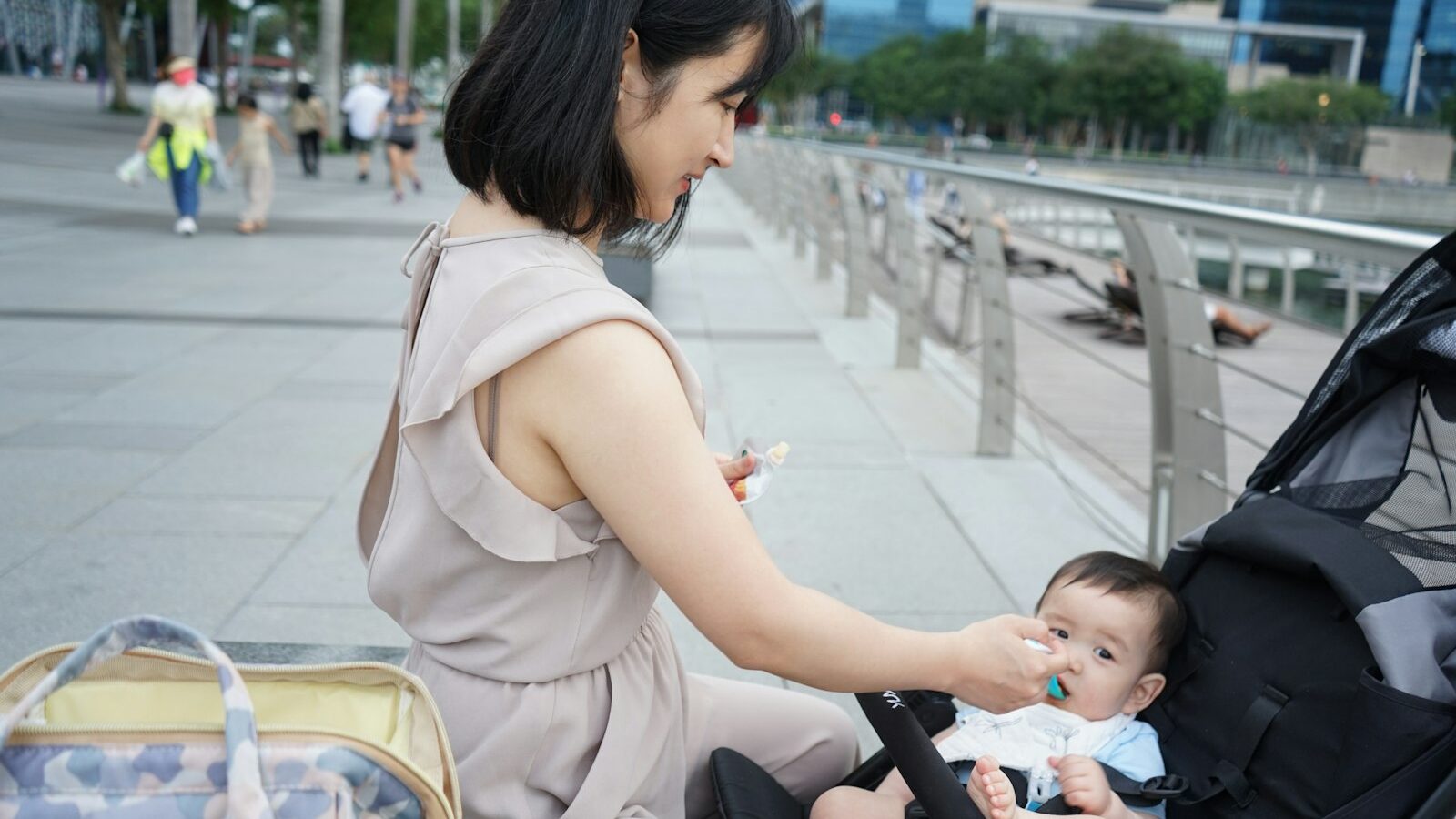
Moving to Singapore with a baby means relocating with the tiniest, most precious member of the family in tow, and it is natural to feel both excited and a little anxious. The reassuring truth is that Singapore is wonderfully set up for families with young children. It is clean, safe and green, healthcare is well regarded, and you will find parks, indoor play spaces and family friendly cafes almost everywhere. With a bit of preparation, you and your little one will settle into island life beautifully.
This guide offers warm, general information for parents making the move. It is not legal, immigration, medical or financial advice, and the rules can change. For anything to do with your child’s pass or eligibility, always defer to the Ministry of Manpower (MOM) and the Immigration and Checkpoints Authority (ICA), and speak to a qualified professional about your family’s circumstances.

Passes and paperwork for your child
Before you fly, sort out your child’s immigration status alongside your own. Usually one parent relocates on a work pass, and children may be able to join on a Dependant’s Pass if the family meets the eligibility conditions set by the authorities. Whether a Dependant’s Pass is available, and what documents you need, depends on the main pass holder’s situation, so this is very much a check first task.
Gather your child’s key documents early: the birth certificate, passport, immunisation records and any medical notes. Official documents in another language may need certified translations, so allow time for that. Because eligibility and processes are updated from time to time, confirm the current requirements for a Dependant’s Pass for your child directly with MOM and ICA rather than relying on older articles or word of mouth. If your situation is unusual, a licensed relocation or immigration professional can help you get it right.
Childcare and settling little ones
Childcare is often the first practical puzzle for parents, and Singapore offers a wide range of options. There are infant care and childcare centres, preschools and kindergartens, plus many families employ a helper or engage a nanny for care at home. What suits you depends on your child’s age, your working hours and your budget.
Good centres can have waiting lists, so start researching before you arrive and visit or video call once you land. When you tour a centre, look at the ratio of carers to children, the cleanliness, the daily routine, the outdoor or play space, and how warm the staff feel with the little ones. Ask about settling in periods, meals, nap arrangements and how they communicate with parents during the day. Trust your instincts as much as the brochure.
For toddlers, a familiar rhythm smooths the transition. Try to keep nap times, mealtimes and bedtime broadly consistent through the move, and bring a few beloved toys, books and comfort items so their world still feels safe. Little ones pick up on your mood, so the calmer you can stay, the calmer they tend to be.
| Care option | Good to know for newcomers |
|---|---|
| Infant and childcare centres | Structured care with set routines; may have waiting lists |
| Preschool or kindergarten | For older toddlers moving toward early learning |
| Helper at home | Live in support for care and household tasks |
| Nanny or nanny share | Home based care, sometimes shared between families |
| Playgroups and classes | Great for socialising your child and meeting parents |
Healthcare for your little one
Singapore’s healthcare is well regarded, with paediatric care available through both public and private clinics and hospitals. Many families choose a regular family clinic or a paediatrician for check ups, vaccinations and the inevitable coughs and fevers of early childhood. It helps to register with a clinic near home soon after arriving so you have somewhere familiar to turn when your child is unwell.
Sort out health insurance for your child early. Check whether your employer scheme covers dependants, and consider additional cover if it does not stretch far enough, since private care can be costly. Bring your child’s vaccination records so any clinic can see what has been done and advise on what is due next according to local recommendations. Keep a small home kit with a thermometer, any usual medicines and your clinic’s contact details, and note the local emergency number.
Day to day, Singapore makes life with little ones easier than you might imagine. Pharmacies are well stocked with baby essentials, supermarkets carry familiar brands of formula, nappies and baby food, and many malls have nursing rooms and pram friendly access. Public transport and taxis are generally easy to use with a young child, though do check the local guidance on child seats for cars.
Building your parent village
It is worth packing a small day one bag that keeps your little one comfortable while the boxes are still unpacked. A few days of nappies, familiar snacks, a favourite blanket and any regular medicine mean you are not hunting through crates when your toddler needs you. Once you have found your feet, exploring the island with a young child is a joy, from the many parks and gardens to the indoor play spaces that offer a cool break on a hot afternoon.
Finally, remember that you do not have to do this alone. New parent friendships form quickly here because so many families are in the same boat. Join a parent and baby group, chat to other mums and dads at the playground, or connect through your childcare centre. A local village of fellow parents is worth its weight in gold for swapping tips, arranging playdates and simply reminding you that the wobbly early weeks pass.
Moving to Singapore with a baby or toddler takes patience, but it is absolutely doable and often delightful. Sort the paperwork through the official channels, choose childcare and a clinic you trust, keep your little one’s routine steady, and lean on your new community. Before long, your family will feel right at home.
Explore more
Relocating With Family
Healthcare for Newcomers
Moving to Singapore Checklist
First Month in Singapore
Frequently Asked Questions
Is the heat a problem for a baby in Singapore? Babies can overheat more easily than adults, so dress them in light, breathable clothing, keep outings to shaded or air-conditioned places and avoid midday sun. Offer fluids as your paediatrician advises, and ask about signs of heat illness to watch for.
Is tap water safe for making up my baby’s formula? Tap water here is widely regarded as safe to drink, but many parents still boil and cool it for very young infants. Follow the instructions on your formula tin and your paediatrician’s advice, particularly for newborns.
Can I fly to Singapore with a young baby? Airlines set their own rules on how young a baby may fly and what documents they need, so check with your airline early. Speak to your paediatrician about timing, feeding during flights and ear comfort. Keep your baby’s documents in your hand luggage.
Is a domestic helper worth considering with a baby? Many families find it useful, especially when both parents work, but it is a big household decision about cost, space and trust. Employment rules for helpers are set by MOM. Compare it with infant care centres and nannies, and think about what you actually need.
How do I help my baby adjust to sleep and routine after the move? Keep feeding, nap and bedtime rhythms as steady as you can, and get daylight and fresh air in the morning to help reset the body clock. Bring familiar comforters. Expect a few unsettled nights, and speak to your paediatrician if problems continue.
Further reading: How to Register a Baby Born Overseas Before Moving to Singapore