
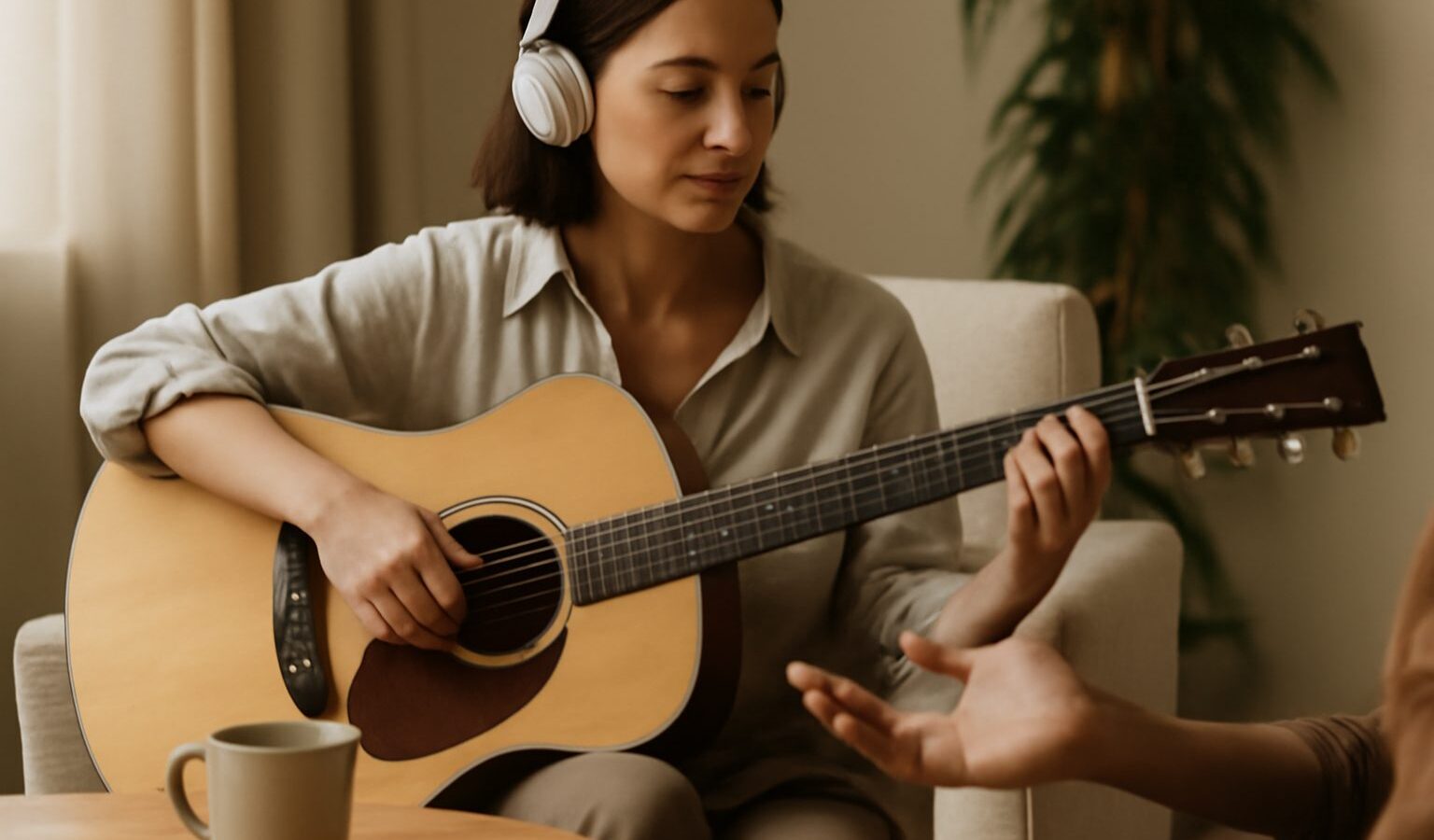
Most of us know that music can lift a mood, calm the nerves, or bring back a memory in an instant. Music therapy takes that everyday power and puts it to work in a structured, professional way. If you have come across the term music therapy Singapore services or wondered what it actually involves, this guide offers a clear, general explanation of what it is, who provides it, and what it is not.
Before we go further, an important note: this article is general information only. Music therapy is a recognised clinical practice delivered by trained, accredited professionals. It is not a do-it-yourself cure, and it is not a substitute for medical care or mental-health treatment. If you or someone you care about is dealing with a health condition, always speak to a qualified doctor or healthcare professional.
What Music Therapy Actually Is
Music therapy is the planned, evidence-informed use of music to support a person’s health and wellbeing. Rather than being about learning to perform or enjoying a concert, it is a therapeutic process with specific goals, tailored to the individual by a qualified practitioner. Those goals might relate to communication, movement, emotional expression, memory, or social connection, depending entirely on the person’s needs.
Sessions can look very different from one another. They may involve listening to music, singing, playing simple instruments, moving to a beat, songwriting, or improvising sounds together. Crucially, no musical skill or talent is required from the person receiving therapy. The point is not to make good music; it is to use musical activity as a bridge to reach a therapeutic aim.
It helps to understand what music therapy is not. It is not the same as putting on a relaxing playlist, though listening to music you love is genuinely good for you. That everyday benefit is real and worth exploring in its own right, and you can read more about it in music and wellbeing. Music therapy is different: it is a professional, individualised intervention with defined objectives, delivered and monitored by a trained therapist.
Who Delivers It and Who It May Help
Music therapy is carried out by qualified, accredited music therapists. These are professionals who have completed formal training that combines music, psychology, and clinical practice, and who work within professional standards. This training is what separates music therapy from simply using music at home. A friend playing calming songs for you is kind and helpful, but it is not music therapy, and it is important not to blur the two.
Music therapists often work as part of a wider care team, alongside doctors, nurses, psychologists, occupational therapists, and others. You might find them in settings such as:
- Hospitals and rehabilitation centres
- Special education schools and early-intervention programmes
- Facilities supporting older adults, including those living with dementia
- Mental-health and community-care services
- Hospices and palliative-care settings
The people who may benefit are just as varied, from children with developmental needs to adults recovering from illness or injury, and from those living with dementia to people navigating emotional or psychological challenges. Whether music therapy is appropriate for any individual is a decision for qualified professionals, made in the context of that person’s overall care. It is never something to self-prescribe as a treatment.
How a Music Therapist Works
A trained music therapist usually begins with an assessment, getting to know the person, their history, their needs, and what they respond to. From there, the therapist sets goals and designs sessions to work towards them, adjusting the approach over time as they observe progress. Everything is intentional; even a seemingly simple activity like tapping a drum together may be building rhythm, focus, coordination, or connection.
The music itself is a tool rather than a performance. A therapist might use a familiar song to spark memory and conversation with an older adult, or gentle improvisation to help a withdrawn child express something they cannot put into words. Because the process is personal and clinical, it looks nothing like a music lesson, even if instruments are involved.
This is also why music therapy cannot be recreated at home from an article or video. Without training, assessment, and professional judgement, you simply cannot deliver therapy safely or effectively. What you can do at home is enjoy music for its everyday comfort, which is a fine thing in itself.
Enjoying Music for Everyday Wellbeing
While music therapy is a specialist service, everyone can enjoy the general, feel-good benefits of music in daily life. Singing along to favourite songs, playing an instrument for fun, or simply listening mindfully can ease stress and lift the spirits. If that appeals, taking up a hobby instrument is a lovely place to start, and how to choose your first instrument can point you in the right direction. Even casual playing, such as learning to sing at home for pleasure, can be a genuine source of calm and joy.
Do enjoy these things freely, but keep the distinction clear in your mind. Everyday music for wellbeing is something you can do yourself. Music therapy is a professional treatment delivered by an accredited therapist, and it is not a replacement for medical or mental-health care.
The Takeaway
Music therapy is a thoughtful, professional practice that harnesses music to support health and wellbeing, delivered by trained and accredited music therapists as part of proper care. It is not a home remedy, not a quick fix, and not a substitute for seeing a doctor. If you think someone might benefit, the right step is to speak with a qualified healthcare professional who can advise on suitable options. In the meantime, keep enjoying music for the simple, everyday good it brings; that pleasure is yours to have whenever you like.