
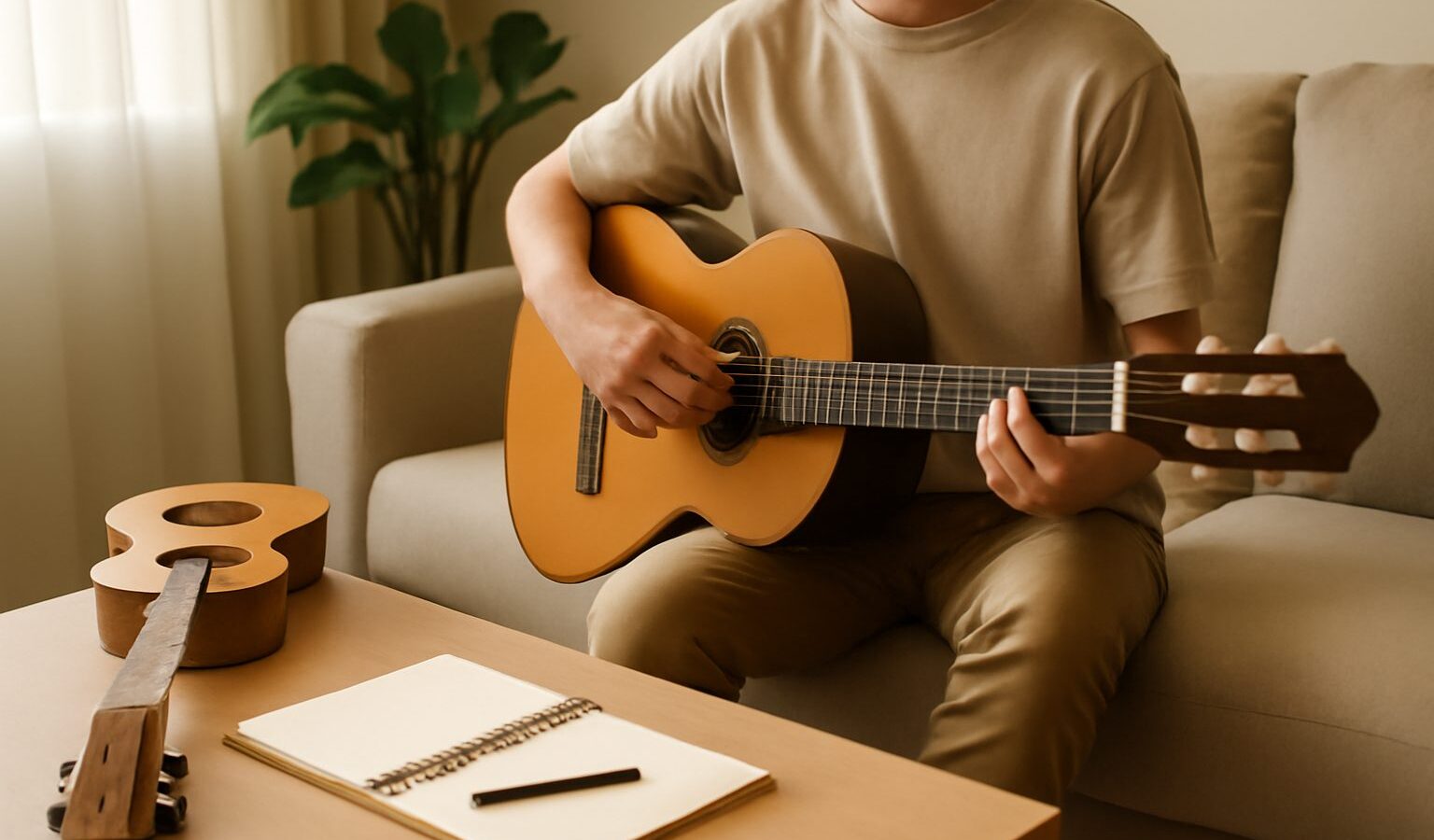
Deciding to make music is the easy part. Choosing your first instrument is where many hopeful beginners freeze. There are so many options, so much conflicting advice, and a nagging worry about spending money on the wrong thing. The good news is that there is no single perfect choice, only a good fit for your ears, your home and your goals. This guide walks a complete beginner in Singapore through a calm, practical way to decide.
Think of this as narrowing down rather than finding one magic answer. Several instruments would probably suit you well. The aim is to rule out the poor fits, land on something you are genuinely excited about, and get playing sooner rather than agonising for months. An instrument you actually pick up beats the theoretically ideal one gathering dust.
Start With the Sound You Love
The most reliable guide is the music you already enjoy. Motivation carries beginners through the awkward first weeks far more than any clever reasoning, and nothing fuels motivation like loving the sound you are making. If you find yourself drawn to acoustic singer-songwriter tracks, a guitar or ukulele makes obvious sense. If you love film scores and melodies, a piano or keyboard may call to you. Rhythmic, energetic music might point you towards drums.
Spend a little time listening on purpose. Notice which instrument your ear follows in your favourite songs. That pull is valuable information, so trust it more than a list of what is “easiest”. A slightly harder instrument you love will beat an easy one that bores you within a fortnight.
Ask yourself a few honest questions:
- What do I picture myself playing? A specific song or scene is a strong sign.
- Do I want to sing along? Guitar, ukulele and piano all pair naturally with singing.
- Solo or with others? Some instruments shine alone, while others come alive in a group or band.
- Melody or rhythm? Do you want to carry a tune, or drive the groove underneath one?
Match the Instrument to Your Home
Where you live matters more than beginners expect, and in Singapore that usually means an HDB flat with neighbours close by. A loud acoustic instrument practised at the wrong hour is a fast route to friction next door. The kindest and most sustainable choice is often one you can play quietly, especially in the evenings when you are most likely to have free time.
This is where digital options are a gift. A digital piano or keyboard takes headphones, so you can practise silently at any hour. Electronic drum kits do the same, which makes drumming realistic in a flat when an acoustic kit would not be. Ukuleles and unplugged electric guitars are naturally quiet. A full acoustic drum kit or a loud brass instrument, by contrast, is genuinely hard to practise considerately at home.
Space and climate count too. A keyboard on a stand tucks into a corner, while a drum kit needs a dedicated spot. Singapore’s humidity is tough on wooden instruments, so if you choose a guitar or violin, plan to store it away from direct sun and use a dehumidifier or silica gel to protect it. Always respect quiet hours and be mindful of the people around you, whatever you pick.
Weigh Up Cost, Effort and Portability
Every instrument asks something different of your wallet, your fingers and your schedule. None of these should scare you off, but knowing them upfront prevents nasty surprises. The table below compares popular beginner choices on the things that trip people up most. Treat it as a rough guide to start conversations, not a strict ruling.
| Instrument | Rough cost to start | Early difficulty | Flat-friendly? |
|---|---|---|---|
| Ukulele | Low | Gentle, kind on the fingers | Yes, naturally quiet |
| Keyboard or digital piano | Low to medium | Gentle, clear layout | Yes, with headphones |
| Guitar | Low to medium | Moderate, sore fingers at first | Yes, especially unplugged |
| Electronic drums | Medium | Moderate coordination | Yes, with headphones |
| Violin | Low to medium | Steeper, tricky tuning and tone | Fairly, but can be squeaky early |
Costs shift constantly, so check current prices at a local music shop rather than trusting old figures. You do not need the most expensive option. A reliable entry-level instrument is more than enough to learn on for a year or more, and you can always upgrade once you know the hobby has stuck. Portability matters if you plan to carry it to lessons or a friend’s place; a ukulele slips into a bag, while a keyboard needs more thought.
Be Honest About Your Goals and Time
A beginner who wants to strum a few songs at a gathering needs something very different from one dreaming of playing classical concertos. Neither goal is better, but they point to different instruments and different amounts of practice. Being clear with yourself here saves both money and frustration.
Consider how much time you can realistically give. Short, regular practice of fifteen to twenty minutes on most days suits a busy working life and takes beginners a long way. Some instruments reward that little-and-often rhythm quickly, while others, like the violin, ask for more patience before they sound pleasant. If your time is tight and you want early wins, a gentler instrument keeps your motivation alive.
A few pointers to match instrument to intention:
- Quick, fun results: A ukulele or keyboard rewards you within weeks.
- Versatile all-rounder: A guitar or piano opens the widest range of music long term.
- Playing with others: Think about what your friends play or what a band needs.
- A deeper, longer journey: The violin or piano offers years of rich challenge if you love the sound enough to persevere.
Try Before You Commit
Wherever possible, get your hands on an instrument before buying. Visit a local music shop and hold a few, feeling their weight and how comfortable they are. Borrow from a friend for a weekend, or book a single trial lesson to test whether you enjoy the actual playing, not just the idea of it. A short trial can settle months of indecision in an afternoon.
If you genuinely cannot choose between two you love, pick either and start. The experience of playing will teach you far more than more research ever will, and switching later is completely normal. Plenty of musicians began on one instrument and drifted happily to another. What matters is beginning. Choose your first instrument, give it an honest few months of steady practice, and let the joy of making sound guide whatever comes next.