
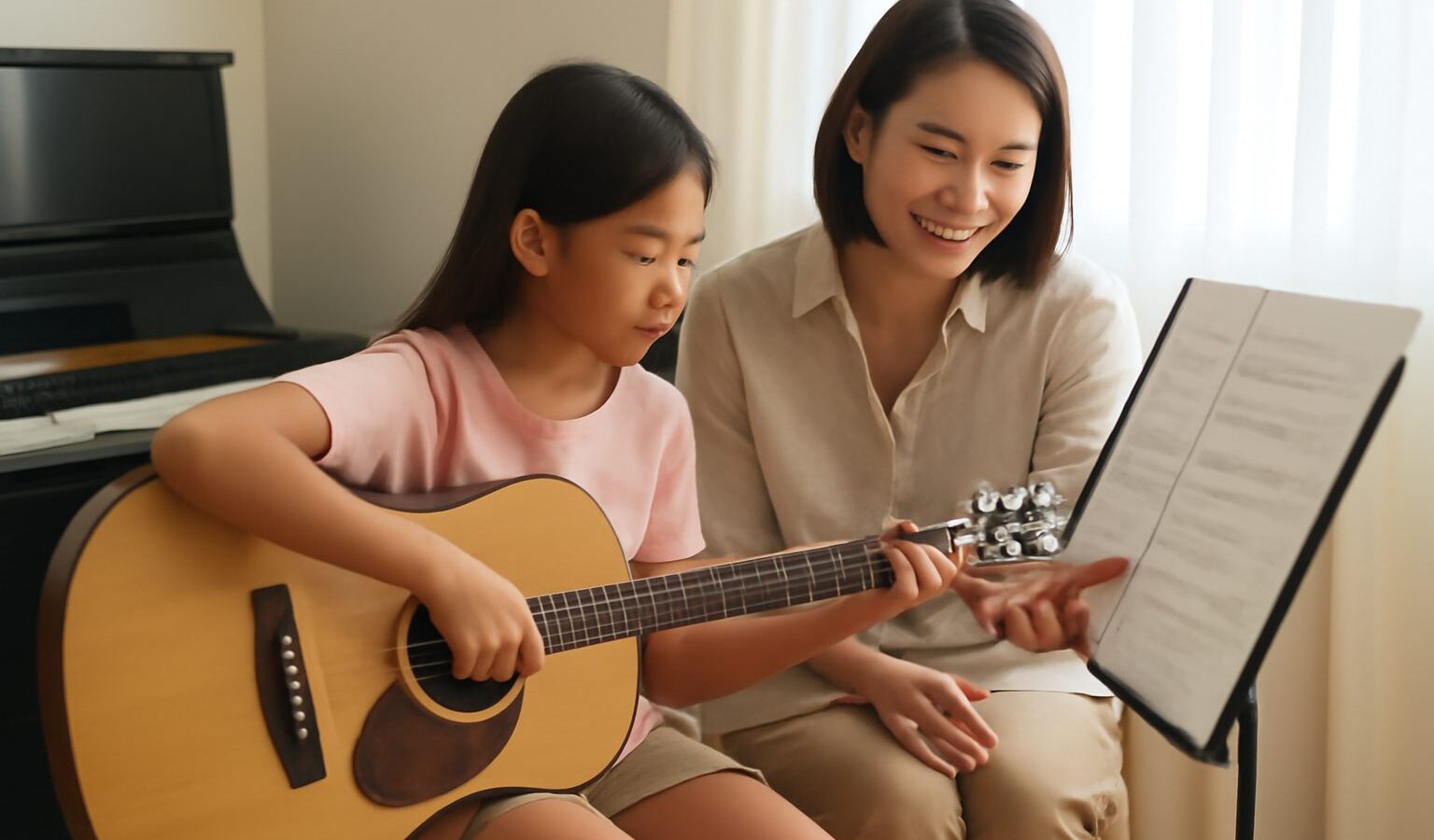
Sharing what you know is one of the most rewarding things a musician can do, and it can also become a flexible source of income. If you are considering teaching music Singapore-based, whether as a full-time pursuit or a weekend side income, the good news is that you do not need to be a virtuoso to be a genuinely helpful teacher. What matters far more is patience, clear explanation, and the ability to meet each student where they are.
This guide covers the practical side of getting started: planning lessons, working with beginners, setting fair rates, and looking after yourself and your students. Teaching is a skill you develop over time, so treat your early lessons as learning opportunities for you too.
Decide What and Who You Want to Teach
Start by being honest about your strengths. You do not have to teach everything. Many good teachers specialise, perhaps in beginners, in a particular instrument, in adult learners, or in exam preparation. Focusing lets you build real depth and a reputation.
Think about your ideal student:
- Young children, teenagers, or adults, each of whom learns differently
- Complete beginners versus intermediate players who want to progress
- Casual hobbyists versus students working towards graded exams
- Individual lessons, small groups, or occasional workshops
Adult learners, for example, often bring motivation and clear goals but may feel self-conscious, so a warm, encouraging manner helps. If you are teaching grown-ups, it is worth understanding the mindset covered in learning an instrument as an adult. If you are teaching children, patience and playfulness matter more than pace, and ideas from introducing your kids to music can shape how you keep young students engaged.
Plan Lessons That Actually Work
A good lesson has a shape. Rather than turning up and playing whatever comes to mind, plan a simple structure you can adapt: a warm-up, a review of last week’s work, one or two new ideas, and a clear takeaway to practise. Keep goals small and achievable so students leave feeling capable rather than overwhelmed.
Teach fundamentals properly from the start, because bad habits are hard to unpick later. Good posture, relaxed technique, steady timing, and a basic grasp of theory all pay off. Encourage students to work with a metronome early as a home tool. Equally, help them understand how to practise music effectively, since most progress happens between lessons, not during them.
Vary how you teach. Some students respond to written notation, others to playing by ear, others to visual demonstration. Watch how each person reacts and adjust. The best teachers are constantly reading the room and changing tack when something is not landing. Give honest, kind feedback, and celebrate small wins, because encouragement keeps people coming back.
Sort Out the Practical Side
Once you are ready to take students, deal with the everyday logistics. Decide where you will teach: at your home, at students’ homes, or online. Online lessons have become common and can widen your reach, though they need a stable connection and a decent microphone setup.
On pricing, do a little honest research into what other teachers in your area and at your level of experience charge, and set a rate you feel is fair. Do not undersell yourself, but be realistic when you are just starting out. Be clear and upfront about payment, scheduling, and your policy for cancellations, and put it in writing so there are no awkward misunderstandings later.
Finding your first students often starts with word of mouth: friends, family, your church or community group, and local noticeboards. A simple online presence helps too. Teaching sits alongside other ways of earning from your skills, and you may find the broader perspective in making money from music as a side hustle useful as you think about building a small practice. Understanding how learners typically search for a teacher also tells you where to be visible.
Teach Safely and Responsibly
Part of being a good teacher is protecting your students’ wellbeing. Encourage warming up before playing or singing, and never push a student through pain. If someone reports persistent vocal trouble, wrist pain, or other physical problems, advise them gently to rest and to see a doctor, ENT, or physiotherapist rather than trying to fix it in a lesson. You are a music teacher, not a medical professional, and it is important to stay in your lane.
Hearing safety matters too, especially with amplified instruments, drums, or headphone-based lessons. Keep volumes sensible, take breaks, and use earplugs where rooms are loud, because loud or prolonged exposure can cause lasting hearing damage. Teaching young children this early builds a lifelong good habit.
If you teach at home or use recorded backing tracks and other people’s songs in lessons, respect copyright and use properly licensed or freely available material where relevant. This is general guidance rather than legal advice, so check current terms if you are unsure.
Grow Into the Role
Nobody starts as a polished teacher. Your explanations will sharpen, your patience will deepen, and you will build a toolkit of exercises and analogies that work. Keep learning yourself, stay curious, and ask students for feedback now and then.
Teaching well is genuinely satisfying. Watching a nervous beginner play their first full song, or a student finally understand a concept, is a quiet joy that keeps many musicians teaching for years. Start small, be kind, prepare properly, and let your practice grow naturally.