
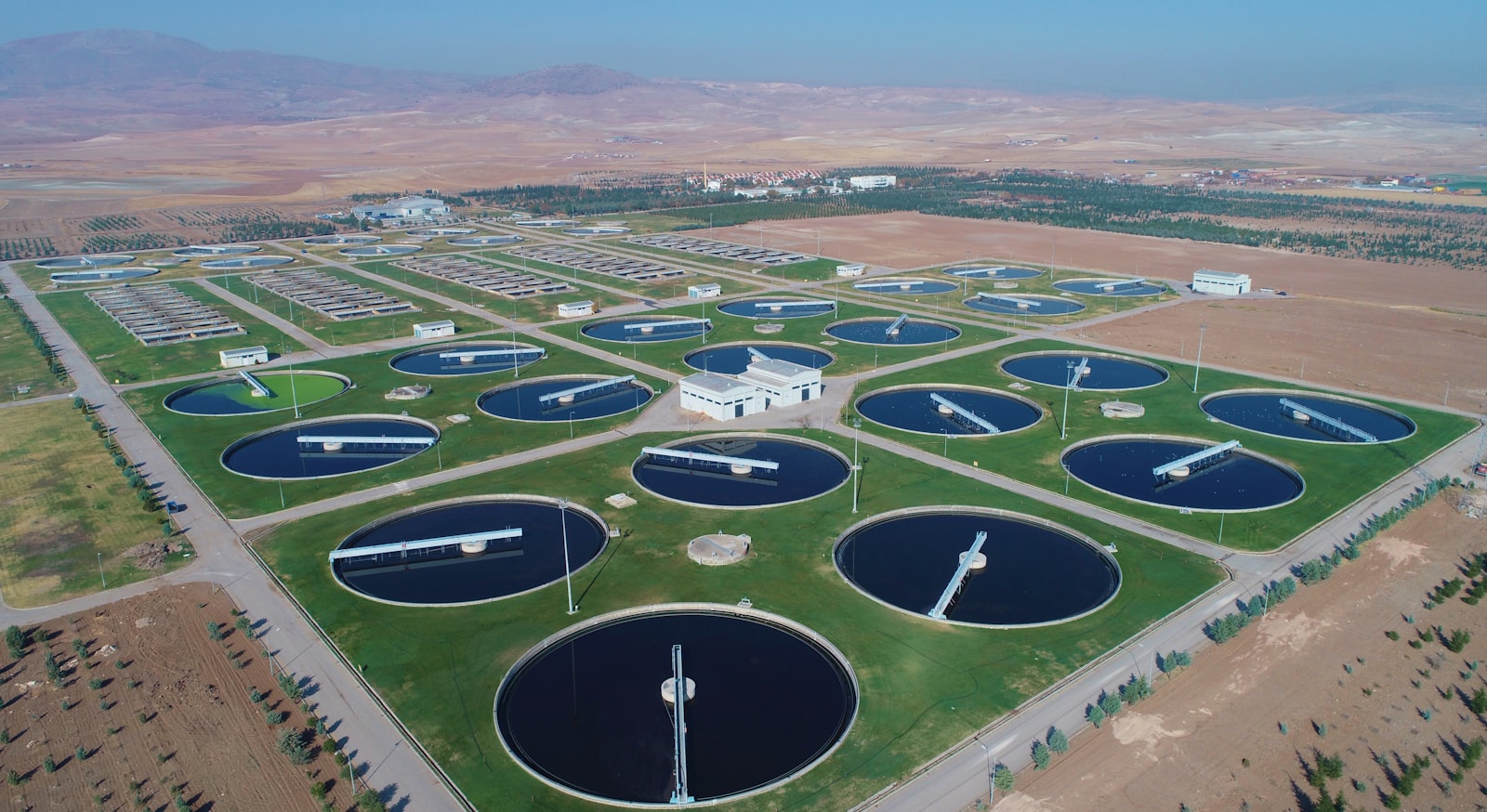
NEWater and desalination in Singapore are two of the country’s Four National Taps, the framework PUB uses to describe how the island secures its water. NEWater is high-grade reclaimed water made from treated used water, while desalination turns seawater into fresh water. Together they let Singapore produce drinking-quality water from sources that do not depend on rainfall. This guide explains how each works, why they matter, and how they fit into the wider water strategy. For current capacities, plant numbers, and shares of demand, PUB is the authoritative source.
The Four National Taps in Brief
Singapore describes its water supply through four sources, known as the Four National Taps: water from local catchments, imported water, NEWater, and desalinated water. The first two depend on rainfall or agreements, so they can be affected by weather and by supply arrangements. The last two, NEWater and desalinated water, are produced using technology and are far less dependent on the weather, which is why they are central to long-term water security.
The strategy is often summarised as diversification. By drawing on several different sources, Singapore reduces its reliance on any single one. NEWater and desalination are the two “weather-resilient” taps, because they can keep producing water regardless of how much rain falls, as long as there is used water and seawater to draw on.
How NEWater Works
NEWater is reclaimed water: used water that has been treated and then purified to a very high standard so that it is clean enough for many uses, including drinking. The starting point is treated used water from Singapore’s water reclamation plants, which is then put through additional advanced purification.
The purification is usually described in three main stages:
- Microfiltration or ultrafiltration, where the water passes through membranes with tiny pores that screen out suspended solids, bacteria, and other particles.
- Reverse osmosis, where the water is forced through an even finer membrane that removes dissolved salts, viruses, and unwanted contaminants, leaving very pure water.
- Ultraviolet disinfection, where ultraviolet light provides a further safety step to inactivate any remaining organisms.
Much of the NEWater produced is used by industries and commercial buildings that need high-purity water, such as certain manufacturing processes. A portion can also be added to reservoirs, where it mixes with other water and is treated again through the normal waterworks before reaching taps. This indirect route is one way NEWater supports the drinking supply. NEWater depends on the reliable collection of used water, which is why it is closely linked to the deep tunnel network that gathers used water across the island.
How Desalination Works
Desalination is the process of removing salt and minerals from seawater to make fresh water. Because Singapore is surrounded by the sea, seawater is an effectively unlimited raw source, which makes desalination a valuable, weather-independent tap.
The most common method used for seawater desalination is reverse osmosis. Seawater is pretreated to remove particles, then pushed under high pressure through membranes that let water molecules pass while holding back the salts. The result is fresh water that is then remineralised and treated to drinking standards before it enters the supply. Reverse osmosis is energy-intensive because of the high pressures involved, and reducing that energy use is an area of ongoing research and improvement. Some newer approaches explore treating both seawater and freshwater sources flexibly at the same plant, but the details and technologies evolve, so current specifics should be checked with PUB.
| Feature | NEWater | Desalinated water |
|---|---|---|
| Raw source | Treated used water | Seawater |
| Core technology | Membranes plus reverse osmosis plus UV | Pretreatment plus reverse osmosis |
| Main uses | Industry, plus indirect drinking use via reservoirs | Added to the drinking supply |
| Weather dependence | Low, depends on used water | Low, depends on seawater |
Why These Two Taps Matter
For a small island with limited land to collect and store rainwater, and with a growing population and economy, relying only on rainfall or imports would be a risk. NEWater and desalination address this by producing water through processes that do not depend on the weather. In periods of low rainfall, these taps can help keep the supply stable when catchment water is under pressure.
They also fit a wider principle of using water more than once. By reclaiming used water into NEWater, Singapore recovers a resource that would otherwise be discharged, which is often described as closing the water loop. Desalination adds a further independent source drawn from the sea. Both come at a cost, particularly in energy, and both require significant infrastructure, which is part of why water conservation is still encouraged even with these taps in place.
The two taps also complement each other in practice. NEWater is especially suited to industrial users that need very pure water, which frees up other sources for everyday household use, while desalinated water adds directly to the drinking supply. Because both rely on reverse osmosis, improvements in membrane technology and in energy efficiency benefit both at once. This shared technology is one reason research into lower-energy treatment is a recurring theme in Singapore’s water planning, though the specific methods and results are best followed through PUB.
Reading the Numbers Carefully
Figures often quoted about NEWater and desalination, such as the number of plants, their capacities, or the share of national demand each tap can meet, change over time as new facilities are built and plans are updated. Rather than fixing on any single number, it is best to treat these as moving figures and to check PUB’s own publications for the current position. What stays stable is the underlying design: diversify sources, make the two technology-based taps as reliable as possible, and keep recycling and conserving water.
Seen this way, NEWater and desalination are less about any one plant and more about a strategy. They turn used water and seawater, sources that never run dry, into a dependable part of the supply, reducing the island’s exposure to drought and to the limits of its own catchments.
Explore More
To understand how used water is collected before it becomes NEWater, read the guide to the Deep Tunnel Sewerage System, the network that carries used water to reclamation plants. It also helps to see how Singapore expands its usable land through land reclamation in Singapore, part of the same long-term effort to overcome the constraints of a small island.