
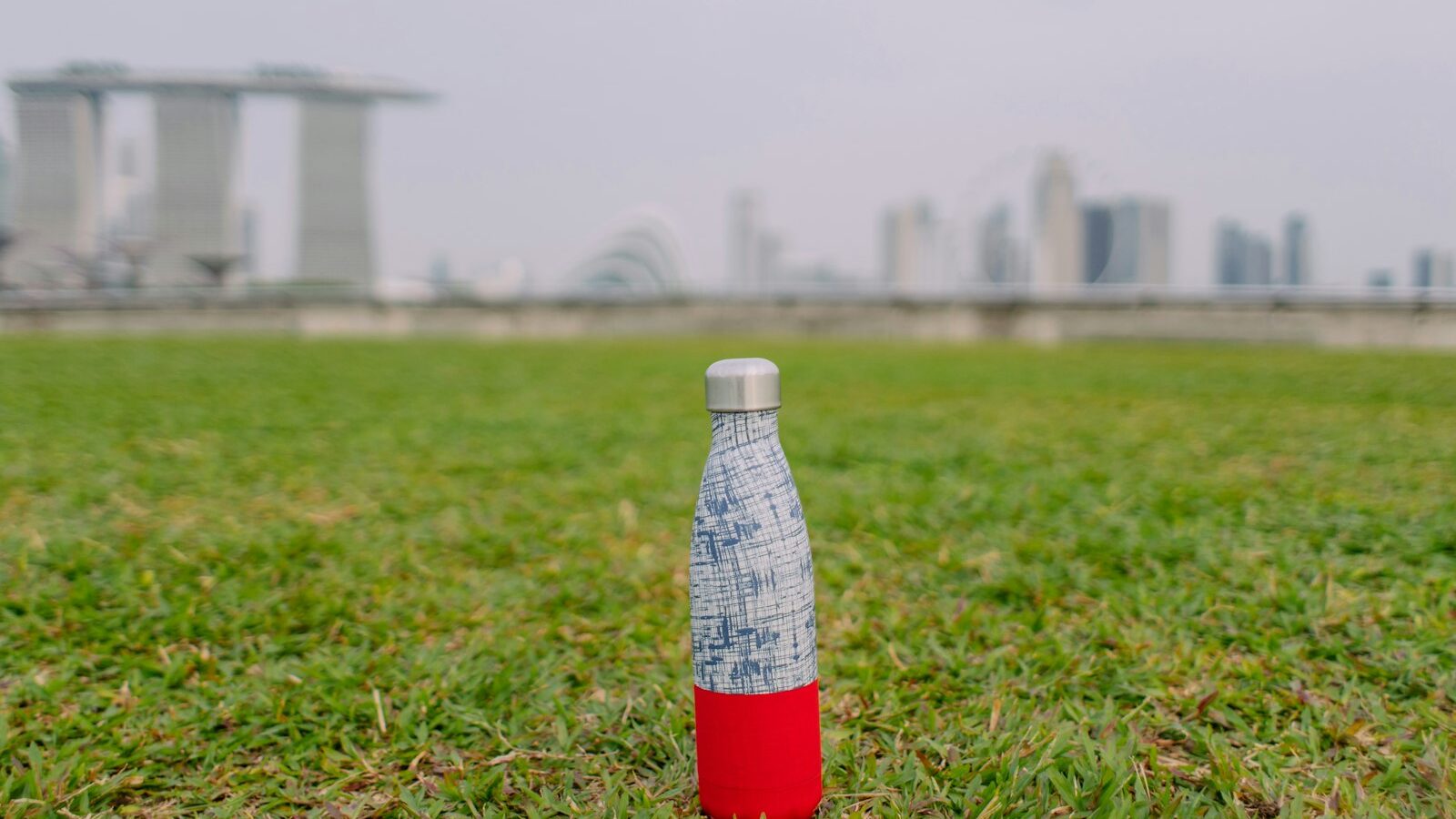
Plastic-Free July is a global movement that invites you to notice, and then reduce, the single-use plastic that flows through your day. It runs each July, but the idea is not to be perfect for thirty-one days and then forget about it. It is to try a few swaps, see which ones actually fit your life in Singapore, and keep the handful that stick. Living in a hot, humid, delivery-loving city, we generate a lot of packaging, and a month-long nudge is a low-pressure way to spot where the easy wins are.
This is a challenge, not an exam. You will still end up using some plastic, and that is fine. The goal is progress and awareness, not guilt. Below is a gentle, week-by-week way to take part, grounded in HDB living, hawker culture and the reality of a busy work week.
What Plastic-Free July Actually Asks Of You
At its heart, Plastic-Free July asks one question: can you refuse or replace some single-use plastic this month? Single-use plastic is anything designed to be used once and thrown away, such as a drink cup, a cutlery set, a bag or a sauce sachet. You choose your own level. Some people target the “big four” that appear most often in daily life: bags, bottles, cups and straws. Others go further and rethink groceries, toiletries and cleaning.
A useful mindset is the order of priority: refuse first, then reduce, then reuse, and only then recycle. Recycling matters, but it is the last resort, not the hero. If you want to understand why refusing beats recycling, it helps to know what happens to your recycling in Singapore once it leaves your blue bin, and how easily a batch gets spoiled by contamination.
Set a realistic aim before 1 July. Beginners might pick two swaps and hold them for the month. That is a genuine win, not a small one.
A Week-By-Week Plan You Can Actually Follow
Breaking the month into themes keeps it manageable and stops you from trying to change everything on day one.
Week one: carry a kit. Assemble a small “refuse kit” and keep it by your keys or in your work bag. A reusable bag, a water bottle and a foldable set of cutlery cover most situations. In our climate an insulated bottle also spares you from buying cold drinks in plastic. Refilling is easy here, since tap water is safe to drink straight from the tap.
Week two: tackle food and drink. This is where most of our plastic hides. Bring your own bottle to the kopitiam, say no to the plastic bag for a single item, and keep a container for tapau when you can. When you do order in, you can cut a surprising amount of waste by reducing waste from food delivery, for example by ticking “no cutlery” and skipping extra sauce sachets.
Week three: look at the bathroom. Shampoo, conditioner, shower gel and cleansers come in a parade of plastic bottles. You do not have to change everything, but you might try one solid swap. Our guide to switching to shampoo and soap bars walks through what works in a humid bathroom and what to watch for.
Week four: shop and share. Choose loose produce over pre-packed where you can, favour the wet market, and refill instead of rebuy. This is also a lovely week to bring others in, whether that is family, flatmates or colleagues.
Easy Swaps Versus Ones That Take Effort
Not every swap is equal. Some are almost free and instantly habitual; others need planning or a small upfront cost. Being honest about this helps you spend your energy where it counts.
| Single-use item | Reusable swap | How easy is it? |
|---|---|---|
| Plastic carrier bag | Foldable bag in your daily bag | Very easy, near zero cost |
| Bottled water or soft drink | Refillable bottle, tap water | Easy, saves money over time |
| Takeaway cup for kopi | Bring your own cup or tumbler | Moderate, needs remembering |
| Disposable cutlery with delivery | Tick “no cutlery”, use your own | Very easy once you set it |
| Cling film for leftovers | Reusable lids or containers | Easy, small upfront cost |
| Sauce and condiment sachets | Buy one bottle, decant if needed | Easy, cheaper per use |
Start with the “very easy” rows. Momentum from a few effortless wins makes the harder habits, like remembering your own cup, feel worth the effort.
Doing It The Singapore Way
Some parts of Plastic-Free July are easier here, and some are harder. The disposable-bag charge at supermarkets has already nudged many of us to carry our own bags, and it is worth knowing how the disposable-bag charge works so you can plan around it. On the harder side, our heat pushes us toward cold bottled drinks, and the sheer convenience of delivery means packaging piles up fast.
A few local pointers:
- Hawker centres and coffee shops. Bring a container for tapau and a bottle for your drink. Many uncles and aunties are happy to fill your own cup. It can feel awkward the first time; it stops feeling awkward by the third.
- Wet markets and supermarkets. Wet markets often let you use your own bag or container with less fuss than you expect. For groceries, choosing loose and imperfect produce skips a layer of plastic and cuts food waste at the same time.
- HDB living. Storage is tight, so you do not need a cupboard full of gadgets. A bag, a bottle, a cup and one or two containers do most of the work.
- Recycle what is left correctly. For the plastic you cannot avoid, rinse and sort it properly, and follow the current NEA blue-bin guidance, since putting in the wrong things can spoil a whole bin.
Making The Habits Last Past July
The real test is 1 August. A challenge only counts if some of it survives the month. The trick is to keep the two or three swaps that felt natural and quietly drop the ones that did not. If bringing your own cup never became a habit, that is information, not failure; maybe your win is the bag and the bottle instead.
A few ideas to help it stick:
- Anchor swaps to routines. Keep the foldable bag with your keys, the bottle by the door, the cutlery in your work bag. A habit tied to a place you already go is far more durable.
- Track lightly. Jot down one plastic item you refused each day, or just notice your bin getting lighter. Small evidence of progress is motivating.
- Do it with others. A buy-nothing group or a library of things stretches the same spirit into sharing rather than buying, a friendly way to reuse what neighbours already have.
- Forgive the slip-ups. You will forget your bottle, accept a straw, or grab a bagged snack. Shrug and carry on. Consistency over a year beats perfection for a week.
Plastic-Free July is really a starter kit for a lower-waste life. You do not need to overhaul everything, buy expensive products or lecture anyone. Pick a couple of swaps, keep the ones that fit, and let the habit grow at its own pace. By this time next year, the things that felt fiddly in week one will simply be how you do things, and that quiet, unremarkable normal is exactly the point.