
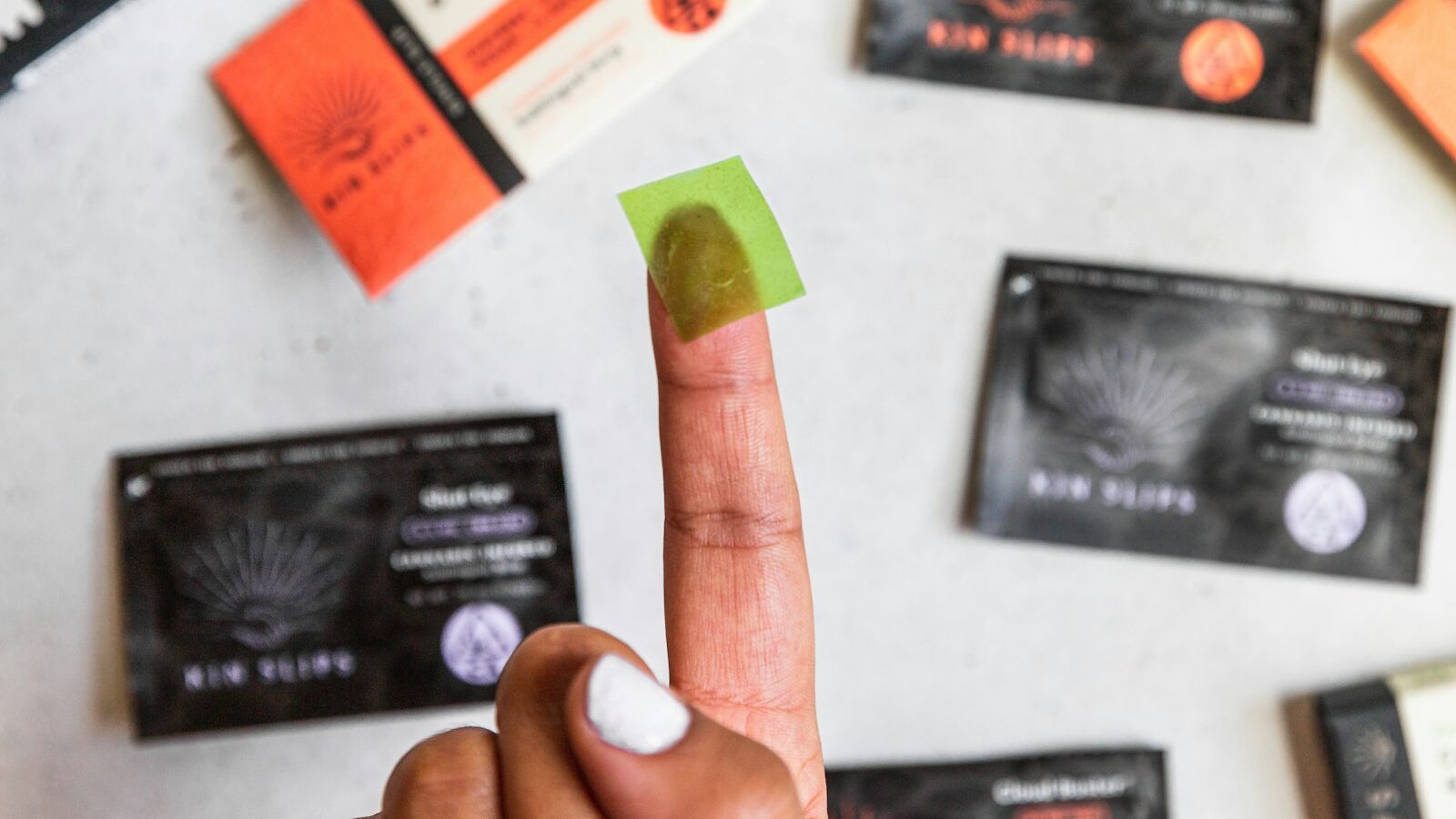
Few skincare products deliver the small, satisfying win that a good spot sticker does. Pimple patches in Singapore are a fixture in bathroom drawers and handbags, loved for the way they cover a blemish, discourage picking, and sometimes visibly draw out gunk overnight. But not every patch works the same way, and not every spot is a good candidate. This guide explains what hydrocolloid actually does, the difference between the various patch types, and how to use them well in our humid climate. As always, this is general cosmetic information rather than medical advice, and stubborn or severe acne deserves a proper consultation.
What Hydrocolloid Actually Does
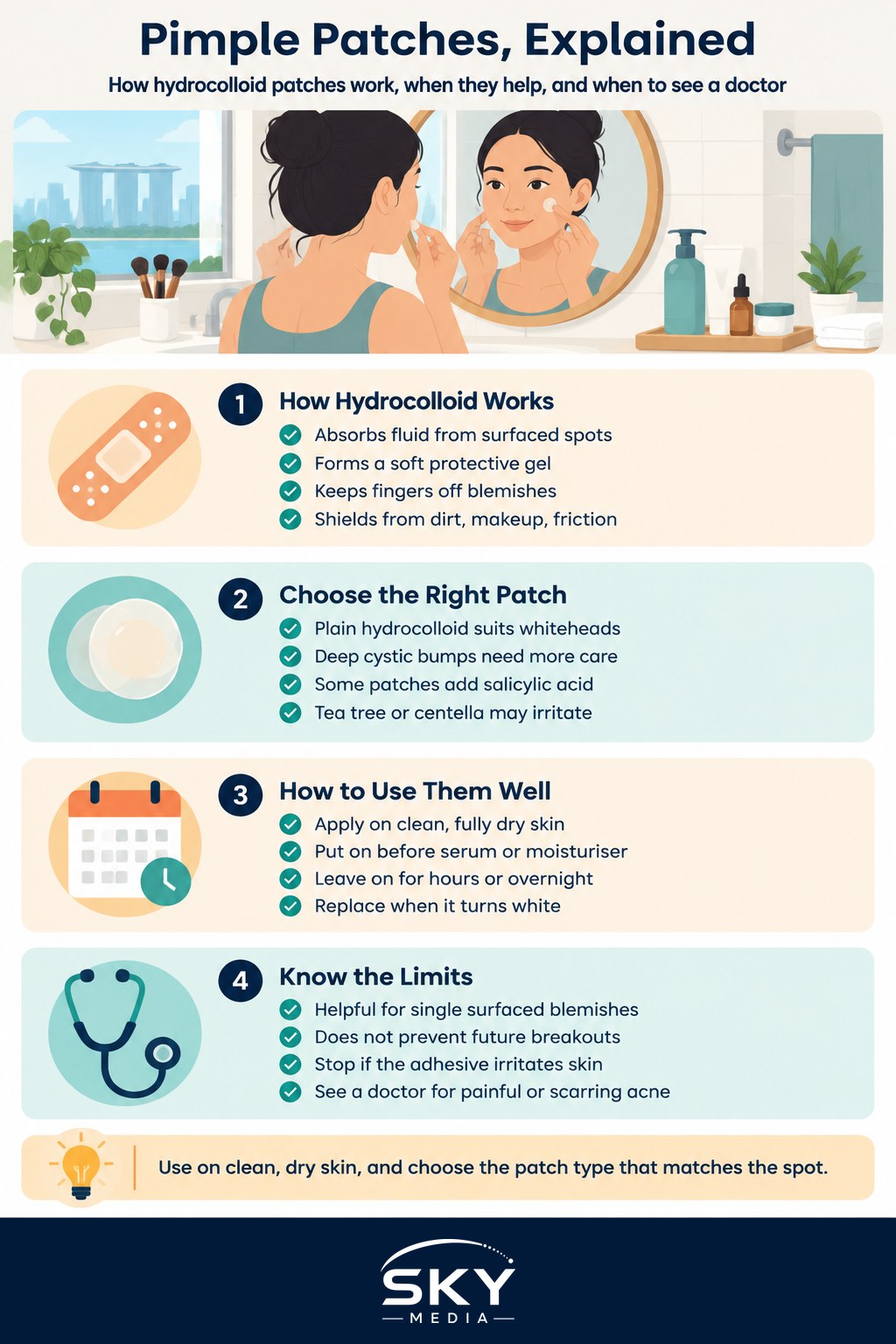
The classic pimple patch is made of hydrocolloid, a gel-forming material borrowed from medical wound dressings. When it sits over a spot that has come to a head or is weeping, it absorbs fluid and forms a soft gel, creating a moist, protected environment. Two things happen as a result. First, the patch soaks up excess fluid, which is the white or cloudy stuff you see collected in the patch by morning. Second, it forms a physical barrier that keeps your fingers off the blemish and shields it from external dirt, makeup, and friction.
That barrier benefit is underrated. Picking and squeezing is one of the main reasons a small spot turns into a lingering mark, so simply covering it can genuinely help the skin heal with less trauma. Hydrocolloid patches also protect the area, which can reduce the chance of dark marks that a picked spot tends to leave behind, an outcome many people in Singapore are keen to avoid given how post-blemish pigmentation can linger.
Importantly, plain hydrocolloid does not contain active ingredients. It works by absorption and protection alone, which is exactly why it suits a specific kind of spot.
Which Spots Suit Which Patch
Matching the patch to the blemish is the whole trick.
- Whiteheads and spots that have come to a surface head: ideal for plain hydrocolloid. There is fluid to absorb, so the patch has something to do.
- Deep, painful, under-the-skin cystic bumps: hydrocolloid has little to draw out here, so a plain patch does less. These are also the spots most worth seeing a doctor about.
- Early or blind pimples: some patches embed actives such as salicylic acid, tea tree, or centella, marketed as microdart or medicated patches to target spots before they surface. Evidence for these varies, and the actives can irritate sensitive skin.
If you are trying to understand the bigger picture of managing breakouts, our guide to acne treatment puts patches in context as a spot tool rather than a whole-face solution. For blemishes on the body, our guide to how to treat body and back acne covers areas where friction from clothing matters.
How to Use Pimple Patches Well
Getting the most out of a patch is straightforward:
- Start with clean, dry skin. Cleanse and pat completely dry, because hydrocolloid sticks poorly to damp or oily skin.
- Apply the patch before any serum or moisturiser on that spot, so it adheres directly to bare skin. Applying it over a layer of product weakens the seal.
- Leave it on for several hours or overnight. Once it turns white and opaque, it has absorbed what it can and it is time to swap it.
- Remove gently. Peel slowly to avoid tugging the skin. If it resists, dampening the edge helps.
In Singapore’s heat and humidity, sweat and sunscreen can loosen a patch during the day, so overnight wear is often the most reliable window. Thin, translucent patches work discreetly under makeup for daytime, but reapply if the seal lifts.
Realistic Expectations and When to See a Doctor
Pimple patches are a helpful spot treatment, not a cure for acne. They shine on the occasional surfaced blemish and as a barrier against picking, but they will not prevent breakouts, address the underlying causes, or clear widespread acne. Relying on them alone for persistent breakouts usually leads to frustration.
A few cautions. Patch test medicated patches before regular use, since salicylic acid or tea tree can sting sensitive skin, and our guide to how to patch test new skincare explains a simple method. Some people react to the adhesive itself, so if you notice a red, itchy square where the patch sat, stop using them. Never place a patch over broken, bleeding, infected, or freshly extracted skin without care, and do not leave one on so long it macerates the surrounding area.
See a doctor or dermatologist if you have frequent or painful cystic acne, breakouts that are scarring or leaving marks, spots that keep returning in the same place, or any blemish that looks unusual or is not healing. Persistent acne is a medical matter with effective treatments, and a professional can help far more than a drawer full of stickers. Used sensibly for the right spot, though, a humble pimple patch is one of the easiest wins in your routine.
Frequently Asked Questions
Do pimple patches work on cystic acne? Not much. Deep, painful, under-the-skin bumps have little fluid for hydrocolloid to draw out, so a plain patch does less. These are also the spots most worth showing a doctor or dermatologist, especially if they are frequent, painful or leave marks.
How do I know when to change my pimple patch? Change it once it turns white and opaque, which shows it has absorbed what it can. Several hours or overnight is typical. Peel slowly, dampening the edge if it sticks, and replace it if sweat or sunscreen has lifted the seal.
Why won’t my pimple patch stick in humid weather? Hydrocolloid sticks poorly to damp or oily skin, and sweat and sunscreen can loosen it during the day. Cleanse and pat the area completely dry, and apply the patch to bare skin before any serum or moisturiser. Overnight wear is usually the most reliable.
Are medicated or microdart pimple patches better than plain ones? They suit different jobs. Some patches contain actives such as salicylic acid, tea tree or centella to target early pimples, but evidence varies and they can sting sensitive skin. Plain hydrocolloid suits spots that have surfaced. Patch test medicated versions first.
Can pimple patches cause a reaction on my skin? Yes, some people react to the adhesive. A red, itchy square where the patch sat is a sign to stop using them. Avoid placing one over broken, bleeding, infected or freshly extracted skin, and do not leave one on so long that the surrounding skin turns soggy.