
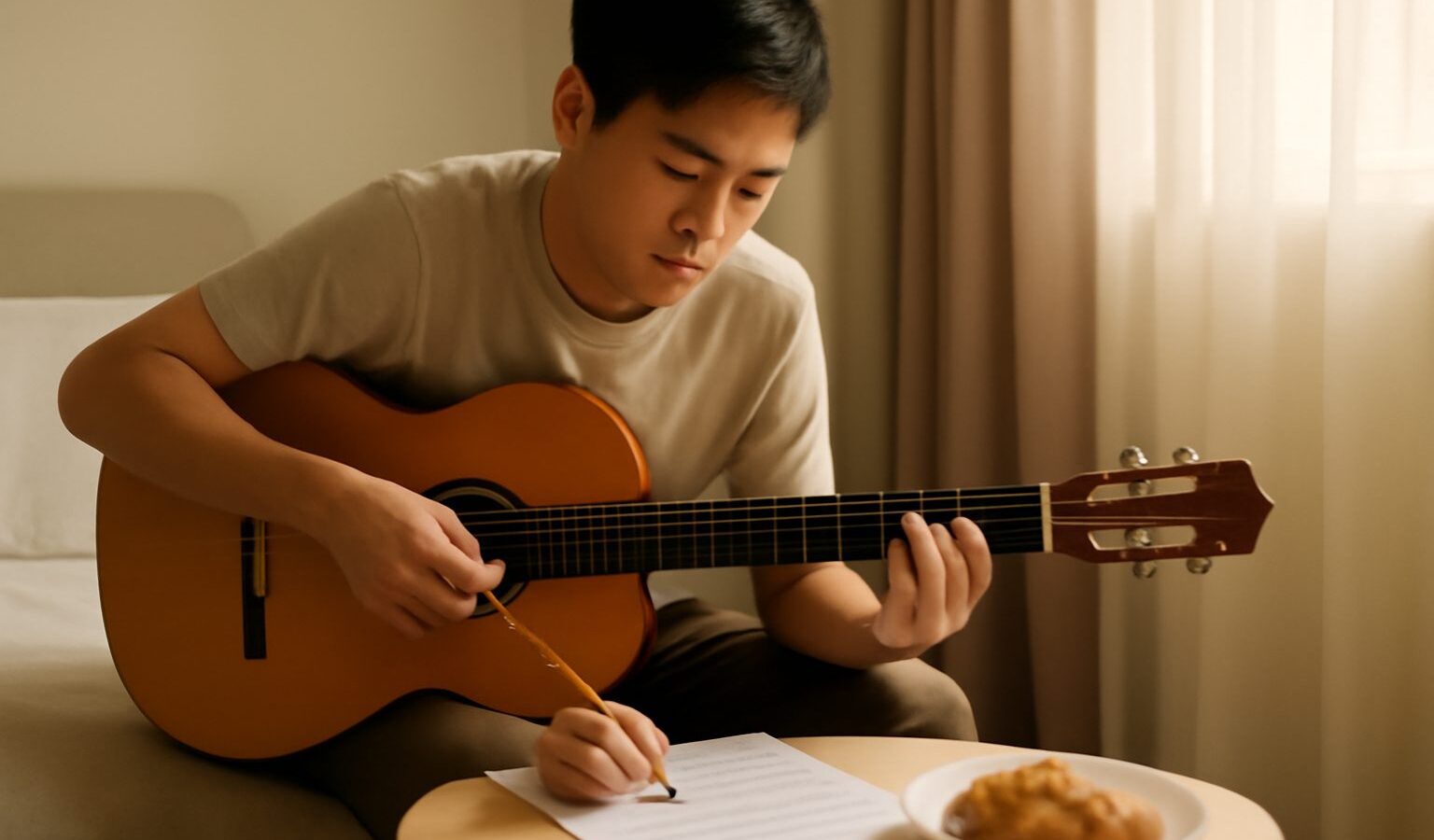
Auditions can feel like a lot of pressure packed into a few short minutes, but they do not have to be frightening. Whether you are trying out for a school ensemble, a community choir, a youth orchestra, a band, or a course place, good preparation is what turns a nerve-wracking event into something you can walk into with quiet confidence. If you are getting ready for a music audition Singapore-based or anywhere else, the same simple principles apply: pick the right material, prepare it properly, and look after yourself on the day.
This guide walks you through the whole process in a supportive, practical way. There is no secret trick and no shortcut, just steady habits that add up. Give yourself enough runway, be honest about where you are, and treat the audition as a chance to share something you have worked on rather than a test you might fail.
Understand What You Are Auditioning For
Before you play a single note, find out exactly what the panel is looking for. Requirements vary enormously between a school co-curricular activity, a church music team, a conservatory entrance, and an amateur orchestra. Read the notice carefully and, if anything is unclear, ask politely. It is far better to send a short message than to turn up having prepared the wrong thing.
Try to pin down the practical details early:
- How long is the audition, and how many pieces should you prepare?
- Are set pieces required, or can you choose your own?
- Will there be sight-reading, scales, aural tests, or an interview?
- Is there an accompanist, or should you bring backing tracks or play unaccompanied?
- What should you wear, and where and when should you arrive?
Knowing these things removes guesswork and lets you focus your energy where it counts. If the audition includes theory or aural components, brush up gently rather than cramming. Working through basic music theory and doing a little ear training over several weeks is far more effective than a panicked evening the night before.
Choose Repertoire That Shows You Honestly
If you get to pick your own pieces, choose ones that show what you do well rather than the hardest thing you can just about scrape through. A cleanly played, musical piece that sits comfortably in your ability will nearly always impress more than an ambitious one riddled with slips. Panels want to hear control, tone, timing, and expression, not just fast notes.
Aim for contrast where you can. A slower, lyrical piece next to something more rhythmic or energetic lets you demonstrate range. If singing, make sure the keys suit you; it helps to know how to find your vocal range so you are not straining at the top or growling at the bottom. Instrumentalists should double-check that transitions, page turns, and any repeats are comfortable.
Once you have chosen, learn the music thoroughly. That means more than being able to play it. Work on how to memorise music if the audition asks for it, and practise the tricky bars slowly and deliberately. Effective, focused sessions beat long unfocused ones, so it is worth reading up on how to practise music effectively and building a sensible routine in the weeks beforehand.
Rehearse the Whole Experience, Not Just the Notes
There is a big difference between playing a piece alone in your room and performing it in front of strangers. Close that gap by rehearsing the experience itself. Play your pieces start to finish without stopping, even when you make a mistake, because recovering smoothly is a skill in its own right. Record yourself and listen back honestly.
Perform for family or friends, or ask a teacher for a mock audition. If you feel anxious in front of others, that is completely normal, and there are gentle strategies for it. A read through of tips on overcoming stage fright can help you reframe the jitters as ordinary energy rather than a sign something is wrong.
Practise the small logistics too: walking in, greeting the panel, saying what you will play, and settling before you start. These tiny rituals steady the mind. If you will be using accompaniment, rehearse with it in advance so nothing feels unfamiliar.
Look After Your Body and Your Ears
Auditions ask something of your body, so treat it kindly. Warm up properly beforehand rather than launching in cold. Singers should ease the voice in gently and stay hydrated, and anyone who plays should loosen up hands, arms, and shoulders. Do not push through sharp pain or vocal discomfort; rest instead, and see a doctor, an ENT, or a physiotherapist if a problem lingers.
If your preparation involves loud rehearsals, amplified instruments, or long sessions with headphones, protect your hearing. Keep volumes sensible, take regular breaks, and consider earplugs in loud rooms, because loud or prolonged exposure can cause permanent hearing damage. Your ears are your most important tool as a musician, so guard them.
In the final days, prioritise sleep, eat normally, and avoid last-minute changes to your pieces. Cramming new material rarely helps and often shakes your confidence.
On the Day: Stay Calm and Be Yourself
Arrive early so you are not rushing. Give yourself time to breathe, find the room, and warm up quietly. A few slow breaths before you begin will settle your heart rate more than any pep talk.
When you play or sing, focus on the music rather than on the panel’s faces. If you slip, keep going; recovering gracefully shows maturity. Panels are usually kind people who want you to do well, not to catch you out.
Afterwards, whatever the result, notice what went well and what you would like to improve. Every audition is useful practice for the next one, and the more you do, the more ordinary they feel. Preparation, honesty, and a bit of self-kindness will carry you a long way. Good luck, and enjoy the chance to share your music.