
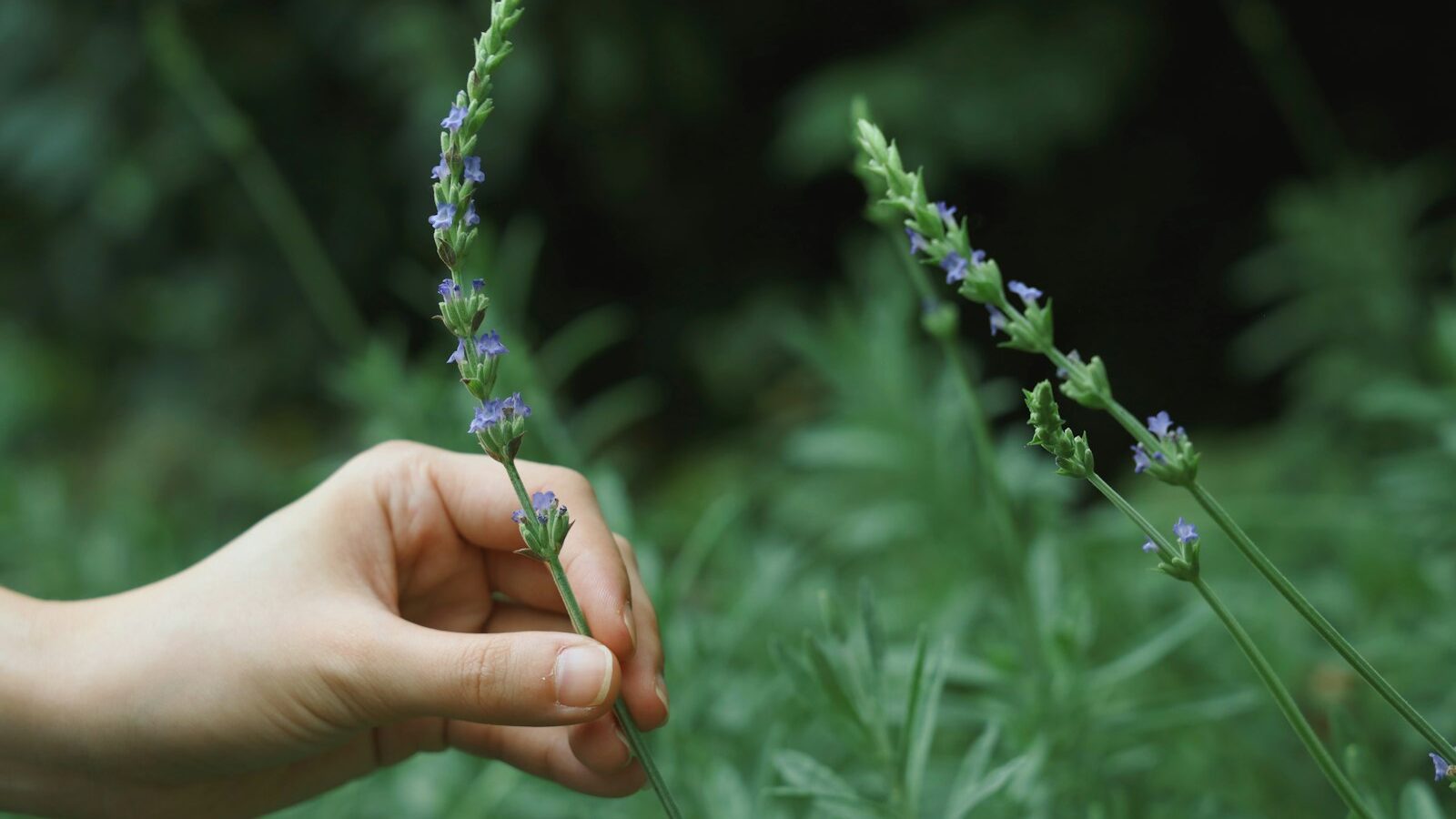
When your basil, mint, rosemary, or curry leaf plant is going great guns, you often end up with far more than you can use fresh, and that is where preserving comes in. Drying herbs in Singapore takes a little more thought than in a cool, dry country, because our constant humidity works against you, but with the right approach you can capture that homegrown flavour and keep it for months. Preserving your harvest also means nothing goes to waste, and you always have a jar of your own herbs on hand for cooking.
This guide covers when to harvest for preserving, the drying methods that actually work in our climate, freezing as an alternative, and how to store your herbs so they stay good.
Harvesting Herbs for Preserving
Good preserving starts with good harvesting. Pick herbs in the morning after any dew has dried but before the heat of the day, when their aromatic oils are at their strongest. Choose healthy, unblemished leaves and stems, and give them a rinse in clean water if they are dusty, then pat or spin them thoroughly dry, because any surface moisture makes drying slower and mould more likely.
Harvesting for preserving is also good for the plant, as a decent cut encourages fresh bushy growth. Our guide on how to harvest herbs and vegetables explains where to cut so plants bounce back, and if you grow the local favourites, how to grow pandan and local herbs is a useful companion read.
It helps to know your herb type. Sturdy, low-moisture herbs such as rosemary, thyme, oregano, and curry leaf dry beautifully. Tender, high-moisture herbs such as basil, mint, coriander, and Thai basil are trickier to air-dry in our humidity and often preserve better by freezing, which we cover below.
Drying Methods That Work in Our Humidity
The enemy of air-drying here is moisture in the air, so the goal is to dry herbs quickly and completely before they can go mouldy.
Air-drying is the classic method and works best for the sturdy, low-moisture herbs. Gather a few stems into a small, loose bunch, tie the ends, and hang them upside down somewhere warm, airy, and out of direct sun. Airflow is everything, so choose a breezy spot rather than a stuffy cupboard, and keep bunches small so air moves through them. Slipping a paper bag with holes over the bunch keeps dust off and catches any dropping leaves. In our climate this can take longer than the week or two you might read about in temperate guides, so be patient and check regularly for any sign of mould, discarding anything that looks or smells off.
For faster, more reliable results, an oven on its lowest setting or a dedicated food dehydrator is genuinely worth it here, because it takes our unpredictable humidity out of the equation. Spread leaves in a single layer and dry on low heat until they are crisp and crumble easily. Keep an eye on them so they do not scorch, and make sure the space is ventilated.
However you dry them, the test is the same: herbs must be completely, cracker-dry before storage. Leaves should crumble rather than bend. Any lingering moisture will cause mould in the jar, so if in doubt, dry them a little longer.
Freezing as an Alternative
For tender herbs like basil, coriander, and mint, freezing often preserves flavour and colour far better than air-drying in our climate. The simplest method is to chop the clean, dry herbs, pack them into an ice cube tray, top up with a little water or oil, and freeze. Once solid, pop the cubes into a labelled container and drop one straight into your cooking as needed. You can also freeze whole leaves flat in a bag. Frozen herbs go soft when thawed, so they are best for cooked dishes rather than garnish.
Storing Your Preserved Herbs
This is the step that makes or breaks your effort, and the rule to remember is clean, dry, and airtight. Once your dried herbs are completely cool and crisp, store them in clean, thoroughly dry, airtight jars or containers. Any trapped moisture, or a damp jar, will spoil the lot, so make sure containers are bone dry before filling.
Keep the jars somewhere cool and dark, away from the heat and light of a sunny windowsill or the stove, both of which fade colour and flavour. Many cooks keep leaves whole and only crush them when needed, since whole leaves hold their aroma longer. Do label and date each jar; our guide on how to label and track your plants has simple labelling ideas that work just as well in the kitchen.
Check your jars now and then. If you ever see condensation on the inside of the glass, or any hint of mould or a musty smell, the herbs were not fully dry, and the safe course is to throw that batch out. Well-dried, well-stored herbs keep their flavour for many months.
Enjoy Your Harvest All Year
Preserving turns a glut into a year-round supply, and there is real satisfaction in seasoning a dish with herbs you grew and dried yourself. The key in our climate is simple: harvest clean and dry, dry herbs quickly and completely, freeze the tender ones, and store everything clean, dry, and airtight. Do that, and your homegrown flavour will keep long after the plants have moved on to their next flush of growth.