
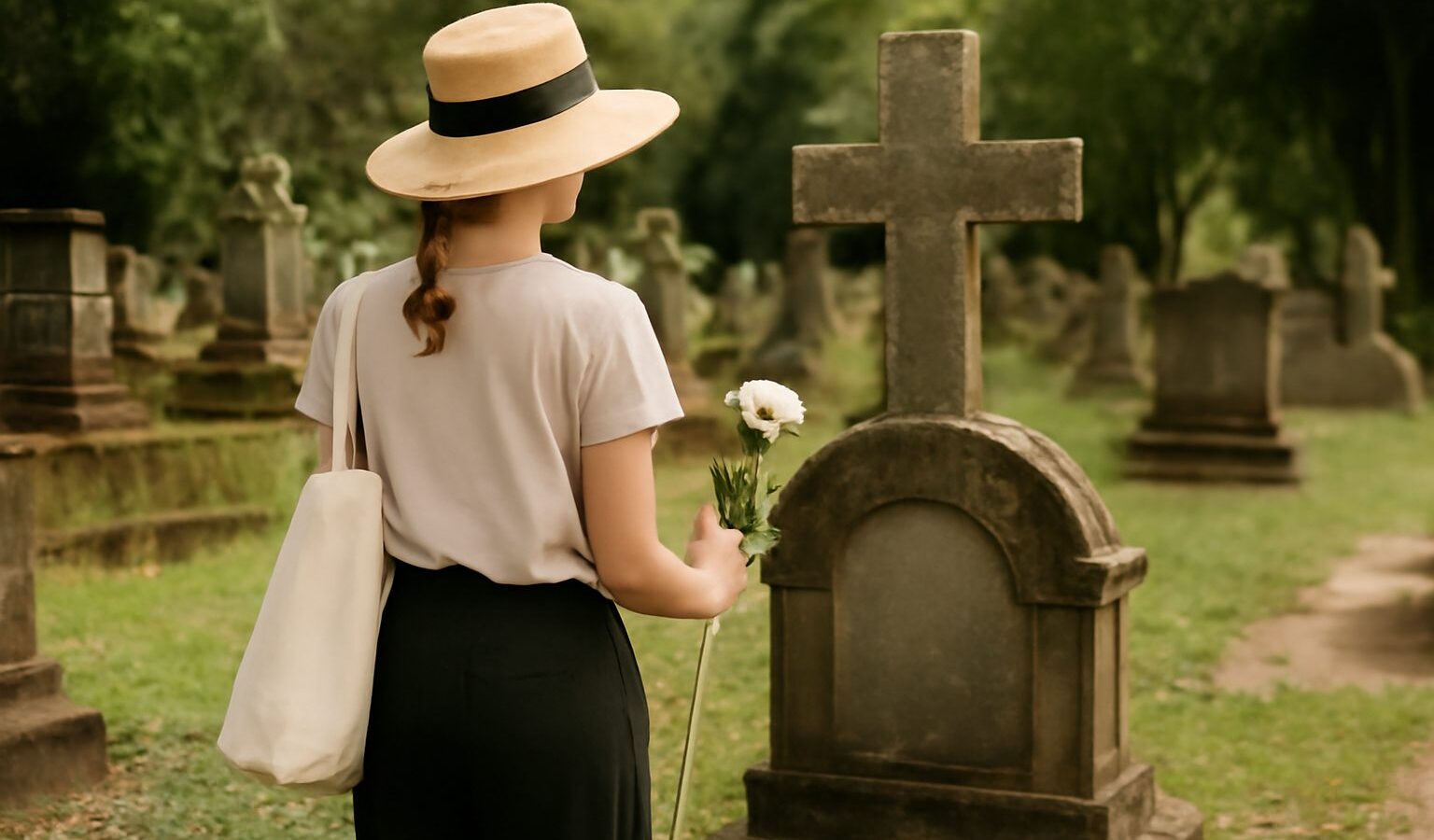
Singapore cemeteries are some of the quietest green spaces on the island, and they hold a remarkable record of the people who built the country. Families visit to tend graves and remember loved ones. History lovers, birdwatchers and photographers come for the old tombs, carvings and trees. Newcomers sometimes wander in simply because a cemetery sits next to a park connector.
All of these visits are welcome, but a cemetery is first and foremost a place of remembrance. This guide sets out practical etiquette and cultural context so you can visit with confidence, whether you are paying respects to family or exploring heritage on a weekend walk.

Why Etiquette Varies Between Cemeteries
Singapore is multi-religious, and its burial grounds reflect that. Some cemeteries are run by the government, others were historically set up by clan associations, religious bodies or communities. Within a single large site there may be separate sections for different faiths, each with its own customs.
Customs also vary within each community and from family to family. What follows describes commonly seen practices, not fixed rules. When in doubt, watch what others around you are doing, keep your voice low, and follow any posted signs.
It also helps to know that burial in Singapore has changed over the decades. Land is scarce, so many people today choose cremation, and many older cemeteries have been cleared over the years for development. Current burial and exhumation policies are set by the National Environment Agency (NEA), so check its website for up-to-date information rather than relying on older accounts.
Customs You May See in Different Sections
Understanding a little of what you see makes a visit more meaningful and helps you avoid awkward mistakes.
- Chinese graves. Many older Chinese tombs face a chosen direction and carry carvings, guardian figures and inscriptions listing descendants. During Qing Ming, the festival in early spring for honouring ancestors, families clean graves, offer food, light joss sticks and burn paper offerings. Avoid stepping over offerings or moving them.
- Muslim graves. Graves are usually simple, often marked with headstones called nisan, and face the qiblat, the direction of Mecca. Visitors commonly recite prayers quietly. Dress modestly and keep a calm, quiet manner.
- Christian and Catholic graves. Headstones often carry crosses, verses and photographs. Families may lay flowers or light candles, especially around anniversaries and All Souls’ Day.
- Hindu memorials. Many Hindu families cremate, so you will see fewer Hindu graves, but where they exist, families may visit on remembrance days with flowers, lamps or food. Customs differ widely between families.
- Other communities. Smaller sections for Jewish, Parsi, Bahá’í and other faiths exist in some cemeteries, each with its own traditions. Follow signs and observe quietly.
Do’s and Don’ts at a Glance
The table below summarises the most useful etiquette points for any visit.
| Situation | Do | Avoid |
|---|---|---|
| Walking among graves | Use paths and gaps between plots | Stepping, sitting or standing on graves or kerbs |
| Families paying respects nearby | Give space, lower your voice, wait or take another route | Walking through a family’s gathering or staring |
| Offerings, flowers and joss sticks | Leave them exactly as you found them | Touching, moving, tasting or taking anything |
| Taking photos | Photograph scenery and carvings discreetly | Photographing mourners, funerals or rites without permission |
| Clothing | Modest, comfortable clothes and covered shoes | Beachwear, loud slogans or costume-style outfits |
| Pets and noise | Keep pets leashed if allowed and phones on silent | Music, drones, games or loud phone calls |
Visiting a Family Grave
For families, a cemetery visit can be emotional, practical and social all at once. A few tips help it go smoothly.
Before You Go
- Check access rules and busy periods. Qing Ming weeks are very crowded at some cemeteries and columbaria, and traffic and parking arrangements may change. Check announcements from NEA or the relevant cemetery operator.
- Bring what the family usually uses. This might be cleaning cloths, a small brush, water, flowers, offerings or prayer items.
- Note the plot or niche number. Large cemeteries are confusing, and many plots look alike. Keep a photo of the location record on your phone.
At the Grave
- Clean gently. Old inscriptions and paint can be fragile. Use water and a soft brush rather than strong chemicals.
- Manage fire safely. If your family burns offerings, use the designated burners where provided, never leave flames unattended and follow any rules on open burning.
- Take your rubbish home. Food left behind attracts pests and monkeys in some areas.
Bringing Children
Visits are a good way to pass on family history. Explain in simple words what you are doing and why, and let children help with small tasks like placing flowers. If a child finds the setting upsetting, a short visit is fine.
Exploring Heritage Cemeteries as a Visitor
Older cemeteries draw history walkers because of their tombs, inscriptions and mature trees. For the history of specific sites, our guide to Bukit Brown and heritage cemeteries goes deeper. Here are etiquette points that apply wherever you explore.
- Join a guided walk if you can. Volunteer and heritage groups sometimes run walks that explain symbolism and family stories. Check heritage society websites and the National Heritage Board for current listings.
- Read, do not rub. Avoid making rubbings of inscriptions or scraping off moss, which can damage old stone.
- Remember these are real families. Descendants may still visit graves that look abandoned. Treat every grave as cared for.
- Photograph thoughtfully. Our guide to photographing Singapore festivals respectfully shares principles that translate well here: ask before photographing people and never interrupt a ritual for a shot.
Staying Safe in Singapore Cemeteries
Cemeteries are generally calm, but they are also large, open and sometimes overgrown. Plan as you would for a nature walk.
- Beat the heat. Go early in the morning or later in the afternoon, wear a hat and carry plenty of water. Shade can be scarce.
- Watch your footing. Older areas can have uneven ground, broken kerbs, roots and slippery moss after rain.
- Respect wildlife. You may see monkeys, snakes, birds and insects. Keep your distance, do not feed animals and keep food out of sight.
- Protect against mosquitoes. Use repellent and wear long, light clothing.
- Tell someone your plans. In quieter or overgrown areas, go with a friend and keep your phone charged.
- Check weather alerts. Avoid open areas during thunderstorms.
A Note for Newcomers
If you have moved from a place where cemeteries are rarely visited except for funerals, it may surprise you how openly Singaporeans walk, jog or birdwatch near some burial grounds. Equally, some locals feel cemeteries should be avoided outside family visits, especially during the Hungry Ghost Festival in the seventh lunar month. Both views are common and worth respecting. If you visit with local friends, follow their lead.
Visited with care, Singapore cemeteries offer a quiet, moving way to understand the island’s many communities and the families who shaped it.
Further reading: Former Cemeteries in Singapore and What Stands There Now