
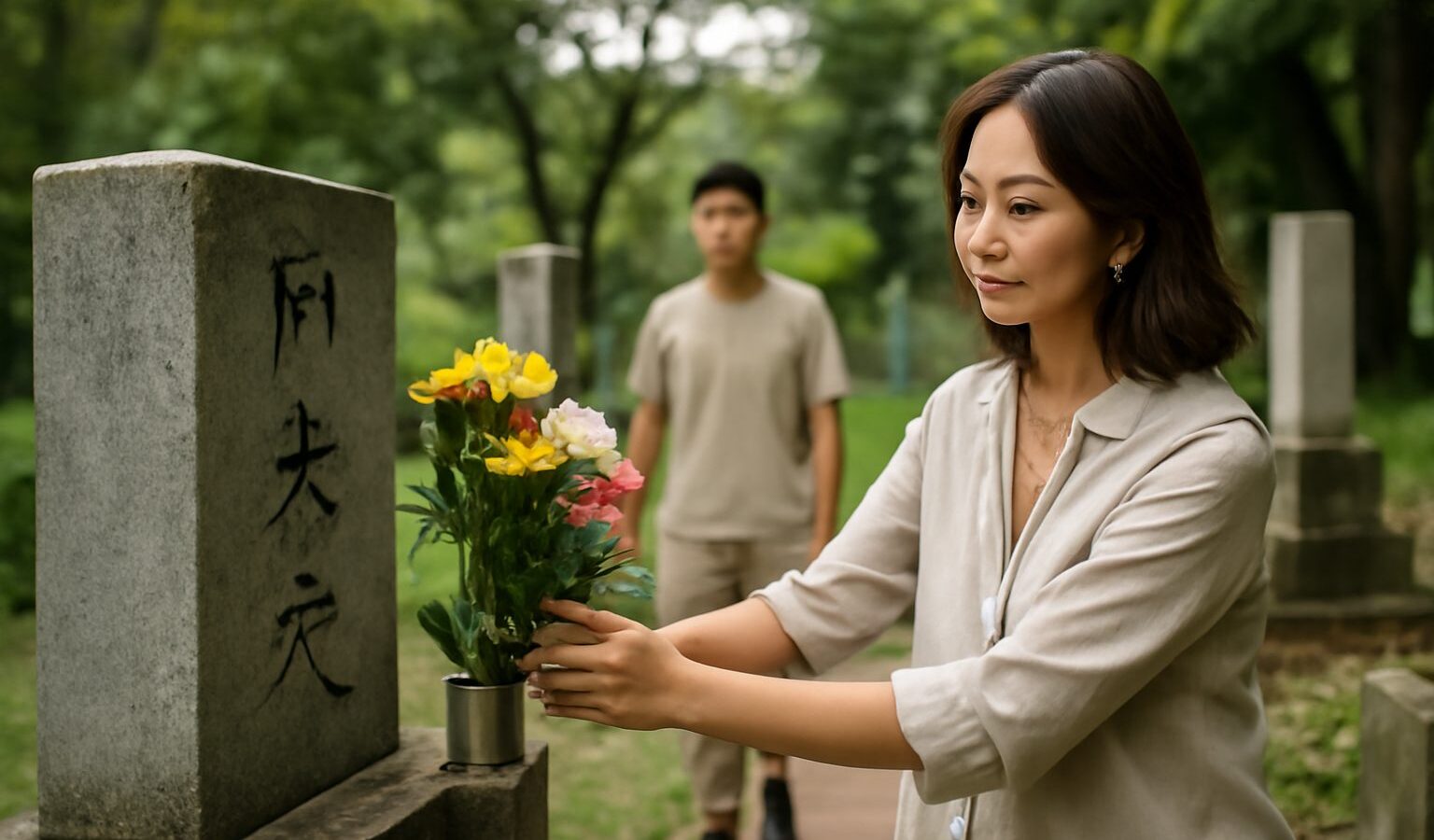
The Japanese community in Singapore has a history stretching back well over a century, marked by migration, enterprise, and the building of a distinct community life. At the heart of its heritage stands the Japanese Cemetery Park, a serene and beautifully kept green space that serves as a place of remembrance and a window into the community’s long presence on the island. The japanese community singapore story is one that deserves to be understood in its fullness, with respect for its history and care for the memory of those who came before.
Migration History and Origins
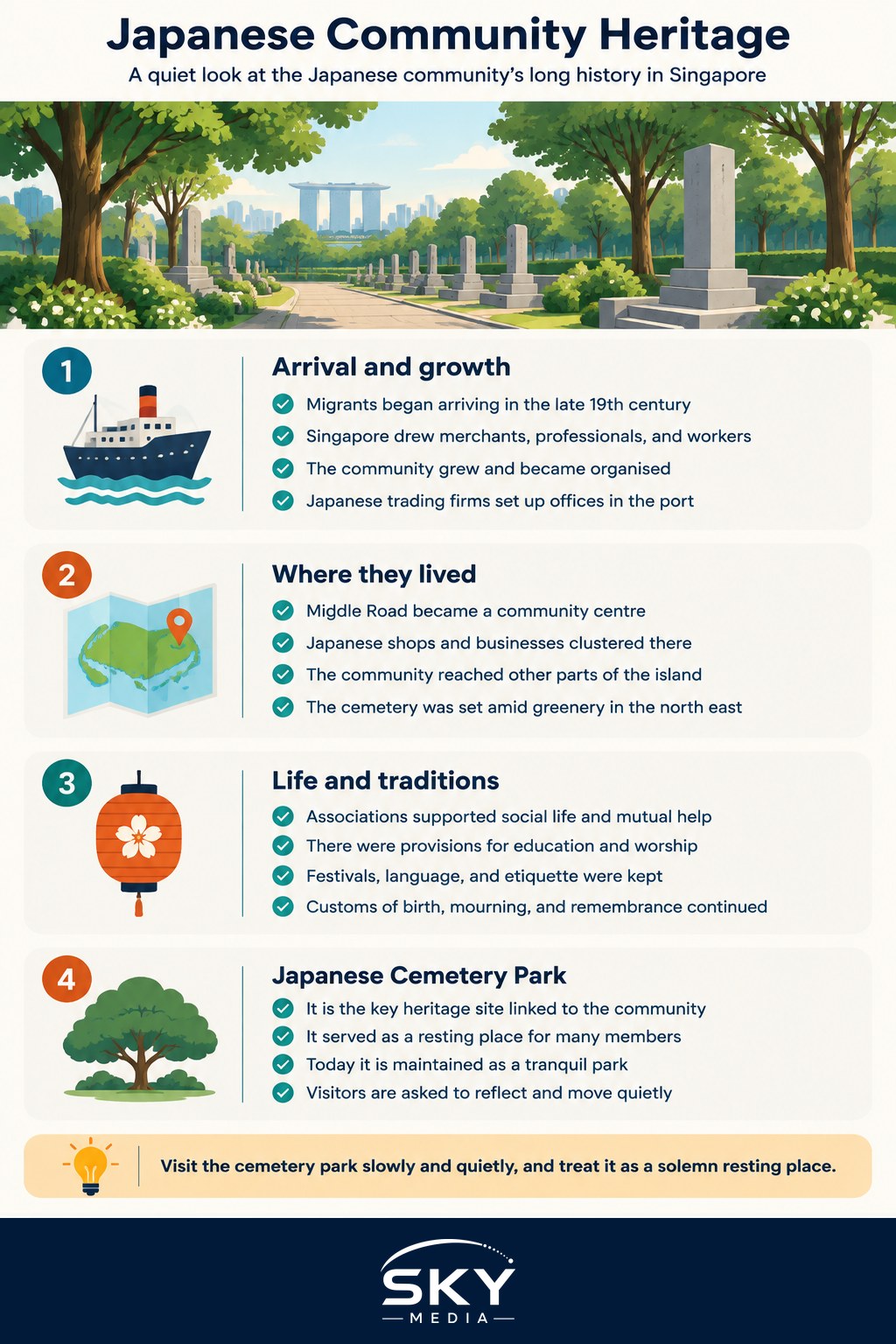
Japanese migrants began arriving in Singapore in the later nineteenth century, part of a broader movement of Japanese people who ventured overseas in that era. The early community was varied, and it grew steadily as Japan opened to the wider world and its people sought opportunities abroad. Singapore, as a thriving free port and a crossroads of trade, drew merchants, professionals, and workers of many kinds.
Over the following decades the community expanded and diversified. Japanese trading firms established offices in the port, and a range of businesses and services grew up to serve both the community and the wider public. By the early twentieth century the Japanese had become a settled and organised community, with their own institutions, associations, and gathering places. Their presence reflected the growing connections between Japan and Southeast Asia during that period.
Where They Settled
The Japanese community established itself in several parts of the town, with a notable concentration in the area around Middle Road and the surrounding streets in the central district. This quarter became closely associated with Japanese shops, businesses, and community life, so much so that it was long remembered as a centre of the community. Here Japanese residents ran a variety of enterprises and maintained the social and cultural institutions that bound the community together.
Beyond this commercial heart, the community’s presence extended to other parts of the island, including the area to the north east where the Japanese Cemetery was established. The cemetery, set amid greenery, was created to serve the community and became one of the most important and enduring sites associated with the Japanese in Singapore.
Religious and Cultural Life
The Japanese community sustained its own cultural and religious traditions, reflecting the customs of the homeland. Community associations organised social life, festivals, and mutual support, and provision was made for education, worship, and the care of the community’s dead according to Japanese custom. These institutions gave the community cohesion and allowed its members to maintain their identity while living far from Japan.
Cultural life blended the traditions of Japan with the realities of life in a diverse tropical port. The community observed its festivals and customs, maintained its language and etiquette, and cared for its members from birth through to the rites of mourning and remembrance. The Japanese Cemetery, in particular, reflects this care, laid out as a place of dignity and calm where the departed could rest and be honoured.
The Japanese Cemetery Park
The Japanese Cemetery Park is the most significant heritage site associated with the community. Established to serve the Japanese population, it became the resting place of many community members over the years, and it is regarded as one of the larger Japanese cemeteries of its kind in the region. Today it is maintained as a tranquil and dignified park, its rows of memorials set among trees and greenery, and it is open as a place of quiet reflection.
Walking through the park, visitors encounter the memorials of ordinary community members, merchants, and others who lived and died in Singapore across the generations. It is a place that rewards a slow and respectful visit, and it stands as a moving testament to the long presence of the Japanese community on the island. Those who go should treat it as the solemn resting place it is, moving quietly and honouring the memory of those buried there.
The Wartime Period, Treated Soberly
Any honest account of the community’s history must acknowledge the years of the Second World War and the Japanese Occupation of Singapore, a period of great suffering for the people of the island. This was a wartime chapter driven by the actions of a military regime, and it should be remembered factually and soberly, with compassion for all who suffered and died. Readers seeking that history in its own right may consult our dedicated features on Singapore in the Second World War and on Singapore in WWII.
It is important not to conflate that wartime history with the peaceful, settled Japanese community of migrants, families, and businesspeople whose longer story this article tells, nor with present-day Japanese residents and Singaporeans of Japanese heritage. Honouring the victims of the war and understanding the community’s broader history are both part of remembering the past truthfully and with care.
Heritage Today
Today Singapore and Japan enjoy warm and productive ties, and a vibrant contemporary Japanese community lives and works on the island, contributing to business, education, and cultural exchange. The Japanese Cemetery Park remains lovingly maintained, a green and peaceful place that preserves the memory of the community’s long history and offers visitors a space for reflection.
To learn about the Japanese community is to appreciate another of the many threads that make up the fabric of Singapore, described more broadly in our overview of Singapore’s multiracial society. Approached with respect and care, the community’s heritage, and above all the tranquil Cemetery Park, offers a thoughtful and enriching encounter with the past.
Frequently Asked Questions
Can anyone visit the Japanese Cemetery Park? It is open as a place of quiet reflection, maintained as a tranquil park with rows of memorials among trees. Treat it as a solemn resting place, moving quietly and honouring those buried there. Check official sources for current opening arrangements.
Where did the early Japanese community live and work? There was a notable concentration around Middle Road and surrounding central streets, associated with Japanese shops, businesses and community life. The community also extended to other parts of the island, including the north-east where the cemetery was established.
What kinds of people are buried in the cemetery? Visitors encounter memorials of ordinary community members, merchants and others who lived and died in Singapore across the generations. It is regarded as one of the larger Japanese cemeteries of its kind in the region.
How should I understand the war years in the community’s history? The wartime Occupation was a period of great suffering driven by a military regime, and should be remembered factually and soberly. It should not be conflated with the peaceful settled community of migrants or with present-day Japanese residents.
What is the Japanese community in Singapore like today? A vibrant contemporary community lives and works on the island, contributing to business, education and cultural exchange, and Singapore and Japan enjoy warm and productive ties.
Further reading: The Great World, New World and Gay World Parks · Moving to Singapore From Japan