
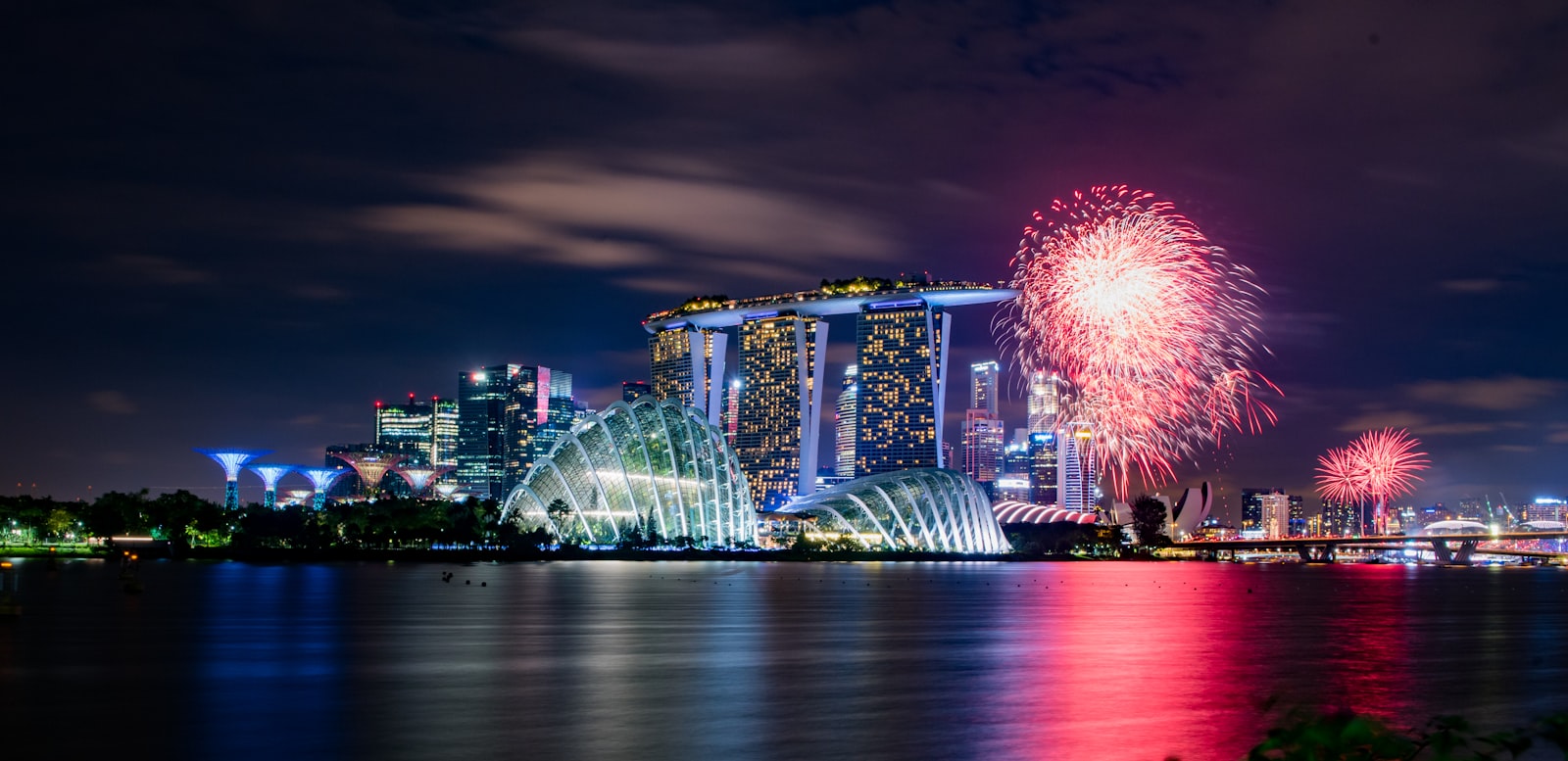
Singapore’s festivals are a gift for photographers. The colour of Deepavali, the devotion of Thaipusam, the warmth of Hari Raya, the energy of Chinese New Year and the calm of Vesak all offer scenes rich with light, emotion and culture. But festival photography carries a responsibility that ordinary shooting does not. These are living acts of faith and community, not staged spectacles for your camera. The single most important principle in this guide is simple: approach every festival as a considerate guest, not a spectator hunting trophies. Do that, and you will make images that are both better and kinder, on a phone or a camera.
The Guest Mindset Comes First
Before you think about settings, think about your role. You are a visitor to someone else’s sacred or celebratory moment. A guest observes the mood of a room, follows the household’s rules and never makes themselves the centre of attention. Bring that same attitude to a temple, mosque, church or family gathering.
This mindset changes how you move. You wait rather than push. You lower your camera during the most solemn moments. You accept that some scenes are not yours to take, and that a beautiful photograph is never worth disrupting a prayer or making someone feel watched. When people sense you are respectful, they relax, and paradoxically that is when the most honest, moving images appear. Rushing in with a long lens to grab a face in worship does the opposite. It treats a person as a subject rather than a human being.
Dress and Behave Respectfully at Places of Worship
Many festivals centre on places of worship, each with its own expectations. Honouring them is basic courtesy.
- Dress modestly. Cover your shoulders and knees. Some venues expect you to remove your shoes, and some provide a shawl to cover up. Follow what worshippers do.
- Keep quiet and unhurried. Silence your phone, avoid loud chatter, and never climb on furniture or sacred structures for a better angle.
- Follow the site’s rules on photography. Some temples and mosques restrict photos in certain areas, ban flash, or ask that you do not photograph the main deity, an altar or a service. Look for signs and ask an attendant if unsure.
- Do not use flash near prayer. A sudden burst of light is intrusive and disrespectful during worship, and it flattens the atmospheric light you came for anyway.
- Never block or interrupt. Do not step into processions, stand where devotees need to pass, or position yourself between worshippers and what they are facing.
At Thaipusam, for example, devotees carry kavadi in a demanding act of faith along a set route. Your job is to stay out of their path, keep pace respectfully from the side and let the moment belong to them.
Ask Before You Photograph People
The heart of respectful festival photography is consent. A festival is full of faces, but a face at prayer or in private emotion is not public property.
Ask permission before photographing identifiable people up close, especially anyone in an act of worship. A smile, a gesture towards your camera and a nod exchanged is often all it takes, and most people respond warmly when approached kindly. If someone declines, thank them and move on without argument. Be especially careful with children: seek a parent or guardian’s agreement first, and never photograph a child in a way that could cause discomfort. If anyone asks you to delete an image, do so willingly.
For candid shots that capture a crowd’s atmosphere rather than one individual, be thoughtful about context. Wide scenes of a decorated street, hands preparing food or the glow of oil lamps tell the story without singling anyone out. When you do want a portrait, the respectful route almost always produces the better frame, because a person who has agreed will give you a real expression rather than a startled glance.
Respectful Versus Intrusive: Know the Difference
It helps to picture the contrast plainly. Here is how a considerate guest behaves compared with an intrusive photographer.
| Situation | Respectful guest | Intrusive photographer |
|---|---|---|
| Someone at prayer | Waits, shoots from a distance if allowed, or not at all | Pushes a lens into their face |
| Dress code | Covers up, removes shoes as asked | Ignores signs and attendants |
| A person declines | Thanks them and moves on | Argues or shoots anyway |
| A procession | Keeps to the side, stays clear of the route | Steps into the path for an angle |
| Sharing later | Adds honest, respectful context | Mocks or exoticises the scene |
Keep the left-hand column in mind and you will rarely go wrong. When in doubt, choose the more cautious, courteous option.
Practical Tips for Better, Kinder Images
Once your conduct is right, a few techniques help you capture the day well without getting in anyone’s way.
- Use a longer lens for reach, not for sneaking. A modest zoom lets you frame details from a respectful distance rather than crowding people, but it is not a licence to photograph private moments you would not ask about in person.
- Shoot the details. Rangoli patterns, lanterns, garlands, festive food, decorated shopfronts in Little India, Geylang Serai or Chinatown, and hands at work all convey the festival beautifully and raise no consent concerns.
- Work with the light. Evening festivals glow with lamps and lanterns, so steady yourself, keep your sensitivity reasonable to avoid grain, and embrace the warm colours rather than correcting them away.
- Mind the heat and crowds. Carry water, protect your gear from sudden downpours, and stay aware of the people around you in a packed space.
- Be honest when you share. Caption images truthfully and with respect for the culture. Do not present a sacred ritual as a mere curiosity, and credit or seek agreement where appropriate.
Festival photography at its best is an act of appreciation. When you treat a celebration as a guest, follow each venue’s rules, ask before you point your camera at a person and never disrupt the worship or ceremony unfolding in front of you, you come away with more than photographs. You come away having honoured a community that let you share its day.
Explore more: apply the same care with our travel photography tips for people and places, sharpen your candid technique alongside lens filters for glare and reflections, and read how to price your photography services if you are ever hired to cover an event.